Special Considerations for Moving a Laboratory Facility in Atlanta
With Atlanta’s booming life-science market and record rates of industry investment, local laboratory facilities are in high demand. Georgia already ranks in the top 15 states for its large population of life-science graduates, and the local life-science workforce will grow by seven percent over the next decade, according to projections by Georgia Power. The demand for lab space in Atlanta is so high that landlords have started to transform office buildings into laboratory facilities in a rush to expand the sector, reported the Atlanta Business Chronicle. For the many institutions moving their labs to the Atlanta metro, finding an expert relocation partner, especially with the Atlanta Northside Hospital Expansion plan underway, is crucial to maintaining the health and integrity of your research. Avoid future obstacles in the moving process by planning for these special considerations and local regulations. Sensitive Equipment Laboratories often have fragile or sensitive equipment that requires complex...

Tips for Planning a Data Center Relocation
Data center relocations and migrations are becoming valuable rites of passage for companies embracing remote-working models and improving their online offerings. Dallas is one of the leading beneficiaries of this increased attention on digital infrastructure. The Dallas Business Journal reported that the metro’s data center market experienced the third-most leasing activity in North America in 2020. Dallas’ central location is ideal for data centers, and Texas’ independent power grid often prevents regional markets from being affected by national power outages. Rich fiber, telecommunication and power infrastructure also boost the competitiveness of the Dallas data center market, making it a hot spot for national service providers and developers. If you’re considering moving your data center to or within the Dallas area, here are six tips for minimizing disruptions and ensuring success. Choose between migration and relocation. A data center relocation involves packing up and moving your infrastructure to a new location,...

Why Atlanta Is on Track for Tremendous Growth in 2022
If you have been thinking about moving your business to the Atlanta area, the time is now. Inc. Magazine reported that Georgia boasts almost 40 of the fastest-growing, privately-owned companies in the country, with many headquartered in the heart of Atlanta. From 2018 to 2020, this diverse mix of Atlanta employers created more than 19,000 new jobs and experienced a 181-percent median growth rate. The University of Georgia forecasts that the Peach State’s economy will expand 4.3 percent in 2022, compared with a national average of 4.0 percent. Over the next year, experts also predict that the state will add nearly 144,000 jobs, which would surpass the number of Georgians employed before the COVID-19 pandemic. So, what’s causing this enormous growth? Sizzling Startups Atlanta is leading innovation across a broad range of industries throughout the technology sector. The city is quickly developing a reputation as one of the fastest-growing epicenters for...

Why Employers Should Rethink Their Corporate Relocation Policies
Employees and employers across the country are currently in a standoff. As COVID-19 case counts continue to drop, more companies are bringing employees back to the office full time. However, research is emerging that an increasing number of Americans have hesitations about returning to pre-pandemic working arrangements. With today’s tough hiring market, robust relocation packages are indispensable to the long-term satisfaction of your employees. By restructuring their moving benefits, Human Resources managers can entice job-seekers to move to in-person office locations and ensure a seamless transition from remote to office work. Here are four of the latest trends impacting corporate relocations: 1. Millions of employees are switching jobs every month. Data from the Bureau of Labor Statistics showed that a record-breaking 4.5 million Americans voluntarily left their jobs last November in what experts are calling “The Great Resignation.” As a result, hiring managers face stiff competition when recruiting talent. According...

How Reliable Movers Can Simplify Your Life
How Reliable Movers Can Simplify Your Life No matter what kind of move you’re in the midst of, be it commercial or residential, local or long distance, you’re likely dealing with a lot of stress. Moving can be difficult and chaotic. It requires hours of mental labor (planning, organizing, making sure everything goes off without a hitch) and hours of physical labor (packing everything up, moving it into trucks, and eventually unpacking). All in all, orchestrating a move all on your own is exhausting. Fortunately, there’s one surefire way to make your move a breeze — hire a reliable moving company! At The Armstrong Company – Jackson, we offer a variety of moving and storage services that are guaranteed to streamline your moving process and by extension, simplify your life. One thing moving companies like Armstrong – Jackson provide that can make a world of difference to a mover is...

Returning to Work: Office Trends for a Healthier, Happier Workforce
Companies are learning that returning to the office isn’t as simple as re-opening their doors. For maximum employee engagement, offices need to be places that make people eager to return. A McKinsey study found that over 50 percent of employees want to continue working from home for three or more days a week, and 30 percent of employees would switch jobs if forced to return to fully on-site work. These trends highlight a significant shift in workplace priorities, and most companies have already begun reconfiguring their offices to adapt to their team’s new needs. The right redesign can boost morale, improve productivity and protect against contagious viruses like the flu. Here are eight ways a business can restructure its office space for an optimal return to in-person work. Bring home to work. Organizational experts told NPR that in-person work would attract employees only if the office addresses their physical and...

Understanding FF&E: Meaning and impact on your business
What does FF&E stand for? Furniture, furnishings and equipment (FF&E) are far more than just décor — they’re valuable assets that can meaningfully impact a company’s bottom line. Whether building, refurbishing or renovating a space, understanding the intricacies of FF&E procurement, warehousing and installation ensures that your project stays on time and on budget. Here’s what you need to know about the FF&E process to make projects cost- and time-efficient. What Does FF&E include? F&E is a term most commonly used in the retail, hospitality, restaurant, and logistics industries to describe the additional assets that add value to a space and its interior design. To give a few examples, in a restaurant, FF&E items may include the tables, chairs, booths, and framed photos adorning the walls. In a hotel, everything from the couches to the coffee tables, to the throw pillows are considered FF&E. In a retail shop, the displays,...

Right-Sizing vs. Hoteling: Options for Maximizing Your Office Space
Companies are finally starting to reopen their in-person workplaces. However, those office spaces look a little different than they did pre-pandemic. Businesses are increasingly adopting hybrid models for employees who want the flexibility to choose between face-to-face and virtual work environments. The Microsoft 2021 Work Trend Index found that more than 70 percent of workers wanted remote options to continue, but more than 65 percent longed for more time in person with their teams. As a result of these differing work preferences, Microsoft found that most surveyed business leaders were considering complete redesigns of their offices. Two of the most common buzzwords right now for creating hybrid workplaces are “right-sizing” and “desk hoteling.” Both provide ways for future-looking businesses to maximize their spaces while accommodating diverse workforces. Option 1: Right-Sizing A company can right-size its office by taking a critical look at its footprint, repurposing assets and filling missing gaps...
How to Stay Efficient When Moving Warehouses
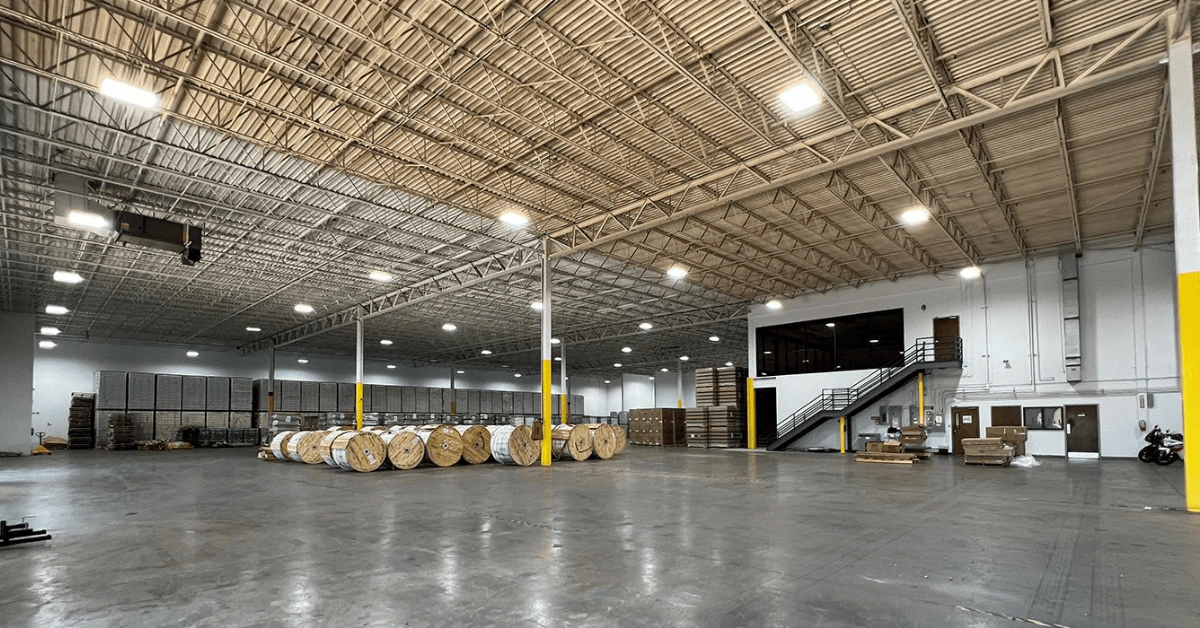
Relocating warehouses is no small undertaking. Warehouses are central hubs for business activities, ensuring that supply chains stay efficient and inventory moves quickly on and off the shelves. Moving to a new location can take months — or even years — of preparation, and insufficient planning can lead to wasted time, money and energy. Maximize the efficiency of your move and new space by considering these six factors. Port Accessibility Moving to a warehouse conveniently located near a port can help control drayage costs. When calculating the potential overhead costs of a new warehouse location, take the commute into consideration. A space far away from the nearest port may not be as cost-efficient as it initially appears if it results in steep transportation expenses in the long term. North Carolina offers two deep-water ports in Wilmington and Morehead City in addition to one inland port in Charlotte. The ports boast...
5 Common Uses for Commercial Storage
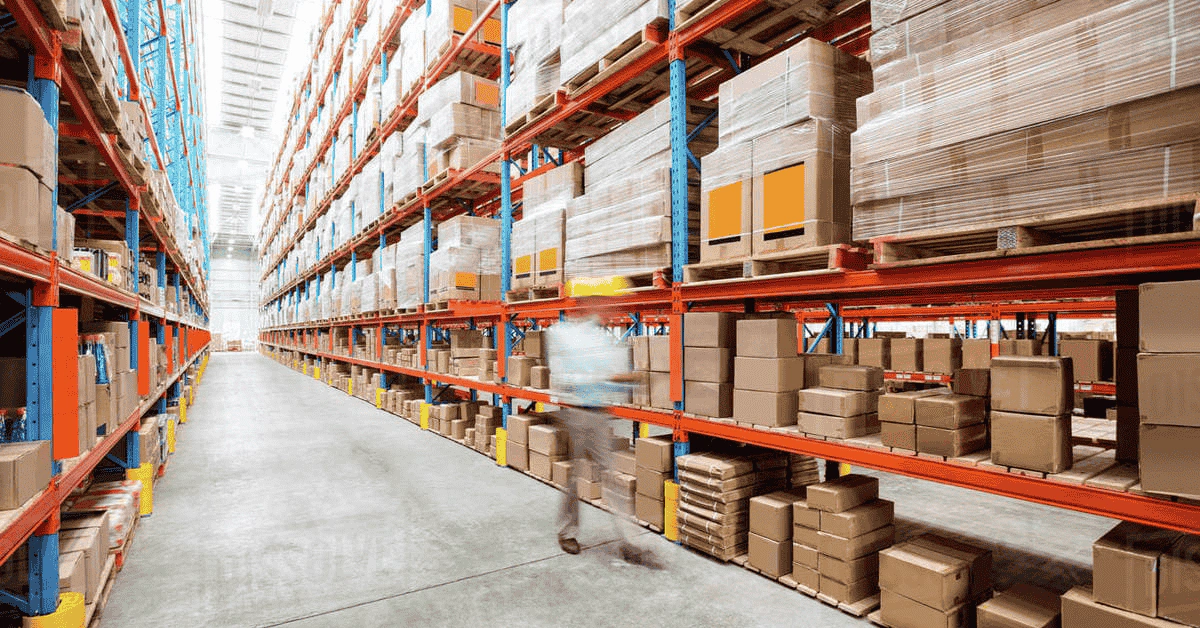
During the COVID-19 pandemic, commercial storage became instrumental to the short-term plans of companies in flux. As businesses adopted remote-friendly workplaces, commercial storage preserved companies’ office equipment, files and furniture. But many companies are not new to commercial-storage — storage solutions have already been foundational to their success for decades. Here are five ways that industries have historically leveraged commercial storage space to stay agile amid changing trends. Fulfilling nationwide e-commerce orders In many industries, e-commerce has replaced brick-and-mortar retail as consumers’ shopping avenue of choice. As a result, e-commerce businesses are snapping up vacant warehousing space to keep up with fulfillment. A recent report by The Business Research Company found that worldwide warehousing usage has accelerated because of a boom in e-commerce orders and an increasing demand for speedy deliveries. E-commerce giants not only rely on commercial storage for available inventory, they also depend on third-party logistics companies (3PLs)...
Interested in joining the Armstrong family ?