A 3PL’s Guide to the US Warehousing Shortage
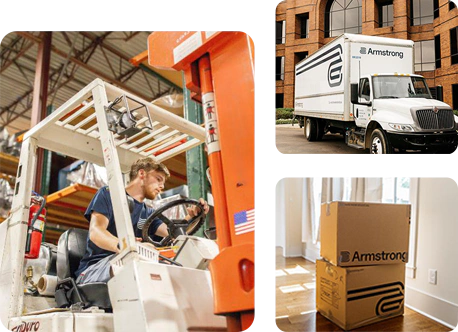
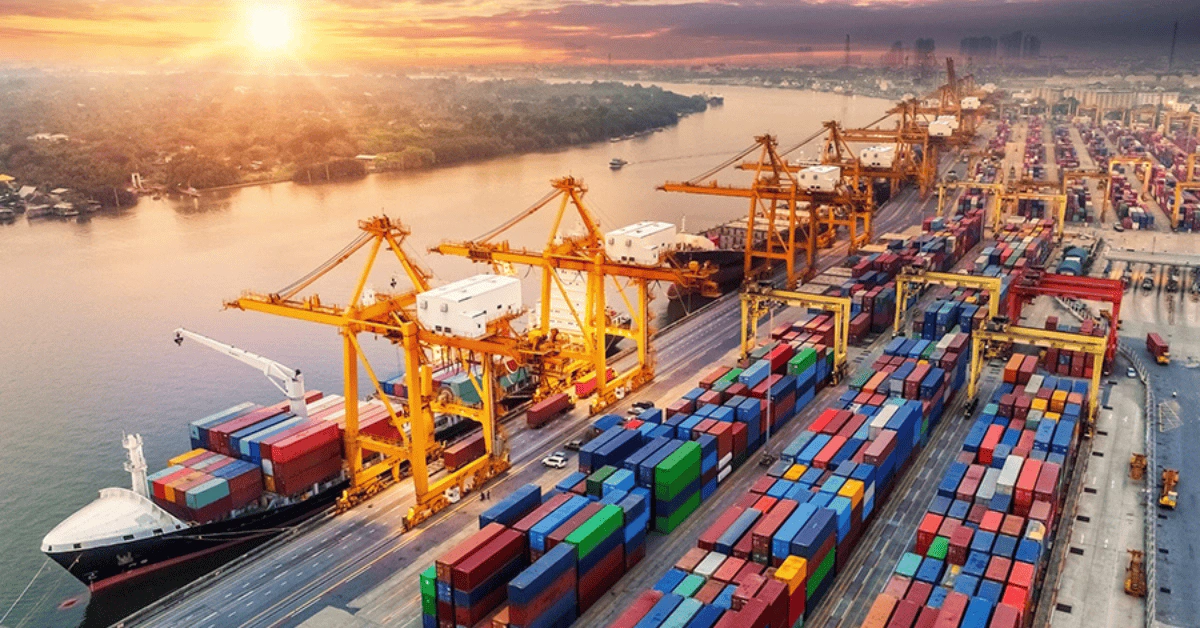
As consumer demand continues to put the squeeze on the global supply chain, warehouses around the country are rapidly reaching capacity. The Wall Street Journal reported that the average industrial vacancy rate in the United States recently fell to 4 percent, the lowest rate on record. While the U.S. used 800 million square feet of industrial storage space in 2020, companies used more than 1 billion square feet by December 2021. With companies forced to compete for remaining space around the busiest national ports, warehousing rental prices are rising to new heights. Rental rates for industrial space increased in 2021 by more than 10 percent year-over-year, according to real-estate firm CBRE. Approaching the holidays, businesses are seeing an abnormal seasonal surge escalating the already-severe warehousing and supply-chain issues. Here’s what you need to know about the root causes of the space shortage and why companies are turning to third-party logistics...

4 Lessons Learned from Managing an Internal Relocation
For decades, Armstrong has been seamlessly moving companies to new locations across the city and the country. But Armstrong recently had the opportunity to experience a move from the perspective of a client. Driven by a growing client base and a changing supply chain, Armstrong – Houston began the process of transitioning into a larger facility that better meets customer needs. As Armstrong faced the unique opportunity to be its own client, the team was appreciative of the fresh perspective — one which makes continuous innovation possible — and reinforced commitment to easing the loads of partners. Here are four takeaways from navigating this relocation process internally. 1. While planning your move far in advance is ideal, sometimes your business has other plans. Though it is recommended that you prepare for your commercial relocations as soon as possible, growing businesses often have urgent needs and tight timelines. Armstrong – Houston...
How to Improve Your Final-Mile Logistics
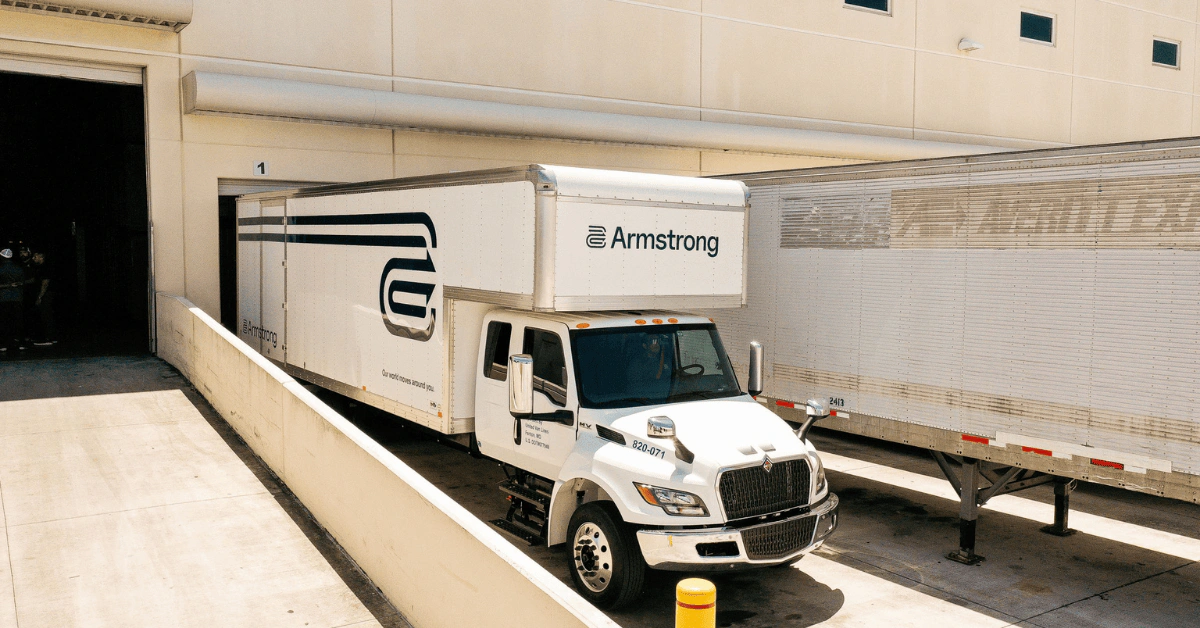
Though each leg of the supply chain poses unique challenges, the last mile is key to maintaining a high level of customer satisfaction and overall efficiency and profitability. While much of a product’s journey remains invisible to consumers, the final mile is a unique opportunity to earn customer loyalty and put a professional face to your brand. Successful final-mile logistics require extensive asset networks, professionally trained crews and quick turnarounds. Instead of attempting to manage the logistics in-house, many companies leverage third-party logistics providers (3PLs) to rapidly grow and meet changing demand without the overhead costs. With impressive expertise and comprehensive resources, a final-mile partner will streamline your logistics while allowing you to stay focused on managing your business. Thinking about outsourcing some or all of your last-mile logistics to a 3PL services provider? Here are five ways a complete logistics provider can drive efficiencies for your business. Armstrong Commercial...
5 Things to Consider When Moving Your Manufacturing Warehouse
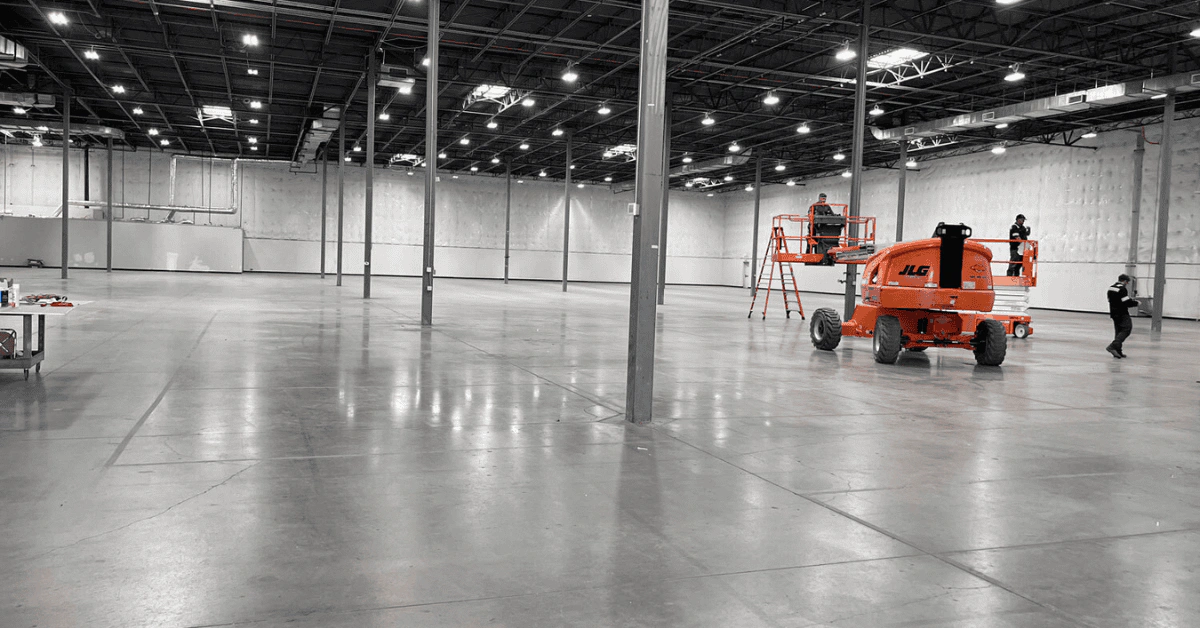
Manufacturers face unique needs when addressing warehousing variables that impact their business and supply chain. They may be growing, downsizing or decommissioning their off-site warehousing space. They may be consolidating warehouses or moving to more central locations. They may be switching to an outsourced model or adding storage for seasonal goods. Whatever the reason, warehouse relocations are regular occurrences for the manufacturing industry. Atlanta’s manufacturing presence is continuing to grow, according to the Atlanta Business Chronicle. As manufacturing companies expand in the Atlanta metro, more leaders are rethinking the sizes, layouts and workflows of their current warehouses. If you are relocating your warehouse across the city or joining the Atlanta metro for the first time, here are five things to consider when planning your manufacturing move. 1. Layout The locations of your warehouses play vital roles in the efficiency of your supply chain. Before you sign the lease for a...
Top 3 Industries That Depend on 3PL Services
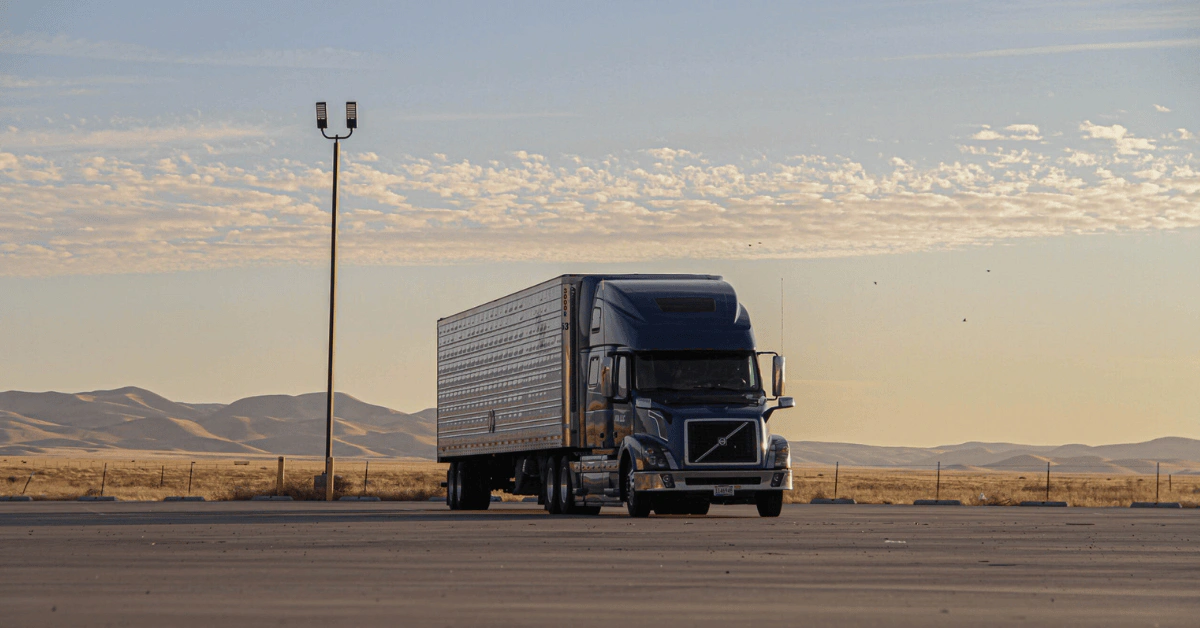
Third-party logistics providers (3PL) drive growth in many of the country’s top industries. Companies turn to logistics partners when they are preparing to scale their operations. Instead of managing their new warehousing and fulfillment needs in-house, they outsource some or all of their logistics to a 3PL. A successful 3PL partnership gives companies teams of experts, networks of assets and decades of experience, all at their disposal. Though a wide range of businesses depends on 3PL services, outsourcing warehousing and logistics is increasingly necessary in three industries. 1. Manufacturing Downtime is deadly in the manufacturing industry. Without all of the necessary personnel and parts, the whole supply chain can quickly fall apart, causing detrimental losses in revenue and retention. Third-party partners keep production on schedule and budget by ensuring materials and product get from their points of origin to their final destinations. With nationwide footprints and expansive asset-networks, logistics providers...
Case Study: Armstrong’s 3PL Services Help Leasing Company Meet Rising Demand
As working arrangements became more flexible in the wake of COVID-19, so did apartment living. With the new freedom to clock into work from anywhere in the country, people wanted a way to experience new locations without being tied down by extended leases, fees or application processes. Landing provides a modern solution for this emerging lifestyle. With an annual subscription, Landing members gain access to a national network of fully-furnished apartments that they can rent in minutes without long-term commitments. During the pandemic, the demand for Landing’s model exploded. In May 2020, its new-member enrollment increased 210 percent month over month, according to Inman. In order to keep up with the rapid growth, Landing needed a third-party logistics provider (3PL) to help receive, store, deliver and install the furnishings for every booked apartment. Armstrong – Houston had the assets and expertise to help Landing successfully scale. Armstrong’s Role When a...
5 Reasons to Outsource Your Warehousing Operations
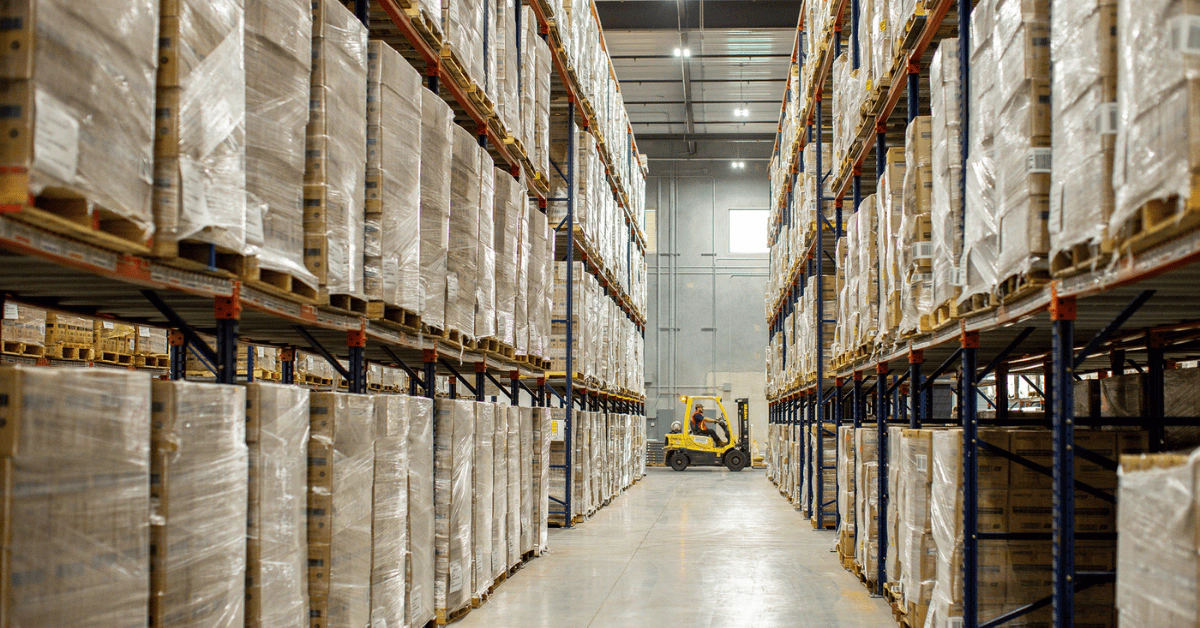
Key Takeaways: Outsourcing warehouse operations allows businesses to scale without building costly infrastructure. Partnering with a 3PL like Armstrong provides access to experienced teams, advanced technology and nationwide networks. Streamlined processes reduce inefficiencies and free your team to focus on growth. Outsourcing minimizes operational risks and lowers overhead costs. Warehouse outsourcing is ideal for companies facing seasonal demand, labor shortages or rapid expansion. What do large Fortune 500 companies, mid-sized manufacturers and small seasonal retailers all have in common? They all benefit from the expertise of third-party logistics providers. Third-party logistics providers — or 3PLs for short — exist to simplify your supply chain. Many companies don’t have the infrastructure, personnel, oversight or time to handle their own warehousing and logistics, so instead, they outsource those processes to a 3PL. A successful outsourcing partnership can help a company reduce overhead costs while preparing to scale. For example, a manufacturing company...
Final Mile Delivery Explained: Everything You Need to Know
The most visible part of the buying experience is the product’s journey to the doorstep — final delivery. Final deliveries ensure that people receive their goods with the appropriate levels of care. B2B customers and consumers alike are expecting those deliveries at increasingly faster speeds. Your final-mile deliveries can make or break your company’s reputation. A CapGemini survey found that an astounding 55 percent of customers would switch to a competitor if offered quicker deliveries, but 82 percent of satisfied customers have shared positive delivery experiences with their friends and families. To stay ahead of the competition, you need to make your final mile as trouble-free as possible. Let’s break down some commonly asked questions about final-mile delivery. What is final-mile delivery? Final-mile delivery is the last step of the supply chain, where goods move from a warehouse or transportation hub to their ultimate destinations. Seamless final-mile deliveries are vital...
Why You Should Outsource Your Warehousing and Distribution
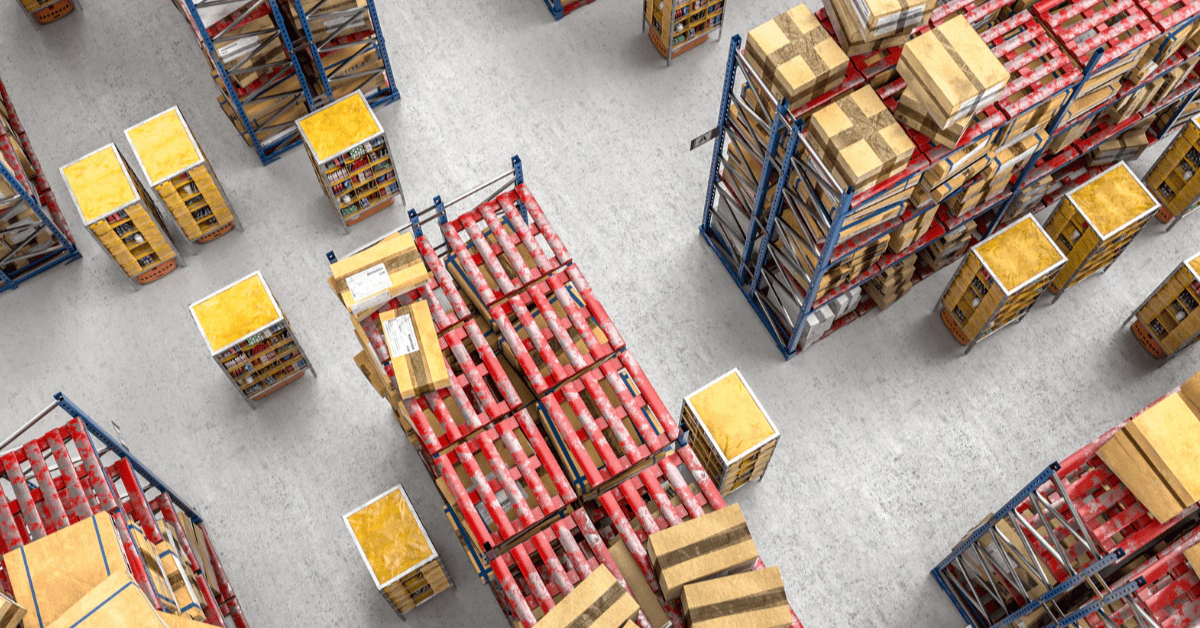
When COVID-19 struck, e-commerce sales exploded. As people switched from real to virtual shopping carts, companies of all sizes suddenly found themselves struggling to keep up with the new demand. The pandemic accelerated the growth of e-commerce by four to six years, according to an Adobe report. Even companies with already-established warehouses.had to pivot to accommodate the surge in online sales. Luckily, there’s a simple solution for companies that need to efficiently scale their operations. They can outsource their warehousing and distribution. An Armstrong & Associates report found that 90 percent of domestic Fortune 500 companies outsource part of their supply chain to third-party logistics providers. In Texas, industries ranging from apparel to health and more count on third-party partners to handle the logistics of their warehousing and distribution. Outsourcing your warehousing and distribution can be your secret weapon. Here are eight reasons why you should partner with a third-party...
5 Reasons People Outsource Warehousing and Logistics
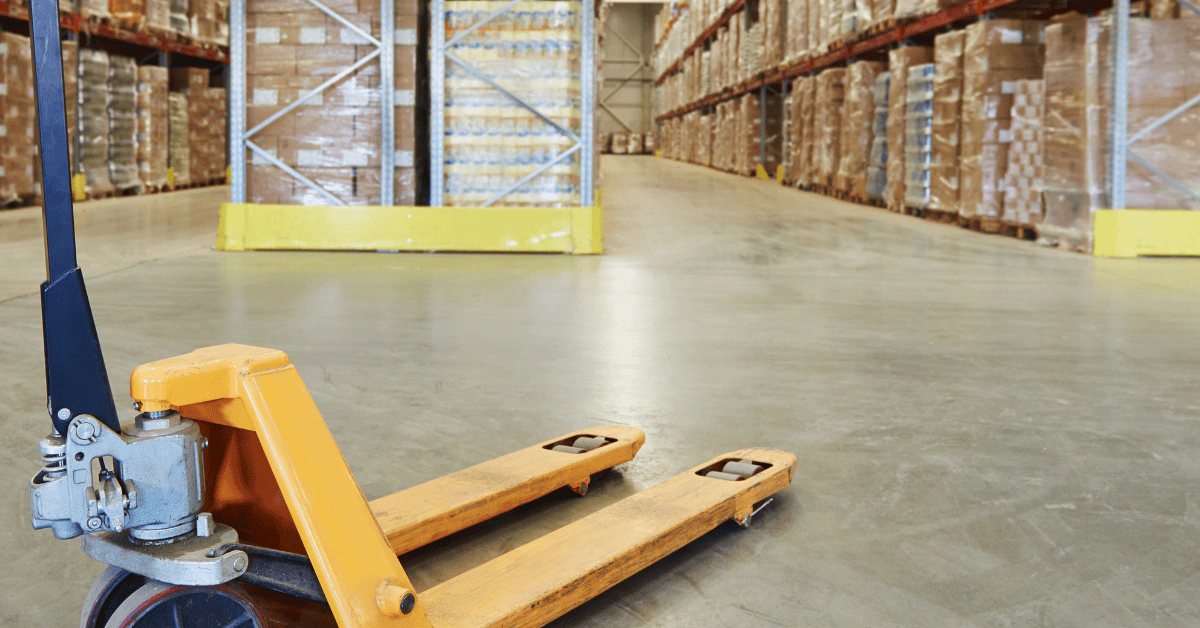
Outsourcing warehousing and logistics to a third-party provider is the secret to success for many of the world’s leading businesses. In 2019, 92 percent of Fortune 500 companies used a third-party logistics provider, according to The Armstrong Company. Across a wide range of industries, companies count on expert third-party providers to handle the ins and outs of their logistics and warehousing. Whether your industry is ecommerce, home improvement, food, technology, retail, pharmaceuticals or more, your company will likely benefit from making the switch to outsourcing. Here are five popular reasons why companies choose to outsource their warehousing and logistics: 1. Save money through cost-effective solutions. Instead of shelling out significant money to hire an internal management team, you only pay for the services you need when you outsource. You gain access to cost-effective solutions that add value to your supply chain, and you turn over the day-to-day management to industry...
Interested in joining the Armstrong family ?