Meeting the Demand: Master the Last-Mile Logistics
The last mile is where delivery plans meet real-world constraints—tight access points, limited receiving windows, busy job sites and customers who expect a smooth handoff the first time. In last-mile logistics, small breakdowns can create outsized costs: a missed appointment slot, a damaged asset at the threshold or a failed install that triggers rescheduling, rework and claims. For warehouse operations leads and safety-focused teams, this work goes beyond moving freight from A to B. You protect people, product integrity and the customer site while keeping schedules on track. Scaling that reliably requires a disciplined operating model: a clear chain of custody, standardized handling procedures and consistent execution across every route and stop. Key Takeaways Improve reliability with staged inventory, tighter handoff coordination and delivery windows that match site readiness Use real-time tracking and clear ETAs to reduce missed deliveries, on-site waiting time and exceptions Fulfillment Strategy: Shortening the Supply Chain...
Specialized Last-Mile Delivery Logistics Equipment
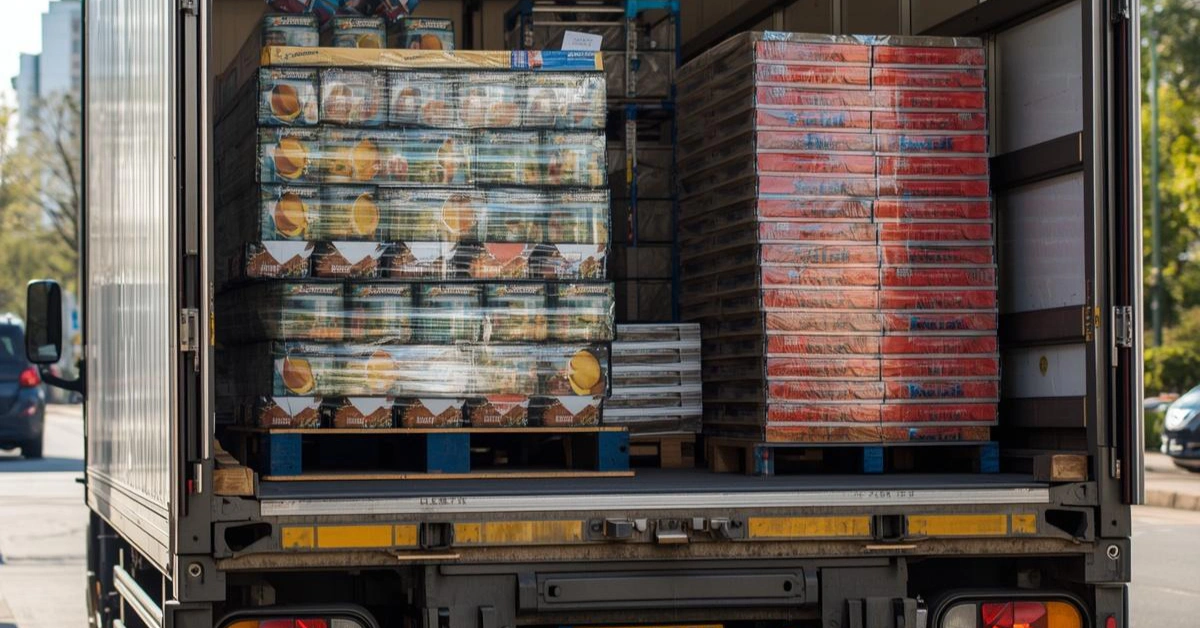
Commercial deliveries often go well beyond dropping off standard parcels. When your team moves high-value, heavy or sensitive assets—like MRI machines or AI server racks—standard handling methods can fall short. For safety officers and warehouse operations leads, a zero-failure expectation means treating final-mile execution as a controlled operation rather than a routine delivery. The right approach protects crews, equipment and the customer site from preventable incidents. That’s where specialized last-mile delivery logistics equipment becomes a critical risk-control layer. Purpose-built vehicles, precision movement tools and protective materials reduce injury exposure for handling teams while minimizing cargo damage and costly rework—especially when crews navigate tight access points, strict delivery windows and complex site conditions. Understanding the core equipment categories behind commercial-grade final-mile delivery is essential for building a safer, more reliable delivery process—from liftgate trucks and specialized dollies to padding and crating tools that keep freight secure through the last few feet....

The Rise of White-Glove Final Mile Delivery Services
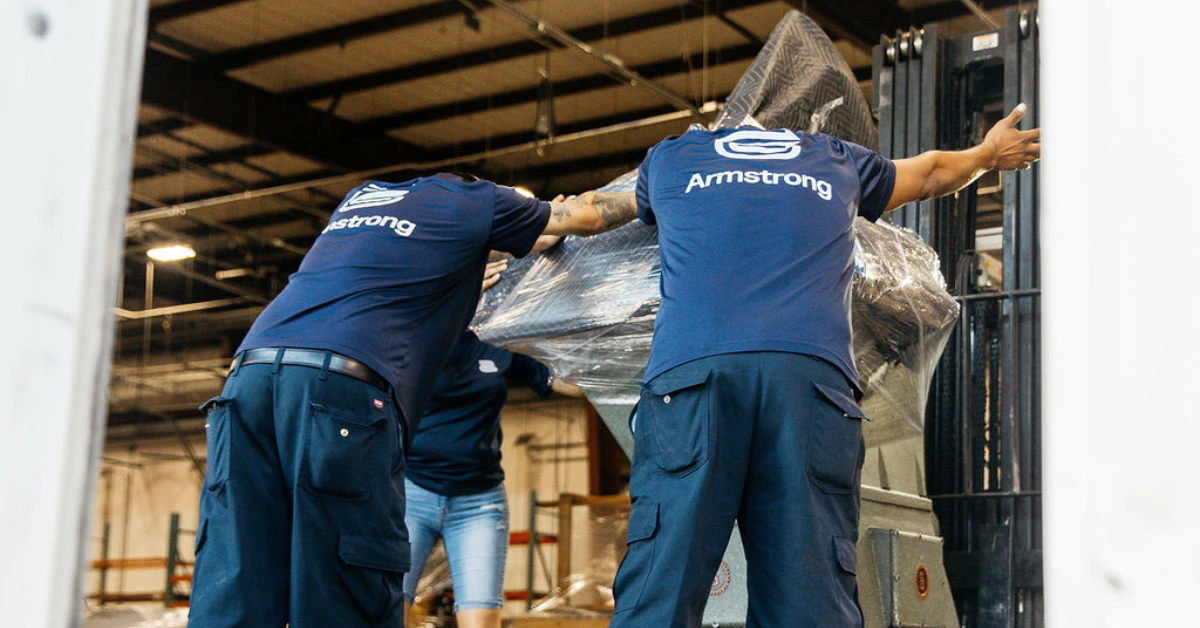
If you run retail operations or an e-commerce brand, you already know the final mile is where fulfillment plans either shine or unravel. It’s also where customers form their strongest opinions about your brand. As expectations rise, final-mile white-glove delivery is quickly becoming less of a luxury add-on and more of a competitive advantage. White-glove services are about executing the most complex parts of delivery effectively: navigating real homes and buildings, protecting high-value items, placing products exactly where they belong, setting them up correctly and leaving the space clean. For furniture, fixtures, fitness equipment, large electronics and other premium goods, a simple doorstep drop-off often creates more problems than it solves. Key Takeaways White-glove final mile delivery includes room-of-choice placement, setup or assembly and packaging removal Reliability and professionalism matter as much as speed, especially for high-value items Tracking, proactive updates and ePOD reduce missed deliveries, support tickets and claims...

Specialized Final-Mile Logistics for Huntsville’s Defense and Aerospace Hub
Huntsville isn’t just another metro for freight drop-offs—it’s a mission environment. When shipments go to a defense contractor campus, an aerospace manufacturing site or anywhere connected to Redstone Arsenal, the final mile becomes a controlled operation with real consequences. Access is restricted, delivery windows are tight and documentation standards are high. And when equipment is high-value—or vulnerable to delay, mishandling or exposure—standard courier routines don’t cut it. That's why a specialized Huntsville last-mile partner matters. Local experts support defense and aerospace teams with last-mile services built for accountability, schedule protection and secure handoffs—so shipments arrive at the right place, at the right time, with the documentation your program needs. Key Takeaways Huntsville's last-mile delivery requires controlled-access planning and audit-ready documentation, especially for Redstone Arsenal–adjacent sites A "classified-ready" chain-of-custody approach strengthens accountability with clear POD, timestamps, photos and exception notes Staged final-mile models and dedicated transport options reduce schedule risk when...

White-Glove Installation for Sacramento’s Public and Private Sectors
Sacramento is in build-and-upgrade mode. Between state office modernization in and around the Capitol area and ongoing healthcare investment across the region, expectations for final-mile delivery have changed. For government offices, medical facilities and commercial developments, the goal is readiness: a space that can open, operate and serve people immediately, without rework, missing parts or surprises at the dock. That’s where white-glove delivery comes in. In Sacramento, it is not just a premium label for careful handling. It is an end-to-end final-mile logistics and installation service built for precision, security and immediate usability. Think fewer boxes in hallways and more fully functional workspaces, clinics and tenant-ready suites. For state agency procurement officers, healthcare facility managers and commercial real estate developers, understanding what Sacramento white-glove services include and what it takes to execute them in secure, regulated environments can be the difference between a smooth go-live and an avoidable delay. Key...
A Guide to Top Final-Mile Logistics Companies
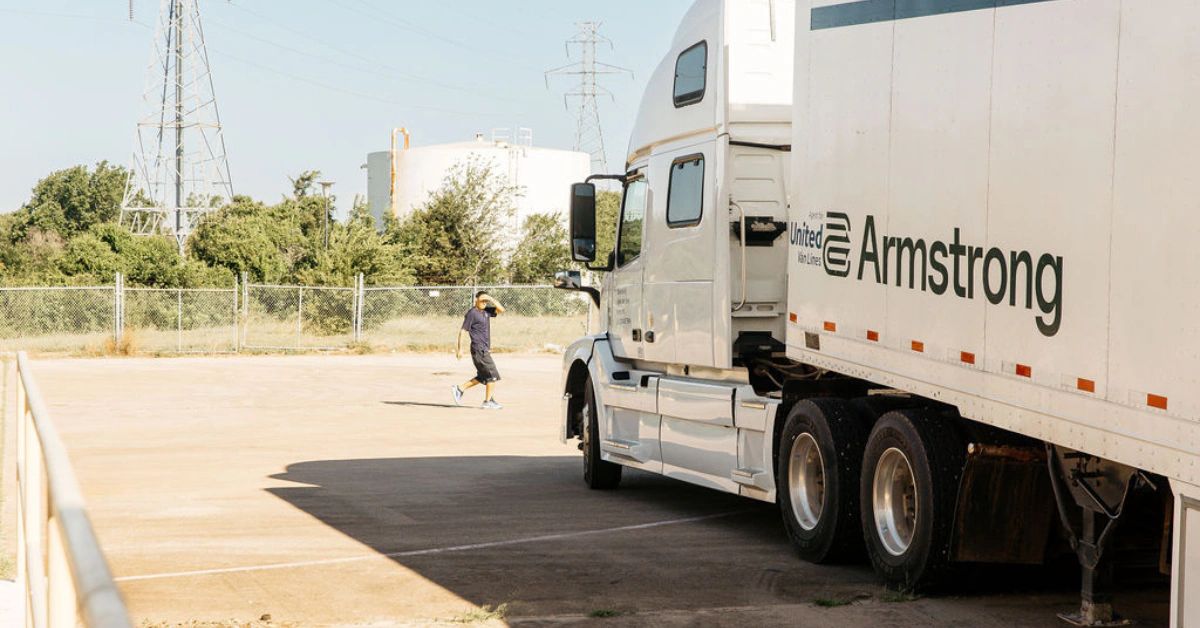
If you’re evaluating final-mile logistics companies, you need a partner who can protect the customer experience, meet tight delivery windows, resolve exceptions quickly and deliver high-touch services like inside delivery or installation—consistently, at scale and with reliable service. That’s why comparison searches for last-mile delivery logistics solutions keep growing. Procurement teams and small business owners don’t just want names; they want clear criteria that separate marketing promises from real-world performance. Key Takeaways Prioritize scalable capacity, white glove service and transparent, ethical practices Protect delivery operations by validating the delivery process upfront, including site readiness, exception management and POD with clear chain of custody Look for supply chain innovations that improve performance, such as route optimization for efficient delivery routes, dynamic scheduling and real-time tracking Use the checklist to confirm the provider can meet customer expectations and deliver reliable service across markets What Is Final-Mile—and Why Does It Matter? Final-mile logistics...
First to Last: The Strategic Integration of First and Final-Mile Logistics
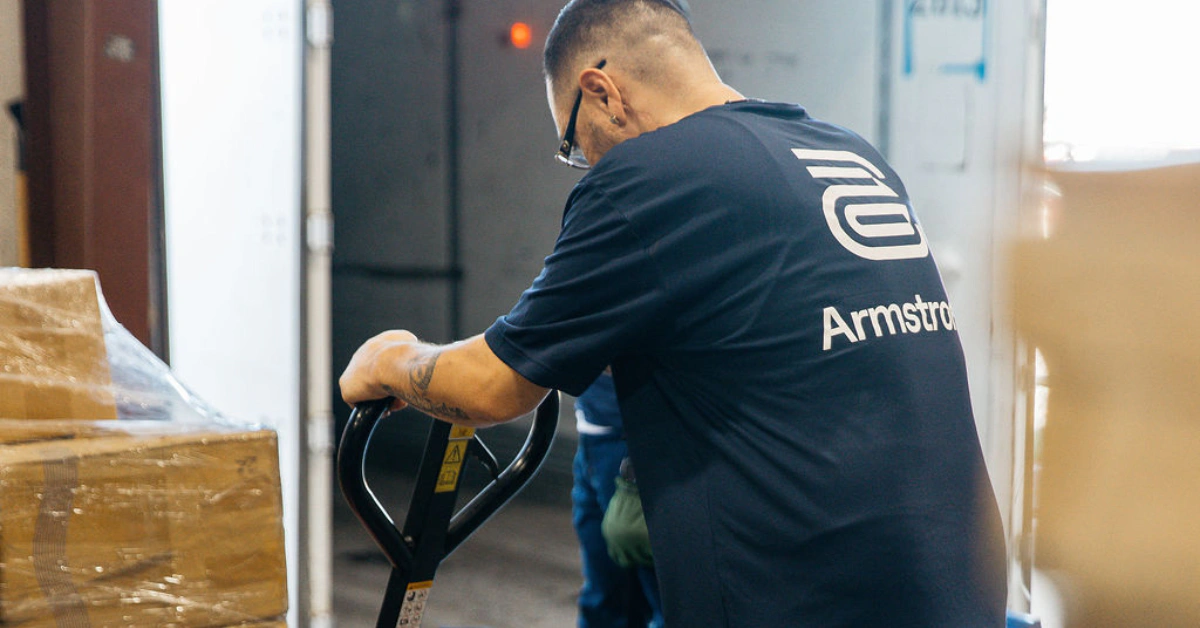
If you manage a distribution network, you’ve likely seen shipments hit their first-mile and hub milestones, then fail at the moment that matters most: delivery. That’s why first- and final-mile logistics work best as an integrated system, not as separate programs with different partners and disconnected data. When you plan from first to final, you reduce handoffs, improve visibility and deliver more consistent outcomes. For VPs of Logistics and Warehouse Managers, integrating logistics-first-mile delivery is a practical way to reduce exceptions, protect margins, and align service promises with real-world execution. Key Takeaways Integrating first-to-last execution strengthens your supply chain by reducing handoffs and improving visibility Better final mile delivery starts upstream with load planning, clean data and tight hub execution End-to-end delivery services improve accountability, speed exception recovery and protect OTIF First Mile vs. Final Mile: Where Handoffs Create Risk First-mile logistics moves goods from the origin (manufacturer, supplier, or distribution center) to the first...

Last-Mile Furniture Delivery Logistics Solutions
When a hotel, hospital or office project needs furniture delivered and installed on a deadline, the final mile decides whether the space opens on time. It is where purchase orders become finished rooms, or delays that disrupt operations and budgets. Final-mile logistics are different from standard shipping. It includes room-by-room placement, on-site assembly, debris cleanup and coordination around tight schedules. For facility managers and procurement officers, choosing the right final-mile logistics provider means avoiding damaged inventory, missed opening dates and weeks of claims paperwork. Key Takeaways Define final mile delivery service scope in writing Integrated pickup linehaul staging and installation reduces touchpoints and missed windows Choose threshold or white glove service based on site constraints, timeline and in-house labor Armstrong supports multi-site FF&E rollouts with crew infrastructure and closeout documentation The End-to-End Journey: Integrating the Supply Chain Successful FF&E execution starts well before the truck arrives. Final-mile delivery logistics work...

Seamless Project Delivery and Installation for Complex Projects
Commercial rollouts rarely fall apart because one team doesn't work hard enough. More often, they stall in the handoffs. A shipment arrives before the site can receive it, a critical component goes to the wrong entrance, installers can't get access or a staging plan that looks solid on paper becomes a bottleneck on move-in day. When that happens, timelines slip for internal teams and for customers who expect the space to be ready. When you move high-value equipment, specialized furniture or assets that must go live quickly, delivery isn't the finish line. The goal is installed, verified and ready for use and that requires different levels of control depending on the environment. That's why delivery and installation work best as a single coordinated project, with final-mile delivery aligned with site readiness and installation requirements. With the right planning and execution, rollout logistics stay predictable and your teams don't have to fix problems...
How New Tariff Regulations Could Impact Sacramento’s Supply Chain Operations
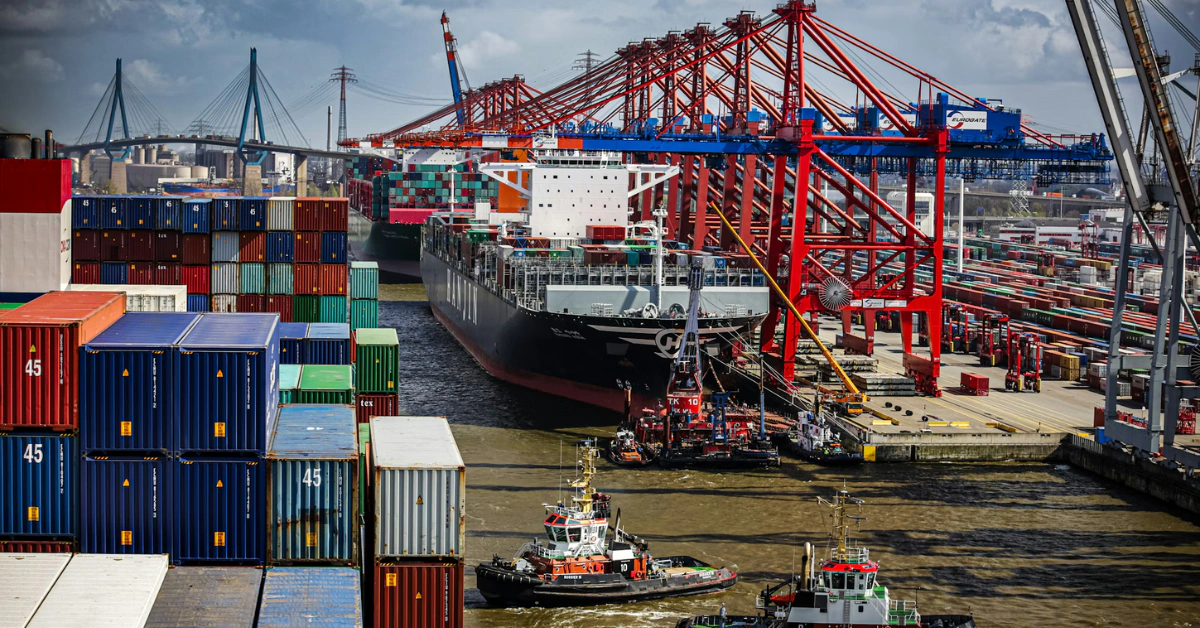
Tariffs are back in the headlines—and for supply chain leaders, the focus is execution. When tariff rules change (or the risk of change rises), the effects are quickly reflected in landed costs, sourcing decisions, lead times and customer pricing. Planning is especially challenging right now because multiple tariff programs can overlap, tariffs can be imposed quickly and exclusions may change with little notice. Ongoing legal questions about emergency tariff authority add another variable for teams trying to forecast costs and maintain service levels—which is why many organizations rely on experienced supply chain partners to help them stay agile and avoid costly disruptions. Sacramento is particularly sensitive to these shifts because of its mix of industries and its role in regional logistics. Greater Sacramento sits at the center of a major agri-food ecosystem, supports manufacturing and industrial supply chains and continues to expand as a distribution and warehousing market. With key...
Interested in joining the Armstrong family ?