Employee Relocation Pitfalls: What Employers Should Avoid
Dust off those cubicles because the work-from-home life may be coming to a close for some employees. As the vaccination rate continues to rise in the United States and restrictions start to lift, businesses are hoping to regain some normalcy. A recent survey by LaSalle Network found that 70 percent of corporate leaders plan to have employees back in the office by fall. With the threat of COVID-19 fading, Human Resources representatives are once again gearing up for a wave of employee relocations. You can make this relocation process easy for both you and your new employees by avoiding these four common pitfalls. Pitfall #1: Insufficient Planning Relocation experts recommend saving at least three to six months for the relocation process, particularly if the move is cross-country or international. After all, you are asking an employee to pack up their life and household for your company, and that is not...

10 Tips for a Successful Relocation
Sometimes, the elation of finding the perfect job is quickly followed by a moment of dread — you may have to relocate. Despite the pandemic, 2020 was a big year for relocations, and experts predict that 2021 will host even more moves. According to data from the Pew Research Center, roughly 1 in 5 adults say they moved because of the pandemic or know someone who did. Whether this is your first move or your fifth, it can be hard to know where to begin. Relocating can be an undoubtedly daunting task, and without the dedicated help of a moving partner, your to-do list can become too long for you to manage. Here are 10 tips for how to tackle your relocation like a seasoned professional: 1. Don’t be shy about negotiating. Read through the fine print of your relocation package and find out what benefits it offers. How does...

5 Tips for Downsizing Your Office
Though the end may be in sight for the COVID-19 pandemic, the remote-work craze is far from over. As companies work to rebuild normalcy by returning to in-person workplaces, many are moving to smaller offices so some employees can keep working from home. A recent survey by KPMG found that 17% of surveyed CEOs plan to downsize their business’s footprint this year. And of the companies currently looking for new offices, more than one third are looking for smaller offices than they previously had, according to FreeOfficeFinder. The benefits of downsizing your office are plentiful. Not only does it allow for a more flexible workspace, but it also saves significant money and allows you to create a more productive and collaborative environment for your team. If you’re considering a downsize for your organization but don’t know where to begin, here are five things to consider: 1. Listen to your employees’...

The Hidden Costs of Office Decommissioning
After the pandemic forced workers to dust off or create their home offices, some employees are realizing that they don’t want to go back to the cubicle life. According to a survey by PwC, 83 percent of employers say the transition to remote work has been successful for their organization, and 55 percent of employees want to continue working from home at least three days a week. As employers prepare for permanent shifts to more flexible workplaces, many are beginning to downsize or decommission their offices — and seeing the hefty price tags that often accompany those processes. Decommissioning involves returning your space to its original condition, as stipulated by your contract. This may include removing all of your belongings and cleaning the floors. Depending on your lease agreement, failure to do so can result in a heap of unnecessary costs. The fees for your agent and legal support, as...

Should You Completely Decommission Your Office Space or Just Downsize?
If you are loving the work-from-home life, you’re far from alone. A recent survey by JLL found that 66 percent of workers expect to work in a hybrid remote and in-person model once the pandemic fades. Meanwhile, in a Limeade Institute study of more than 1,000 formerly onsite employees, 100 percent said they were anxious about returning to the office. And right now, companies are paying attention. Businesses looking to say farewell to a static space have two main options: fully decommission the office and embrace a remote workforce, or downsize to a smaller office and adopt a hybrid model. If you are torn between the two, here are 10 things to consider when making your decision. 1. Decommissioning provides the most cost-savings. Though both options will save you significant money on overhead costs, decommissioning is the most cost-efficient. By eliminating your office space altogether, you can remove the costs...
5 Reasons People Outsource Warehousing and Logistics
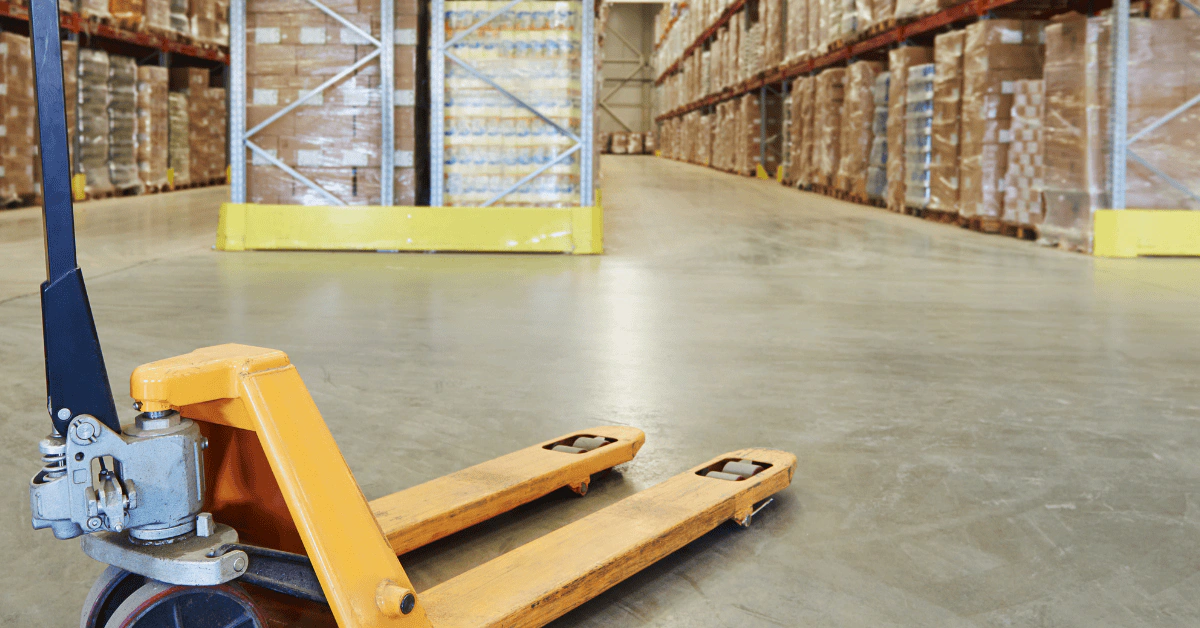
Outsourcing warehousing and logistics to a third-party provider is the secret to success for many of the world’s leading businesses. In 2019, 92 percent of Fortune 500 companies used a third-party logistics provider, according to The Armstrong Company. Across a wide range of industries, companies count on expert third-party providers to handle the ins and outs of their logistics and warehousing. Whether your industry is ecommerce, home improvement, food, technology, retail, pharmaceuticals or more, your company will likely benefit from making the switch to outsourcing. Here are five popular reasons why companies choose to outsource their warehousing and logistics: 1. Save money through cost-effective solutions. Instead of shelling out significant money to hire an internal management team, you only pay for the services you need when you outsource. You gain access to cost-effective solutions that add value to your supply chain, and you turn over the day-to-day management to industry...

10 Reasons to Relocate to the Research Triangle
If you’re looking at a map, you can draw three lines connecting Chapel Hill, Durham and Raleigh. This is called the Research Triangle, and it’s one of the hottest places to live in the nation. Every year, more and more people are hustling to join the area’s long-term residents. In fact, more than 70 people move to the Research Triangle every day, according to a report by the Research Triangle Regional Partnership. If you’re looking to relocate, the Research Triangle may be the perfect place. Here are 10 reasons why you should make the Triangle your new home: 1. Robust job market At the center of the Triangle sits the Research Triangle Park, a 7,000-acre epicenter for more than 200 companies and 50,000 employees. It’s the largest research park in the country and has driven substantial economic growth to the Triangle. Some refer to the park as a “mini Silicon...

9 Steps to Packing Your Home for the Big Move
Congratulations! You’ve found a new home and are getting ready to pack up and move. There is a science to packing efficiently, so here are nine things you should consider when beginning the packing process. Decide whether you’ll be doing the packing yourself. Packing can be a stressful process, so hiring a moving service to do the packing for you can save you significant time and energy. There’s a reason that so many people choose to leave packing to the professionals — movers know how to pack your belongings in the safest, most efficient ways. While they pack, you can focus on other tasks. Regardless of whether you are going solo or leaving it to the pros, you should plan ahead and start early. Gather the right supplies. If you’re going to handle your packing, you’ll need to identify the quantity and sizes of boxes you’ll need. Small boxes are...

8 Things to Know About Moving High-Value Inventory
When you’re getting ready to pack up and move, some of your belongings will require extra attention. These may be the jewelry that have been in your family for generations, the artwork lining the walls, or the piano on which you learned how to play. These items may qualify as “high-value,” and both you and your movers can take additional steps to protect them during the move. Here are eight things you should know about moving high-value items: High-value items have extraordinary or unusual value. Though “extraordinary value” may mean different things to different people, movers most frequently define high-value items as those that are valued at more than $100 per pound. If you’re not sure of an item’s value, get an appraisal or contact your move coordinator for help. These items can include anything from family heirlooms to designer shoes. Any of the following may qualify as high-value items:...

Pitfalls to Avoid in Office Moving
As you set your sights on a new office building your next step is likely to investigate what the relocation will entail. Office relocation can be daunting, but don't let that stop you from making the change. Whether you are moving a few blocks away or across the country, we have identified five common moving pitfalls that, if avoided, can help make this transition seamless. Moving without a Strategy Lack of pre-planning is the cause of many common issues when moving. From logistics to time management to coordinating a checklist — these moving pieces will be better executed if planned ahead. Don't rush this process. A hurried move can lead to delays and additional expenses. Take time to scope out scenarios that may cause delays and troubleshoot them before the move. Find the right time to start the move. Coordinate with teams on a planned timeline: before the move, the...
Interested in joining the Armstrong family ?