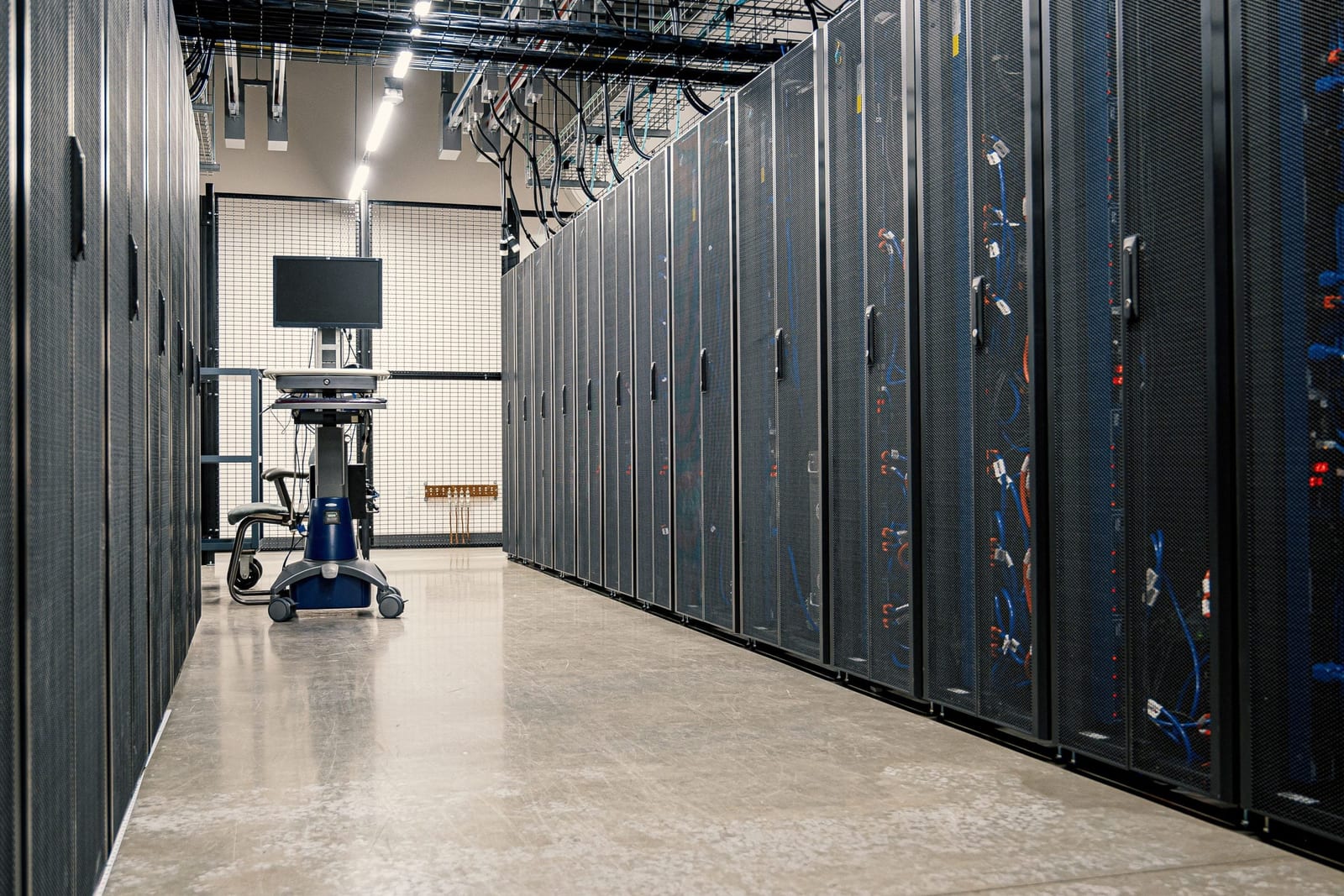
A Guide to High-Density GPU Server Relocation
High-density GPU environments add weight, increased heat sensitivity, tighter tolerances and greater pressure on your schedule than traditional IT equipment. If you manage AI infrastructure, you need more than basic transportation. You need server relocation services that support complex IT relocation projects while protecting uptime, maintaining visibility, reducing handling risk and keeping your rollout or migration on track. In dense compute environments, secure server transport, careful staging and experienced high-security handling are key to a successful move. Key Takeaways High-density GPU deployments require tighter coordination across facilities, vendors and deployment teams, as even small execution gaps can disrupt a larger AI infrastructure rollout. Serialized tracking, sequenced delivery and controlled staging help you keep equipment organized and ready for each phase of the move while improving project efficiency. Choosing a logistics partner with high-security handling experience and chain-of-custody controls helps you reduce operational risk during relocation and gives your company stronger...
Huntsville Logistics: Supporting Defense and Aerospace Data Center Builds
Huntsville has earned the name of The Rocket City through its strong ties to defense, aerospace, research and other highly sensitive technical operations. That environment raises the stakes for every infrastructure project, especially a Huntsville data center build, expansion or phased deployment. In this setting, logistics does more than move materials. It helps protect schedules, manage risk, safeguard high-value assets and support facility performance and reliability. For defense contractors, government agencies and aerospace engineering teams, success depends on more than moving equipment from one location to another. These projects go beyond a complex commercial relocation and require tighter control over visibility, site access, sensitive hardware and electronic equipment to keep work moving without creating bottlenecks on-site. When your project involves advanced technology and a major investment, the right logistics strategy helps you avoid hardware failures, costly downtime and unnecessary disruption. Key Takeaways Early staging, kitting, sequencing and pre-site planning help...
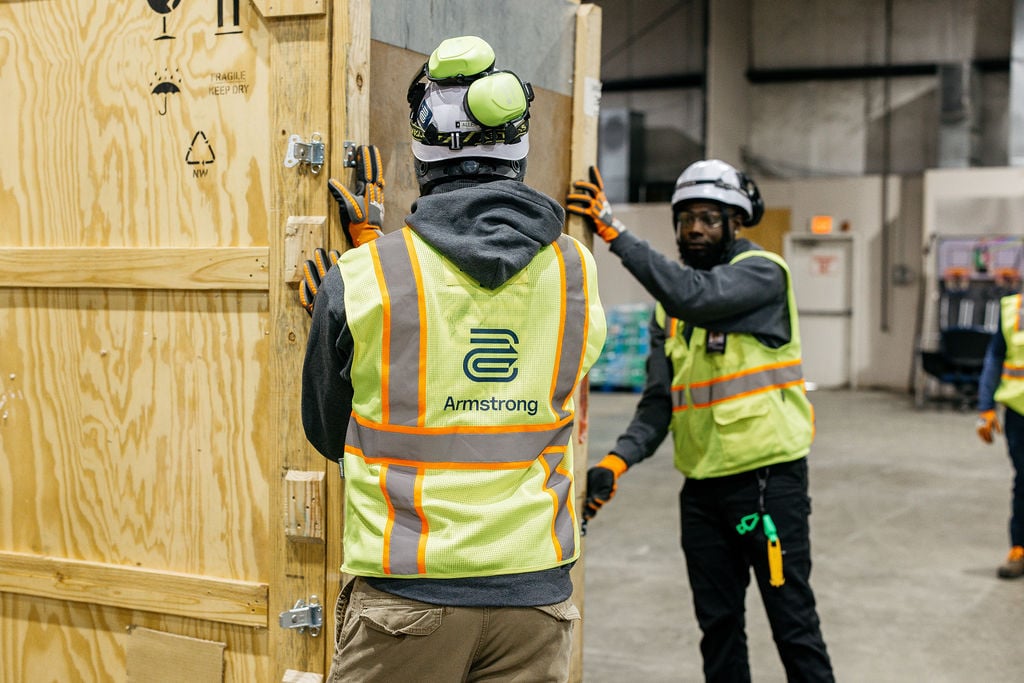
Integrating Build-Site Migration and Deployment Support Services
When planning a data center relocation project, chief information officers, infrastructure engineers and IT project managers face a significant undertaking. The primary challenge revolves around coordinating schedule-sensitive deliveries, secure handling and site readiness to ensure a smooth transition. The teams involved must manage equipment placement perfectly to avoid downtime risks, protect critical systems and prevent multi-vendor confusion. A common question during these complex data center migrations is whether you need a mover or an IT consultant. Typically, while an IT consultant owns the logical migration strategy, a data center relocation expert focuses on the physical execution side, providing full-scale data center migration services. And while those services involve handling secure transportation, delivery sequencing and placement support, effective integration in such a project requires much more. Key Takeaways Clear ownership between the logical migration strategy and physical execution layers prevents costly delays during the entire process A single logistics partner handling...
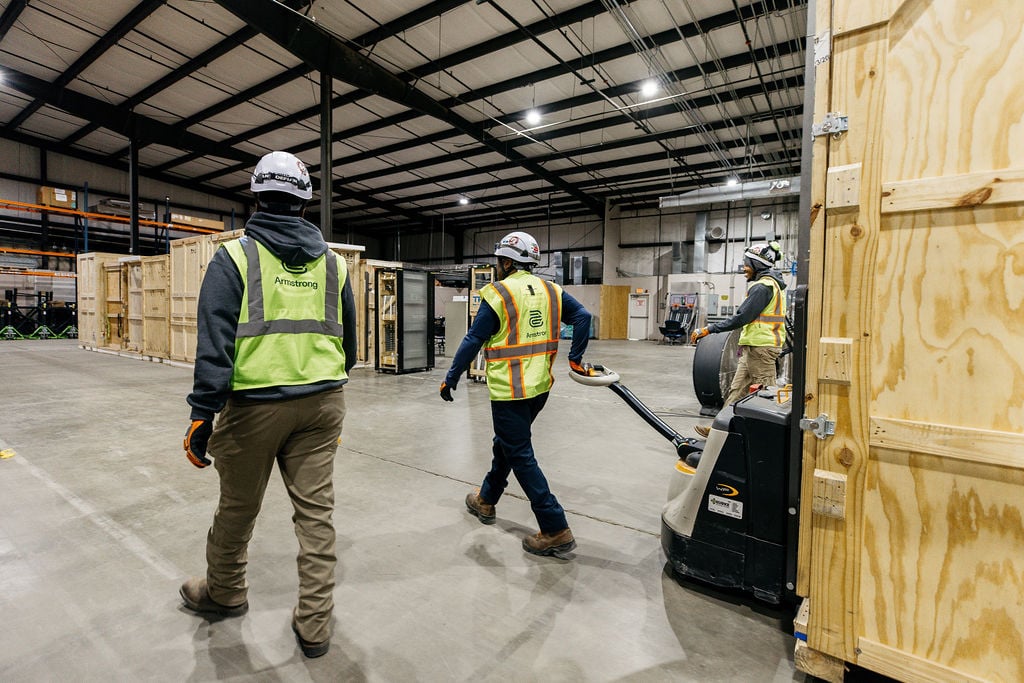
Secure Strategic Staging: Warehousing & Pre-Fabrication for Data Center Deployment
If you think of a warehouse as a place where equipment simply waits, modern data center deployment calls for a different approach. Today, the warehouse plays an active role in readiness, helping you move preparation work off-site so you can manage timing, material flow and site access more effectively across your infrastructure network. Logistics efficiency matters because projects rarely lose momentum due to a single major failure. More often, delays build through everyday friction: early deliveries, crowded staging areas, misplaced components and crews waiting on the next handoff. Strategic staging helps you create a more controlled flow from receipt to storage to final delivery, so your site stays focused on installation instead of sorting and overflow. Key Takeaways Strategic staging helps you create a more controlled deployment flow by moving preparation work off-site before equipment reaches the jobsite Strong data center warehousing solutions rely on security, environmental protection and serialized...
The True Cost of a U.S. Construction Site Delay
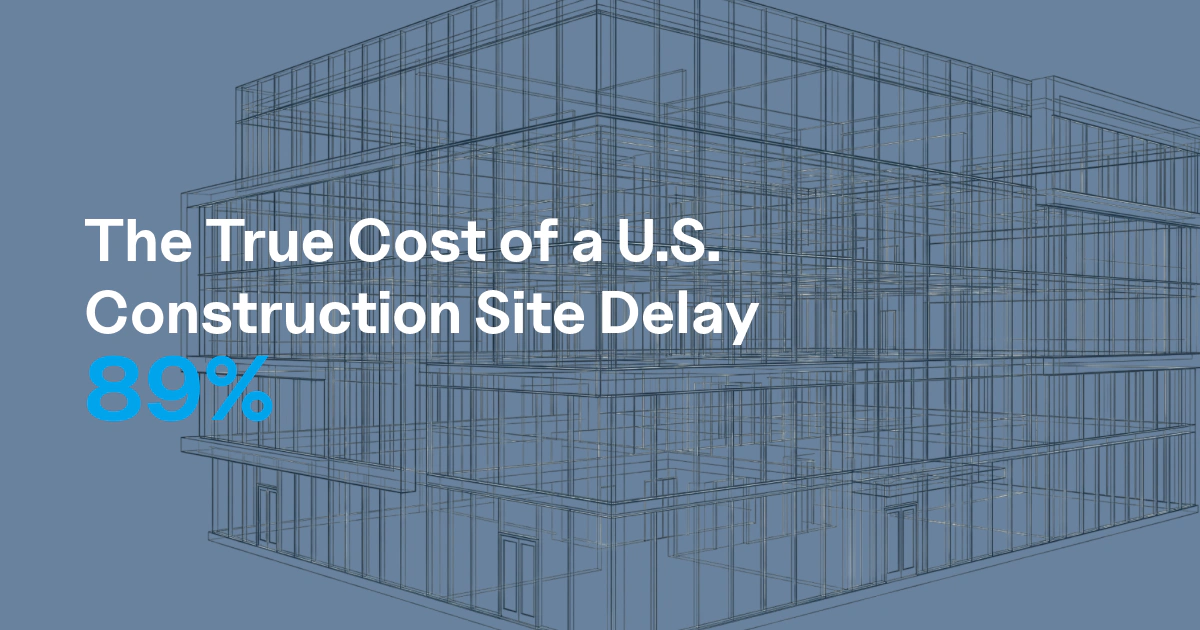
Avoidable delays and poor site data are driving massive financial losses across the commercial construction sector. With complex supply chains and tight labor markets, maintaining a project schedule is more critical than ever. However, logistical bottlenecks and inefficient material management frequently derail commercial builds. For organizations managing large-scale facility developments, partnering with an expert logistics provider is essential to keeping materials secure and projects on time. Embeded Code: <a href="https://www.goarmstrong.com/resources/cost-of-a-construction-site-delay/"><br /><br /><br /><br /><br /> <img src="https://www.goarmstrong.com/goarmstrong-uploads-production/2026%2F06%2FThe-True-Cost-of-a-U.S.-Construction-Site-Delay.png" alt="The Business Relocation Boom: Where Is Corporate America Moving? — Infographic" title="The true cost of a U.S. construction site delay — Armstrong — Infographic"></a><a href="https://www.goarmstrong.com/" alt="Armstrong Moving Company" title="GoArmstrong.com">By Armstrong</a> Key takeaways U.S. construction projects face a 89% delay frequency, primarily driven by owner-led factors. Avoidable rework costs the commercial construction sector approximately $88.7 billion annually. A three-month delay on a standard $50 million build can result in a 6% margin loss, or...
Precision Deployment: Staging & Site Readiness in Raleigh Tech Hubs
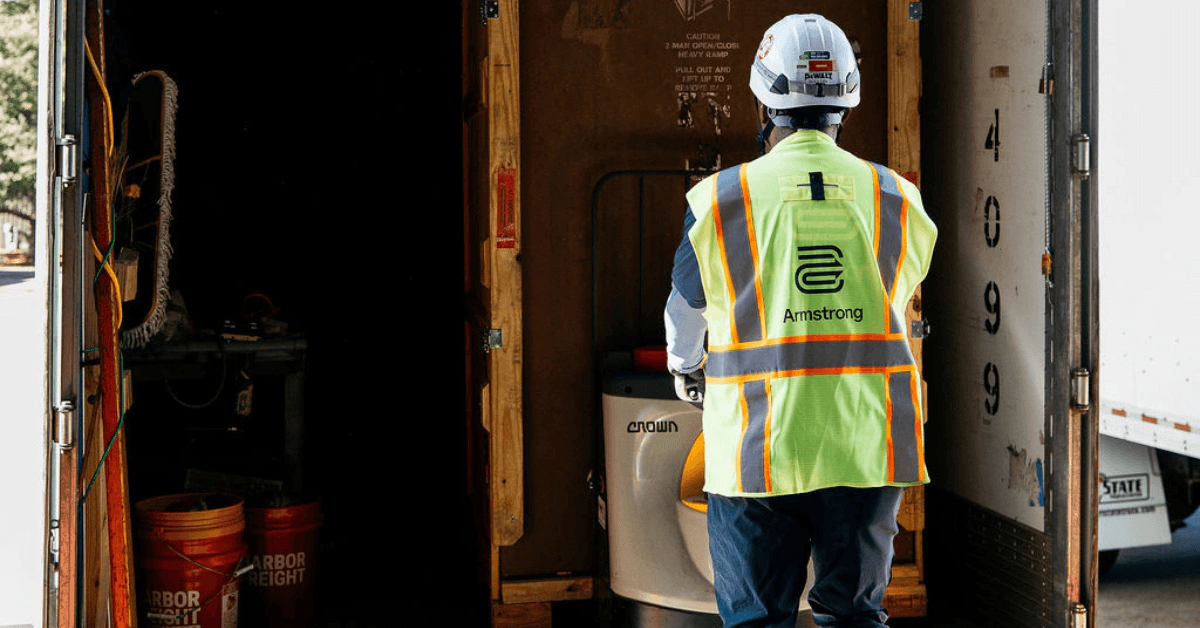
If you manage a Raleigh-Durham data center build or expansion, you know how quickly coordination issues can disrupt deployment. Materials arrive too early, crowding the site. Critical equipment arrives late, slowing the schedule. Vendors work on different timelines, leaving your team to close the gaps and keep the project moving. That challenge matters even more across the Research Triangle, where demand continues to grow alongside AI, biotech and other high-performance environments in the Raleigh-Durham area. In this market, site readiness directly shapes schedule performance, labor efficiency and deployment quality. Armstrong coordinates logistics and material flow for data center builds to help protect your schedule, reduce jobsite congestion and deliver materials in the right sequence. With trained data center operational teams supporting new builds, expansions and phased deployments from transport to placement, IT relocation services partners help position your project for long-term success. Key Takeaways Expert teams help you keep deployment...
Mitigating Data Center Relocation Risks During New Build and Phased Deployment
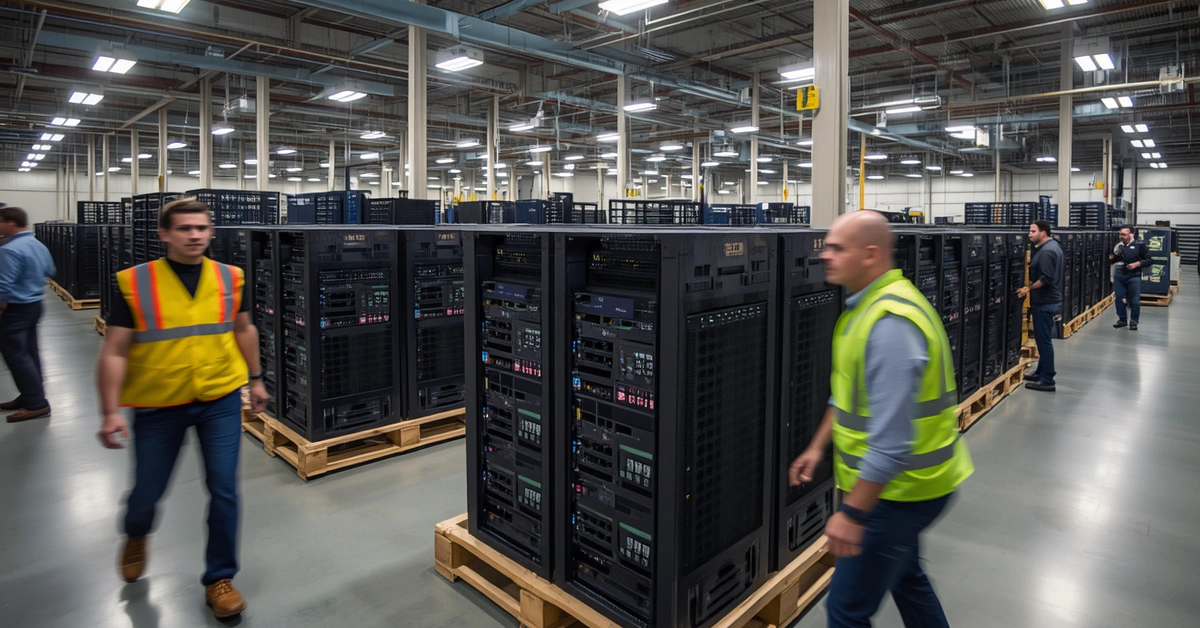
The biggest failures in a new build or phased deployment rarely start at cutover. They usually begin earlier, when high-value infrastructure leaves the manufacturer, moves through multiple handoffs and waits in staging areas or on loading docks without clear controls. For risk managers and infrastructure managers, that is where many data center relocation risks take shape. Phased deployments add even more exposure because equipment arrives in waves, site conditions keep changing and installation windows stay tight. When timing, staging and handling are not aligned, teams face rehandling, schedule slippage and accountability gaps that are difficult to correct later. That is why this is often a logistics issue before it becomes an IT issue. Controls such as tilt/shock monitoring, chain-of-custody transport with seal control for high-value IT assets, secure warehousing and disciplined staging and sequencing help reduce risk before equipment ever reaches the white space. Key Takeaways Many data center relocation...
Data Center Relocation Checklist: Moving AI-Ready Infrastructure
Relocating a data center is never just a move. If you are planning a build-to-suit relocation tied to AI density upgrades, an expansion or a colocation transition, you are managing two mission-critical priorities at once: protecting your IT infrastructure and maintaining uptime. Your checklist needs to cover both without leaving gaps, especially when the move includes a full data center migration that must safeguard business operations. Understanding the details that drive success is key: serialized asset control, secure chain of custody, schedule protection, data security and downtime minimization. Build a clear migration plan, align stakeholders and document every phase from deinstallation through placement at your new data center location. Key Takeaways Watch for trigger signals like power or cooling constraints, refresh cycles or footprint changes, then set a planning timeline before urgency forces decisions Build your source-of-truth package and phased plan Execute cutover and closeout with control: validate against baselines,...
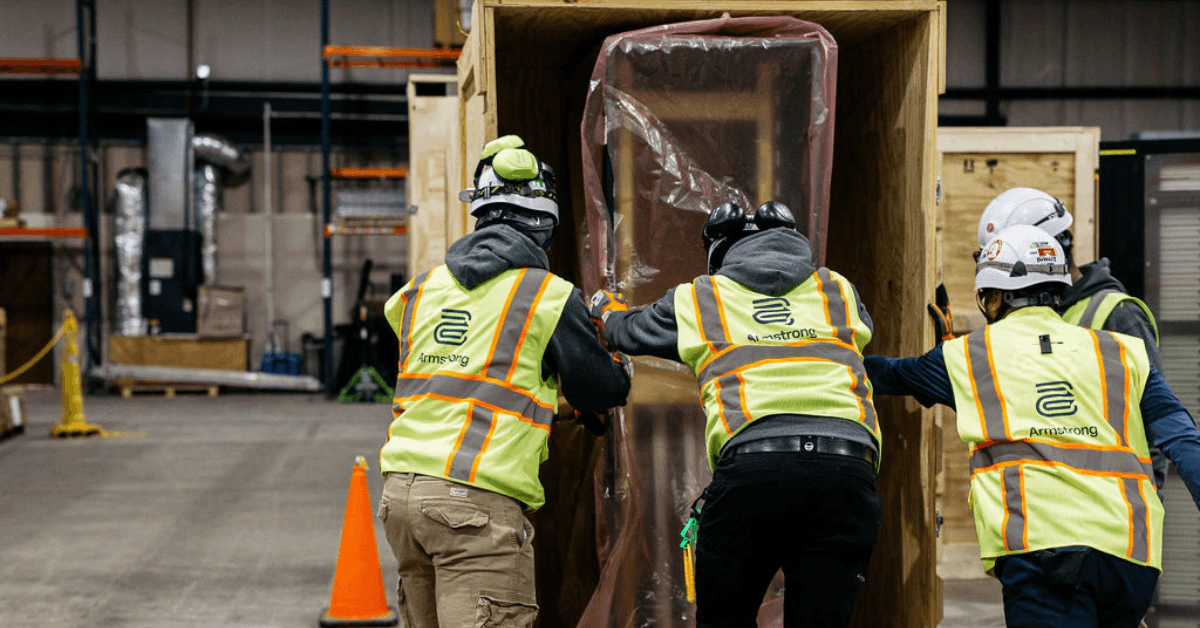
Finding the Best Sacramento Data Centers: Logistics and Build Support Experts
Sacramento shows up on more shortlists for AI-ready deployments because it gives you room to scale without losing touch with Bay Area ecosystems. If you manage real estate strategy or capacity planning for your tech firm, the Sacramento metro can balance growth-friendly footprints with access to Northern California talent, infrastructure and vendor network systems. To get the best outcome, focus on more than the facility. Your timeline depends on what happens between secure storage and the jobsite. When you plan build-phase logistics, staging and sequenced deliveries early, you protect the schedule, reduce congestion and keep installation crews productive. Why Sacramento Is On the Shortlist for California Data Center Growth If you need capacity for AI-ready deployments and want flexibility for phased growth, the region offers practical options that support Bay Area operations and a long-term Northern California strategy. Here’s why Sacramento rises to the top when you compare data centers...
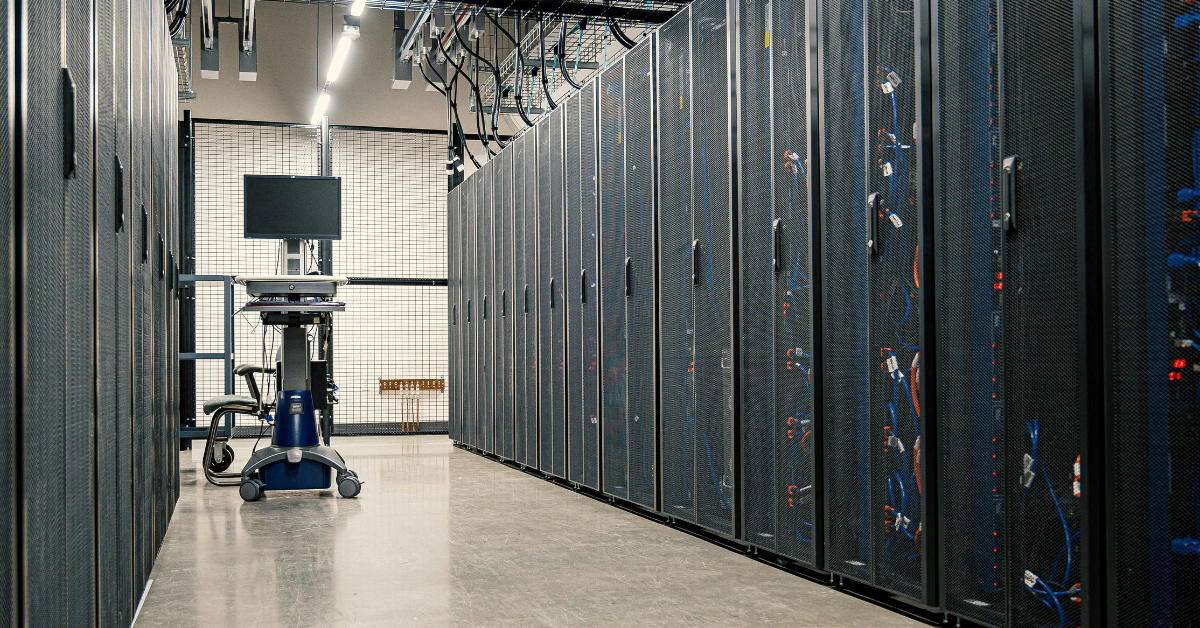
Asset Retirement: Decommissioning and Infrastructure Disposition
Asset retirement is where end-of-life data center decisions can create outsized risk, especially when equipment contains sensitive data. To retire infrastructure safely, you need a plan that protects data, supports compliance and clears space for what comes next. Data center decommissioning services add structure by aligning secure IT asset disposition with equipment removal and responsible data center equipment recycling, backed by the documentation your team needs. The goal is controlled, defensible disposition: protect data, track every handoff and choose the right end-of-life path for each asset. Armstrong supports mission-critical environments with uptime-focused processes, secure chain-of-custody handling and certified e-waste destruction when required. Key Takeaways Separate data-bearing assets early and apply a clear sanitize-or-destroy rule before any downstream disposition Reconcile inventory at every handoff with serialized tracking and exception logs to prevent audit gaps Route batteries, UPS components and other special streams through dedicated handling and compliant recycling paths Stress-test your...
Interested in joining the Armstrong family ?