Finding the Best Sacramento Data Centers: Logistics and Build Support Experts
Sacramento shows up on more shortlists for AI-ready deployments because it gives you room to scale without losing touch with Bay Area ecosystems. If you manage real estate strategy or capacity planning for your tech firm, the Sacramento metro can balance growth-friendly footprints with access to Northern California talent, infrastructure and vendor network systems.
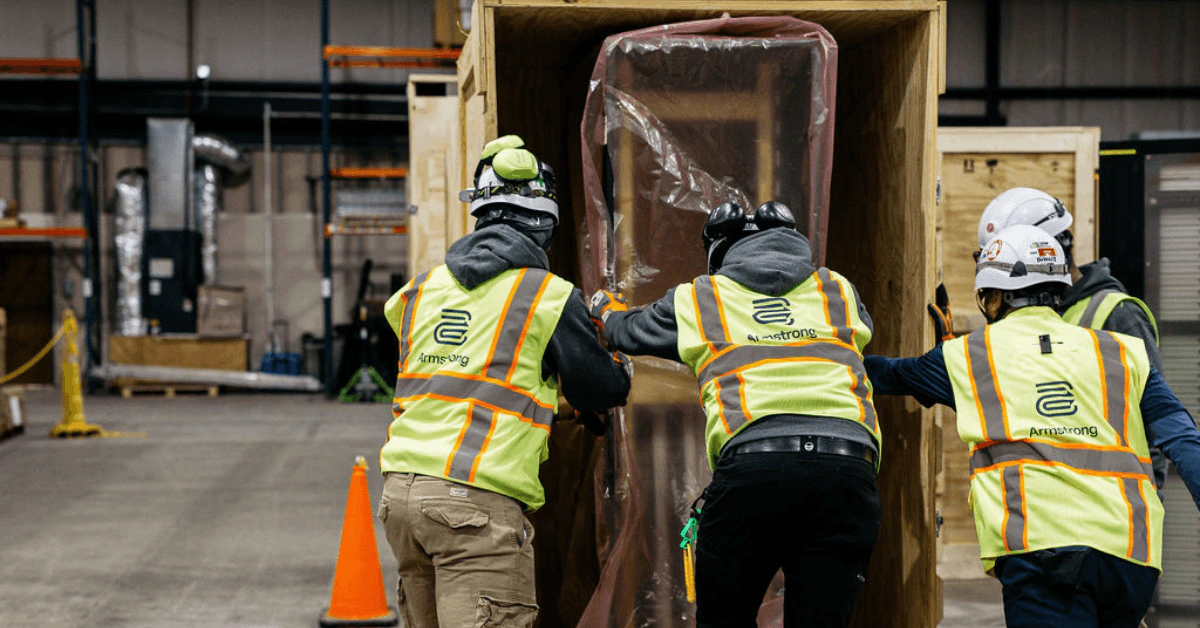
To get the best outcome, focus on more than the facility. Your timeline depends on what happens between secure storage and the jobsite. When you plan build-phase logistics, staging and sequenced deliveries early, you protect the schedule, reduce congestion and keep installation crews productive.
Why Sacramento Is On the Shortlist for California Data Center Growth
If you need capacity for AI-ready deployments and want flexibility for phased growth, the region offers practical options that support Bay Area operations and a long-term Northern California strategy.
Here’s why Sacramento rises to the top when you compare data centers in California:
More Room to Scale
You get more realistic options for land, expansion and phased campus planning than you do in many coastal markets.
Still Close to Bay Area Ecosystems
You stay within reach of Bay Area customers, partners and vendor networks, which helps with coordination and ongoing operations.
Stronger Demand for Disciplined Controls
As the state capital, Sacramento attracts public-sector and regulated workloads that require documentation, security practices and auditable processes during deployments and refresh cycles.
Higher Expectations for Chain of Custody
You often need sealed, trackable transport and clear accountability for high-value IT assets. Our experts support that with chain-of-custody transport and seal control designed for environments where speed and documentation both matter.
Data Centers in California: What Changes When You Build Here
When you compare data centers by region, California changes the equation. You face tighter resource constraints and higher expectations for resiliency and risk management.
Keep your focus on what you can verify during diligence and what you need to plan for before deliveries start, including how operators approach sustainability in Sacramento’s data center operations as demand and energy usage increase.
Risk and Resilience Expectations
Enterprise and public-sector workloads often require stronger controls around security, access and documentation. That standard carries into deployment execution, especially inbound materials and installation sequencing. You protect the schedule by treating logistics like a mission-critical workflow.
Expert solutions support that approach with uptime-focused processes designed to deliver materials in the right sequence.
Regional Tradeoffs
The Bay Area offers dense connectivity and an established ecosystem, but it also brings higher costs and tighter footprints. Sacramento and other inland markets give you more room to execute phased growth. You get the best results when you pair the site decision with logistics planning that keeps materials moving and crews productive.
The Practical Tradeoffs for Real Estate and Deployment Teams
If Sacramento is on your shortlist, use the tradeoffs below to confirm the site fits your budget, performance needs and deployment timeline.
Cost of Ownership
Sacramento often offers greater flexibility in footprint and site design because inland real estate and construction costs are typically lower than in tighter coastal markets. The key question is whether you can execute your rollout with disciplined planning and clean handoffs. Strong logistics planning helps you do that.
Latency and Proximity
Define requirements instead of chasing promises. Some workloads need tighter proximity to major network ecosystems, while others run well with resilient connectivity and predictable performance. Before you commit, map your applications to what they actually need.
Speed to Occupy
Focus on what you control. Permitting, utilities and construction timelines can shift, but you can keep deployment moving with a rollout plan that reduces friction on site.
Build your plan around:
- Staged deployments that match your install schedule
- Sequenced inbound shipments so crews can install instead of sorting freight
- Consolidated deliveries to reduce check-ins and dock congestion
- Secure staging that keeps the jobsite clear and prevents double-handling
Armstrong’s data center services support this execution by coordinating logistics and material flow to reduce jobsite congestion and protect your schedule.
Connectivity and Low-Latency Requirements
Data center operators describe network options in different ways. Treat connectivity as a diligence checklist so you know exactly what you get before you sign.
Fiber Paths and Diversity
Confirm redundancy and carrier options. Ask the operator direct questions about network resiliency and implementation, not marketing claims.
- What route diversity do you have, and how do you prove it?
- Which carriers are available on site today?
- How do you manage cross-connects and physical diversity within the facility?
Interconnection and Peering Expectations
Confirm ecosystem access. If your environment depends on specific interconnection models, validate how the operator supports them day to day.
- What is the cross-connect request and fulfillment process?
- What provisioning timelines should you plan for?
- What meet-me room policies affect installs, access and scheduling?
- What documentation do you provide for audit and change control?
AI-Ready Infrastructure Readiness: Power Density and Handling Implications
AI-ready deployments do not just change your rack layout. They change your move plan and your infrastructure requirements, especially as you scale into higher-density environments with higher energy usage.
High-Density Deployments Change the Logistics Math
Heavier equipment, higher-value assets and specialized packaging drive more frequent deliveries and tighter install windows. To support scalable infrastructure, you need high-security racks and server handling, plus serialized asset control, to protect critical equipment from the dock to final placement.
Environmental Control During Staging Matters
Phased deployments create a gap between the delivered and installed versions. Secure, climate-controlled warehousing helps you avoid jobsite pileups and reduce double-handling. Plan for restricted access, controlled storage conditions and routine integrity checks to keep your equipment deployment-ready when the install window opens.
Siting and Security: From Access Roads to Secure Staging
When comparing Sacramento data center options, do not limit siting to land and power. Include deployment logistics that affect day-one execution.
Location Fundamentals
When you evaluate data center locations, build access into your diligence. Ask practical questions before you commit:
- How do trucks enter and exit the site?
- What dock, staging and laydown space exists today?
- What is the safest path from delivery to placement for high-value equipment?
Pre-site surveys and path planning help you eliminate surprises that slow crews down and increase risk.
Risk Awareness
Use risk as an evaluation lens. Seismic and floodplain considerations should inform your site selection and your deployment plan. Keep it simple: confirm the site fits your risk posture and define the measures you use to manage local physical realities during delivery, staging and placement.
Secure Staging Strategy
If you run a rollout by phases or vendors deliver out of sequence, use nearby secure staging to stay in control and keep the jobsite clear. Look for restricted-access storage, rack staging and dedicated pre-fabrication space so you can stage and release equipment in the order your install plan requires.
Build-Site Logistics That Protect Schedule and Reduce Congestion
Projects succeed or fail based on how well you orchestrate materials, vendors and crews.
- Sequenced Delivery (JIT): Align deliveries to your install schedule so materials arrive in the order crews need them.
- Staging, Kitting and Consolidation: Use off-site staging and consolidated shipments to keep crews installing instead of sorting freight.
- Serialized Tracking and Reporting: Track assets and report status using serialized records to keep multi-vendor stakeholders aligned.
- High-Security Transport and Chain of Custody: Use GPS-tracked transport and seal-controlled chain of custody to protect high-value IT assets in transit.
- On-Site Support: Add task-specific on-site support and coordinated placement to reduce handoffs from the truck to the install location.
Choosing a Data Center Logistics Partner
When you narrow vendors, choose a partner based on how deployments actually fail: too many handoffs, jobsite congestion, low visibility and weak security controls. Use this BOFU checklist when you evaluate a data center relocation company or logistics partner for Sacramento and beyond.
1. One Accountable Partner from Transport to Placement
You reduce risk when a single team owns the flow end-to-end. Fewer handoffs mean fewer missed details and fewer schedule-breaking gaps.
2. Capacity to Scale with Phased Deployments
Phased rollouts require staging space, repeatable processes and the ability to manage inbound volume without clogging the site. Confirm the partner can support new builds, expansions and phased deployments at the pace your timeline demands.
3. Specialized Services You May Need
Match capabilities to your scope and confirm the partner actually provides them:
- High-security rack and server handling
- Tilt and shock monitoring with reporting
- Crane and rigging services
- E-waste and certified destruction for refresh or disposition
- Debris removal and site cleanup as build support
4. Transparency and Reporting Cadence
If you cannot see what is received, inspected, staged and delivered, you manage by guesswork. Require clear receiving and inspection documentation, consistent client reporting and portal visibility to keep your internal teams and vendors aligned.
Make Sacramento Work: Plan Logistics Like Infrastructure
Sacramento can be a strong choice in the California data center landscape if you need room to scale while staying connected to Northern California ecosystems. Still, you only capture that advantage when you plan logistics, such as infrastructure.
As you evaluate a Sacramento data center site or prepare a phased deployment, Armstrong helps you protect your schedule and reduce risk through secure warehousing, chain-of-custody handling with seal control, staged and sequenced releases, serialized tracking and reporting and on-site placement support from trained teams that understand data center requirements.
Discover Armstrong’s data center services today and let our experts align deliveries to your install schedule so your jobsite stays clear and your timeline stays on track.