A Guide to High-Density GPU Server Relocation
High-density GPU environments add weight, increased heat sensitivity, tighter tolerances and greater pressure on your schedule than traditional IT equipment. If you manage AI infrastructure, you need more than basic transportation. You need server relocation services that support complex IT relocation projects while protecting uptime, maintaining visibility, reducing handling risk and keeping your rollout or migration on track. In dense compute environments, secure server transport, careful staging and experienced high-security handling are key to a successful move.
Key Takeaways
- High-density GPU deployments require tighter coordination across facilities, vendors and deployment teams, as even small execution gaps can disrupt a larger AI infrastructure rollout.
- Serialized tracking, sequenced delivery and controlled staging help you keep equipment organized and ready for each phase of the move while improving project efficiency.
- Choosing a logistics partner with high-security handling experience and chain-of-custody controls helps you reduce operational risk during relocation and gives your company stronger oversight.
Why High-Density GPU Server Relocation Requires a Different Approach
When you move AI infrastructure, you are managing heavier equipment, tighter tolerances, stricter environmental requirements and more pressure on your deployment schedule than a standard rack move. That is why you need to build the move around the hardware and operating environment rather than treat it like ordinary freight.
If your relocation touches an entire data center footprint or a phased AI deployment, the planning requirements become even more demanding.
Mechanical Risk
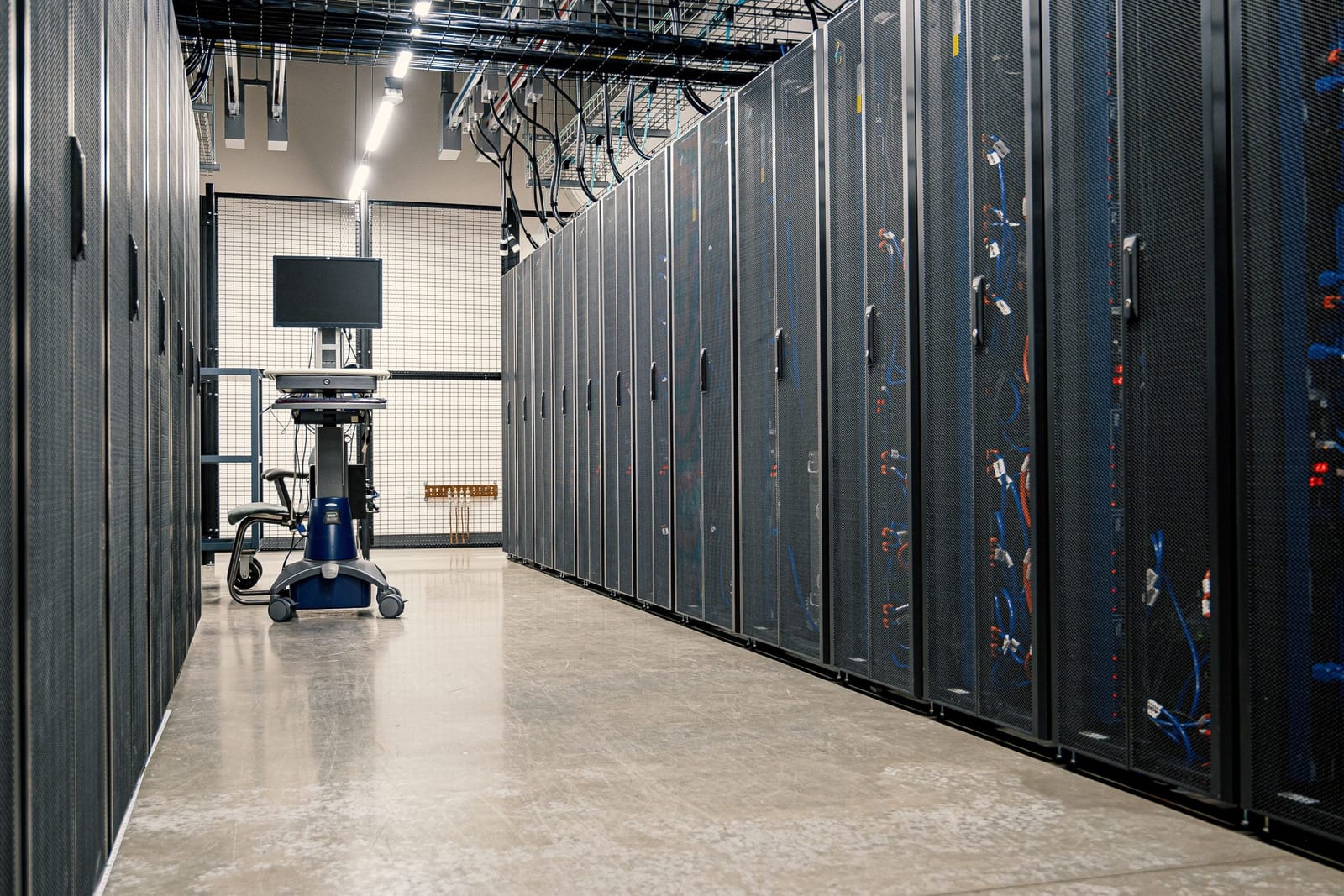
A dense GPU rack packs more computing power into a smaller footprint, increasing the weight per rack and raising the stakes during movement and placement. Many of these environments support scalable processors, high-density compute nodes and tightly integrated systems designed for maximum performance. You need to plan for physical constraints early because high-density infrastructure leaves little room for error.
Environmental Sensitivity
Your hardware also faces greater environmental risk during relocation. High-value GPU servers require controlled staging and storage conditions to reduce unnecessary exposure and protect equipment between project phases. Environmental considerations matter even more when your hardware supports demanding AI workloads that depend on stable conditions and consistent uptime.
Schedule Pressure
In AI operations, downtime affects more than daily productivity. It can delay training cycles, disrupt customer commitments and slow broader infrastructure programs. Your relocation strategy needs to support both the hardware and the schedule. It should also account for the different configuration options across your environment so your team can keep the project aligned from staging through final placement.
Planning the Move Before a Single Rack Rolls
The most successful GPU relocations start with strong planning. Before you move any equipment, you need a clear view of the route from origin to destination, the site conditions at both ends and the sequence required to keep the project on track.
Start With the Physical Environment
Before move day, evaluate the physical conditions that could affect handling and placement, including:
- Elevators
- Access corridors
- Loading areas
- Floor-load zones
- Final placement conditions
When you understand the site early, you reduce surprises and make better decisions about handling, staging and delivery. This upfront planning can also help you reduce costs by minimizing delays, rework and avoidable site disruption.
Maintain Asset Visibility From Staging to Delivery
In a high-density environment, you need more than a shipment confirmation. You need serialized visibility across receiving, staging, transport and destination handling. That level of control helps you keep equipment accounted for throughout the move and reduces confusion when multiple racks, support systems and vendors are involved.
Clear reporting also helps your team track equipment condition and readiness without having to chase updates across multiple parties. It also supports internal review and can simplify an audit trail for sensitive infrastructure moves.
Sequence the Move Around the Deployment Plan
GPU infrastructure often moves as part of a larger build, expansion or phased deployment. If equipment arrives too early, it can create congestion and security concerns. If it arrives too late or in the wrong order, it can delay downstream work.
A well-planned move should support:
- Staged delivery
- Kitting and sequencing
- Just-in-time arrival windows
- Alignment with installation schedules
When logistics follow the deployment plan, your site stays more organized and your team can work more efficiently.
Coordinate Stakeholders Early
Data center relocations rarely depend on a single team. Facilities, IT, vendors, carriers and on-site labor all shape the outcome. When you align these stakeholders early, you reduce handoff risk and create a more controlled execution model. That coordination becomes even more important when you are executing a move that affects multiple workstreams at once.
Specialized Handling for GPU Racks and Sensitive Server Hardware
Once the move begins, handling quality becomes critical. High-density GPU infrastructure requires a controlled process that protects sensitive hardware and reduces avoidable exposure during every phase of the move.
Use Trained, High-Security Handling Teams
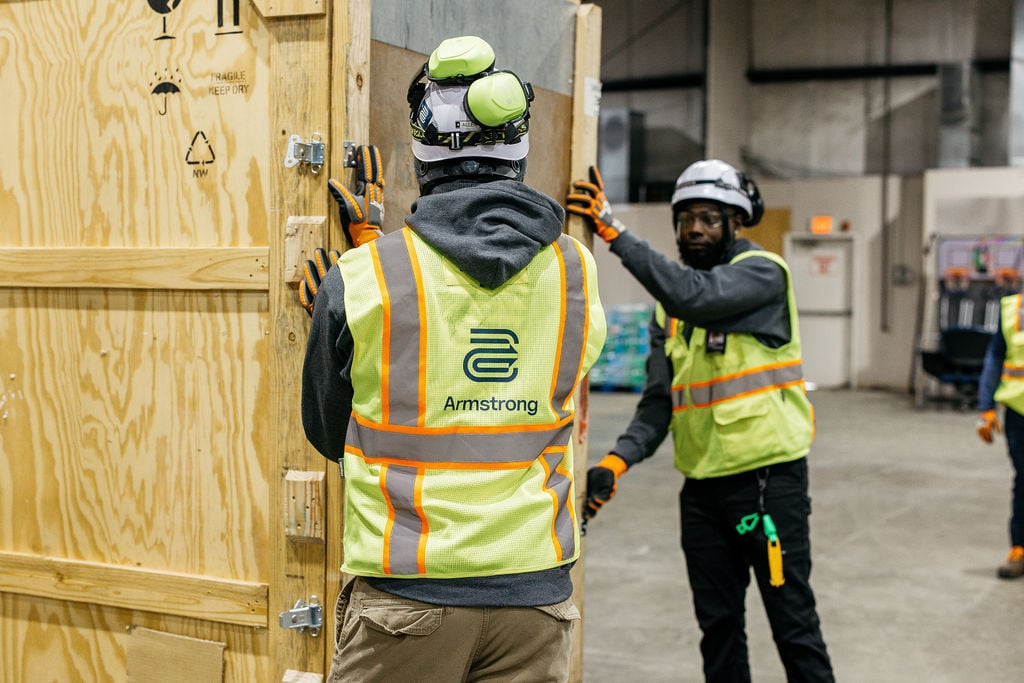
Dense GPU racks combine high density with sensitive internal components, making precision essential. When you work with teams that specialize in high-security rack and server handling, you reduce the risk of damage during movement, staging and placement. Skilled technicians and a well-prepared, experienced team can make a measurable difference in the quality and consistency of moves.
Track Tilt and Shock Conditions
Tilt and shock monitoring adds another layer of protection. Reporting gives you a measurable record of handling conditions throughout the move, which helps confirm that critical hardware moves within expected parameters.
Prioritize Controlled, White-Glove Delivery
White-glove delivery supports careful handoff, planned movement and controlled placement from the warehouse to the destination site. For your team, that means fewer avoidable handling risks during the most sensitive parts of the relocation.
Support Final Placement at Destination
The transition does not end when the equipment arrives. On-site placement support helps ensure your infrastructure is correctly positioned at the destination and ready for the next phase.
Secure Server Transport and Chain-of-Custody Controls
Secure server transport is one of the most important parts of any AI infrastructure move. If you are relocating high-value compute equipment, you need visibility, accountability and timing that support the rest of the project.
Keep Equipment Visible in Transit
GPS-tracked, monitored server transport gives you in-transit visibility and helps you keep stakeholders informed during national relocations, phased rollouts or time-sensitive moves.
Strengthen Chain-of-Custody
Chain-of-custody controls help protect high-value IT assets from origin through delivery. Seal-controlled transport supports stronger accountability and asset security throughout the move.
Align Delivery With the Right Window
Timing matters as much as physical security. Your server relocation services should support time-critical delivery windows that align with maintenance schedules, change-control requirements and installation timelines. When equipment arrives on time, your downstream teams can stay on schedule and protect business operations.
Look for National Reach When Scale Matters
If you manage regional expansions, phased deployments or multi-site infrastructure strategies, scale becomes another important factor. A provider with national coverage and a broad warehouse network can help you create more consistency across the relocation process and support relocation solutions at scale.
The Role of Staging, Warehousing and Controlled Environments
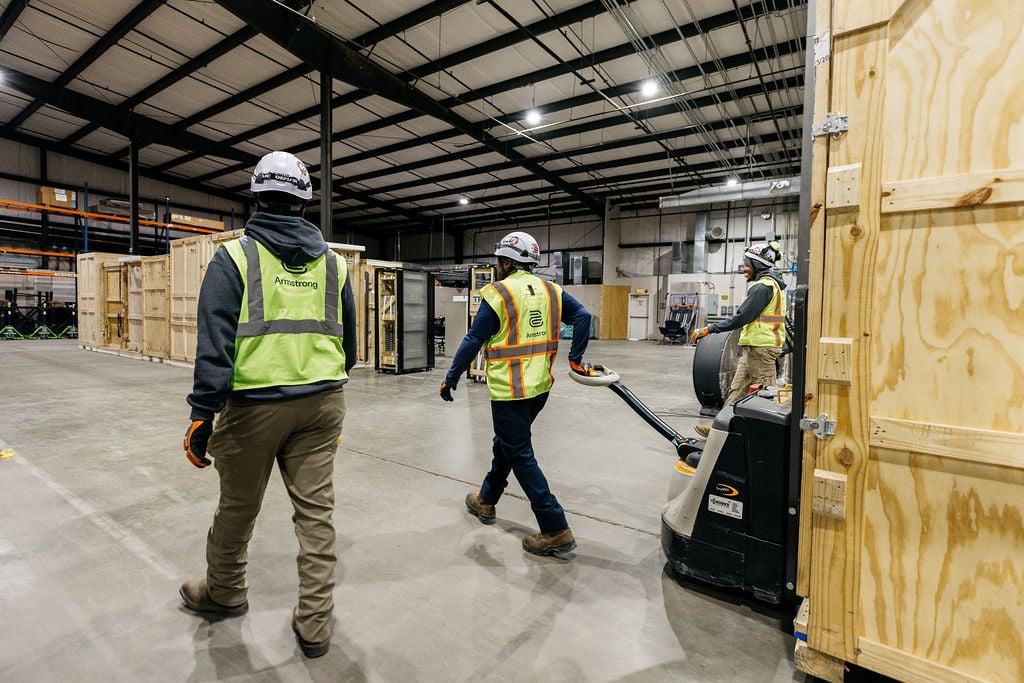
Staging can determine whether a relocation stays organized or starts to break down. In GPU server moves, controlled warehousing helps protect equipment, support phased projects and reduce confusion at the destination.
Use Controlled Staging for Temporary Holds
Organized staging gives you a secure way to hold equipment before final delivery or placement. Gaining control is especially valuable when your project includes:
- Phased delivery
- Temporary holding periods
- Coordination across multiple vendors
By keeping equipment organized in a controlled environment, you make site handoffs easier and reduce unnecessary confusion.
Protect Sensitive Equipment in Controlled Storage
Climate-controlled storage can play an important role when your move includes holding periods or staggered deployment windows. Controlled conditions help reduce environmental exposure and support better protection for sensitive equipment.
Regular environmental and integrity inspections add another level of oversight and help keep stored assets deployment-ready.
Use Receiving and Reporting to Maintain Control
Receiving, inspection and client reporting help you maintain visibility throughout the relocation lifecycle. When you can see where assets are, understand their condition, and confirm when they are ready to move, you can make better decisions and keep the project moving.
Reducing Downtime and Jobsite Disruption During Data Center Relocation
The best AI infrastructure relocation plans protect more than hardware. They protect your schedule, your site operations and your ability to keep the project moving.
Support Business Continuity and Site Readiness
In a GPU relocation, logistics directly affect deployment speed and operational readiness. A strong move plan supports uptime, protects schedules and reduces site congestion so your team can stay focused on execution. Coordinated labor, sequenced materials flow and site cleanup also help create a more controlled project environment, allowing your teams to work more safely and move faster during final placement and turnover.
What to Look for in Server Relocation Services
When you evaluate server relocation services for AI infrastructure, focus on the essentials. Look for thorough pre-move planning, serialized asset visibility, secure server transport, controlled staging and proven high-security rack handling. You also need a partner that can support sequenced delivery and on-site placement for mission-critical equipment.
High-density GPU server relocation requires a controlled process, not just transportation. Armstrong helps you manage that process with secure warehousing, monitored logistics, experienced handling teams and deployment-aligned support.
If you are planning a rollout, migration or phased deployment, explore Armstrong’s data center services and move high-value infrastructure with more control and less disruption.