Secure Strategic Staging: Warehousing & Pre-Fabrication for Data Center Deployment
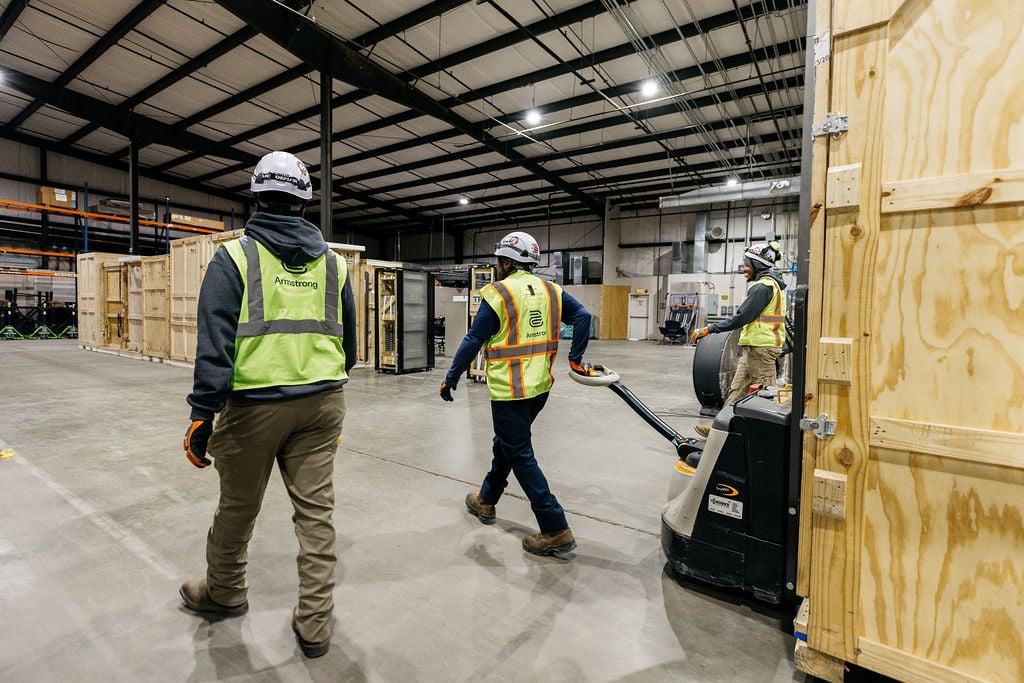
If you think of a warehouse as a place where equipment simply waits, modern data center deployment calls for a different approach. Today, the warehouse plays an active role in readiness, helping you move preparation work off-site so you can manage timing, material flow and site access more effectively across your infrastructure network.
Logistics efficiency matters because projects rarely lose momentum due to a single major failure. More often, delays build through everyday friction: early deliveries, crowded staging areas, misplaced components and crews waiting on the next handoff. Strategic staging helps you create a more controlled flow from receipt to storage to final delivery, so your site stays focused on installation instead of sorting and overflow.
Key Takeaways
- Strategic staging helps you create a more controlled deployment flow by moving preparation work off-site before equipment reaches the jobsite
- Strong data center warehousing solutions rely on security, environmental protection and serialized visibility to keep critical assets deployment-ready
- The right warehousing partner helps you connect staging, kitting and final delivery in a way that supports cleaner site operations and better coordination for your team and your customers
Why Strategic Warehousing Matters for Modern Builds
The larger and more complex your deployment becomes, the greater the risk posed by reactive shipping. A crowded jobsite slows labor, increases handling risks and makes coordination across trades harder. For infrastructure managers and facility operations leaders, the challenge is clear: how do you keep the site moving without turning it into a holding area for inbound assets?
The answer starts with moving as much preparation as possible away from the active build environment. A strategic warehousing model supports material flow, keeping your site focused on installation rather than sorting, staging or storing overflow equipment. That matters whether you are managing a new build, an expansion or a phased deployment, where the timing of each handoff affects the work that follows.
Strategic warehousing also helps protect the schedule in practical ways. It is not just about having space. It is about using that space to support:
- Sequencing
- Inspection
- Asset accountability
- Deployment readiness
When materials move to the site in the order the build actually requires, you reduce bottlenecks and give your crews a cleaner, more predictable workflow. That stronger flow supports better operational reliability and helps your company stay on track as deployment demands grow.
What Data Center Warehousing Solutions Need To Do Today
Not every warehouse can support mission-critical infrastructure. Standard storage may hold product, but it does not automatically support deployment readiness. Data center warehousing solutions need to do more than provide space. They need to maintain control across the entire staging process.
Security Comes First
For high-value IT assets, the environment matters long before equipment reaches the data hall. Secure, restricted-access storage and monitored facilities help reduce exposure, limit unnecessary touches and support a more disciplined flow from intake through deployment. That level of control also supports stronger compliance practices for organizations handling sensitive infrastructure.
Environmental Protection Matters Too
Sensitive hardware cannot sit in just any building without risk. Climate-controlled storage solutions, along with regular environmental and integrity checks, help preserve equipment readiness and ensure the warehouse functions as an extension of deployment quality control rather than as overflow space.
For many teams, that also supports broader operational goals around energy efficiency, equipment protection and long-term power stability.
Visibility Keeps the Project Moving
Large builds often involve multiple vendors, high inbound volume and components arriving on different timelines. Without strong asset visibility, real-time visibility, reliable inventory management and clear data integrity across tracking systems, small delays can quickly turn into larger coordination issues.
Clear warehousing processes should help you track:
- Incoming materials
- Inspected assets
- Staged equipment
- Items ready for the next move
That level of visibility becomes essential when schedules are tight and deployment phases depend on accurate handoffs. It is also critical when you need to track high-value devices and maintain confidence in deployment readiness.
How Off-Site Staging Reduces Congestion and Protects the Schedule
Why Jobsite Congestion Creates Risk
Once a site becomes congested, productivity drops quickly. Crews lose access to work areas, equipment gets moved more than once and deliveries arrive before the team is ready. Each issue adds friction, and together they can push a tight schedule off course.
How Off-Site Staging Improves Flow
Off-site staging helps you avoid that pattern by shifting preparation work upstream. Instead of using the jobsite to sort, group and organize materials, you handle that work in a controlled warehouse environment. That creates a cleaner handoff to the site and improves the chances that materials arrive ready for the next phase rather than becoming another on-site task.
Better Coordination Across Vendors and Trades
This approach also improves coordination across vendors and trades. When equipment arrives from multiple sources at different times, strategic staging provides a place to consolidate, inspect and organize materials before final delivery. That keeps complexity from landing directly on the jobsite and helps the build move forward with fewer interruptions.
What Happens Inside a Data Center Warehouse
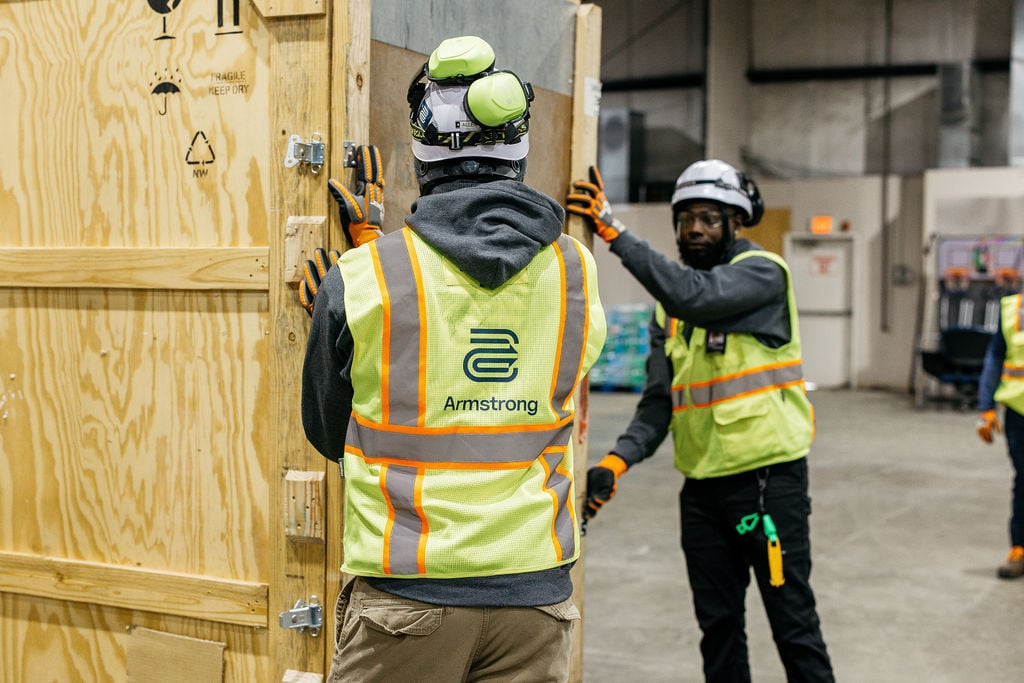
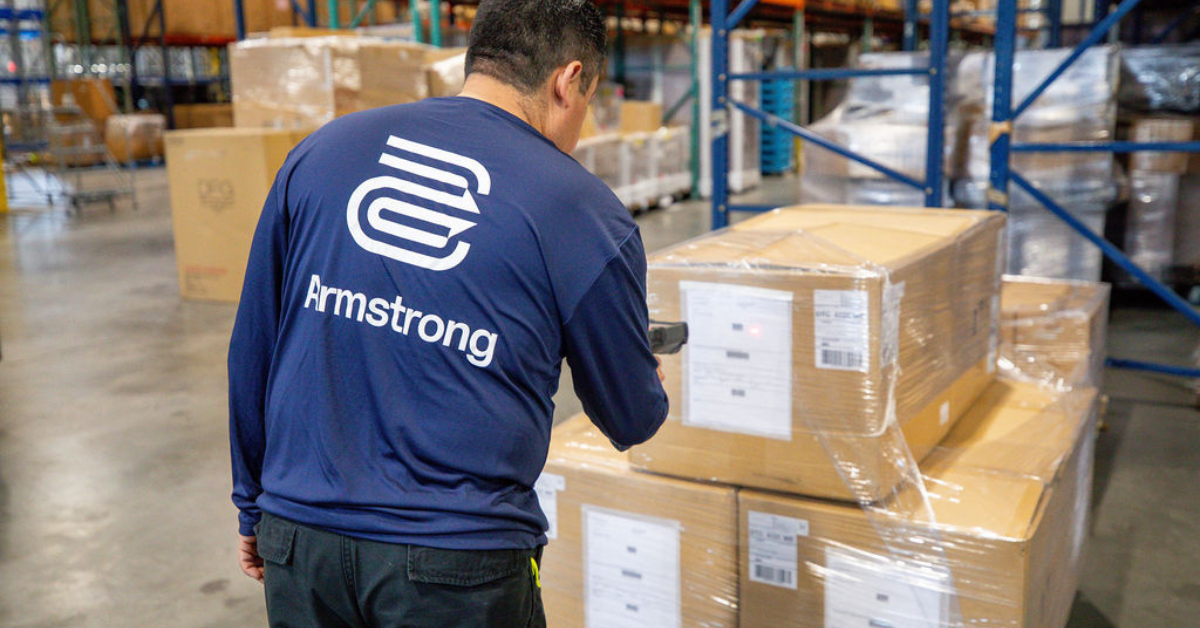
A strong warehouse process starts with intake. Equipment arrives, gets received, inspected, documented and entered into a controlled tracking system. That may sound simple, but when deployment timelines are tight and asset counts are high, intake accuracy becomes critical. If you cannot trust the intake process, you cannot trust the deployment sequence that follows.
From Intake to Deployment Readiness
After intake, staging and kitting, create a structure. Materials should be grouped by how they will be used on the jobsite, so the jobsite receives equipment that supports the build’s pace.
That process helps you move from:
- Receipt and inspection
- Organized staging
- Project-specific kitting
- Sequenced delivery to the site
Dedicated pre-fabrication space adds another layer of readiness by moving preparation activities off-site and keeping active build areas less crowded. For infrastructure and facility teams, that helps preserve access, reduce confusion and simplify deployment day.
Connecting the Warehouse to the Jobsite
Even the best staging plan falls apart if you mistime the final move to the site. Warehousing only works when logistics and site-readiness support connect directly to the deployment plan.
That means controlling not just where assets sit, but when and how they move. When delivery timing matches site conditions, you reduce disruption and support a smoother transition from storage to installation. Just as important, secure transportation helps protect high-value assets in transit and keeps the deployment process aligned from warehouse floor to jobsite.
What That Connection Should Include
A strong handoff from warehouse to site depends on several factors working together:
- Tracked transport for visibility in transit
- Secure chain-of-custody controls for high-value assets
- Just-in-time delivery aligned with install schedules
- Pre-site surveys and path planning before arrival
- Coordination around maintenance windows and change control
This approach becomes especially important during phased deployments and expansions, where access windows are narrow, and installation sequences cannot slip without affecting uptime or downstream work.
Once the site is ready, the handoff should continue beyond the dock. A connected process from the warehouse floor to final placement creates a more consistent deployment experience and reduces the friction of managing disconnected partners.
Why Scale Changes the Equation
Operational scale is not just a selling point. It directly affects the resilience of your deployment strategy. When you support phased rollouts, large inbound material volumes or multi-site deployments, scale gives you more flexibility to plan around project realities.
A broader footprint and larger warehousing capacity can help you:
- Support deployments across regions
- Manage higher inbound volume without losing visibility
- Stage materials for phased rollouts
- Coordinate across multiple vendors more effectively
For supply chain leaders, that flexibility matters. It gives you room to build around actual project needs instead of forcing the project to work around limited storage capacity or fragmented support.
Who Benefits Most From Strategic Staging
Strategic staging creates value across the data center organization, but the benefits show up differently depending on your role and the level of technical expertise required to keep deployment moving.
- Infrastructure managers gain better visibility, sequencing and earlier deployment readiness
- Supply chain VPs gain stronger material flow, tighter accountability and more scalable coordination across vendors, markets and deployment phases across complex data center supply chains
- Facility operations directors gain reduced congestion, more predictable site access and a clearer connection between delivery timing and jobsite readiness
In every case, the goal stays the same: turn the warehouse into a controlled operating environment that improves reliability and protects the project, rather than becoming another source of friction.
Where Better Deployments Begin
A data center warehouse should help you create a controlled, organized path from receipt to final placement. When you use warehousing strategically, you reduce jobsite clutter, improve material flow and strengthen asset accountability before infrastructure ever reaches the floor.
That matters even more as data infrastructure grows denser and deployments become harder for teams and professionals to coordinate. You need a warehousing strategy that supports secure storage, environmental protection, serialized visibility, disciplined staging and well-timed delivery to the site, all of which contribute to stronger operational performance.
If your current deployment model still treats warehousing as an afterthought, it may be time to rethink its role. The right approach does not just store equipment. It helps your project arrive ready and gives your business a stronger foundation for long-term growth.
Ready to strengthen your next deployment? Explore Armstrong’s data center logistics services and support your business as it scales.