
Must-See Historical Sites for Retirees to Visit in Lancaster
Are you looking for a place to retire that's rich in history, natural beauty, and vibrant community life? Look no further than Lancaster, Pennsylvania. This gem in the heart of Amish Country offers a perfect blend of past and present with plenty of exciting things to see, making it an ideal destination for retirees. Lancaster's story stretches back to 1729, when it was founded by English settlers. Since then, it's been a witness to America's growth, playing significant roles in colonial times, the Revolutionary War, and beyond. Today, it's a thriving city that hasn't forgotten its roots. For retirees, Lancaster is more than just a history lesson. It's a place where you can stay active, engage with a welcoming community, and enjoy a high quality of life without breaking the bank. Let's explore what makes Lancaster so special. Downtown Lancaster Your journey through Lancaster County starts right in the heart...

Finding Your Active Life: Retirement Communities in Lancaster County, PA
As you transition into the next chapter of your life, finding a community that supports an active and fulfilling lifestyle is likely a top priority. If you’re living in Pennsylvania, Maryland, or parts of New Jersey, Lancaster County should be on your radar. This principal city in southeastern Pennsylvania offers a unique blend of historic charm, scenic landscapes, and a vibrant community spirit—making it an ideal destination for active adults seeking a rewarding retirement experience. But what exactly sets Lancaster County apart? Discover why this region might be the perfect place for your active and social golden years. A Feast for the Senses: Culture and Entertainment in Lancaster City Lancaster City, the vibrant County seat, serves as the County's heart and soul. This walkable city is steeped in history dating back to the 1700s and showcases its colonial past through well-preserved architecture. History enthusiasts will find the Landis Valley Village...

Senior Moving Checklist: 3 Essential Tips for a Smooth Transition
Moving is one life experience that many will experience at least once in their lifetime. At one time or another, we packed up our belongings and set off for a new place to call home. Whether the move was just across town, to a nearby city or an entirely different state, no matter the distance or size of the residence, the moving process can be arduous. Moving a senior family member or other loved one adds another layer of responsibility. Seniors have unique needs related to health, mobility, and more. Relocation and downsizing for seniors At the height of the pandemic, many families decided to move their senior loved ones out of senior living facilities and into family homes. While intergenerational homes in the United States are not new, their prevalence has grown fourfold since the 70s. It's no surprise, as stats show that many seniors prefer to age in...
The Challenges and Opportunities of Opening a Senior Living Facility in Raleigh
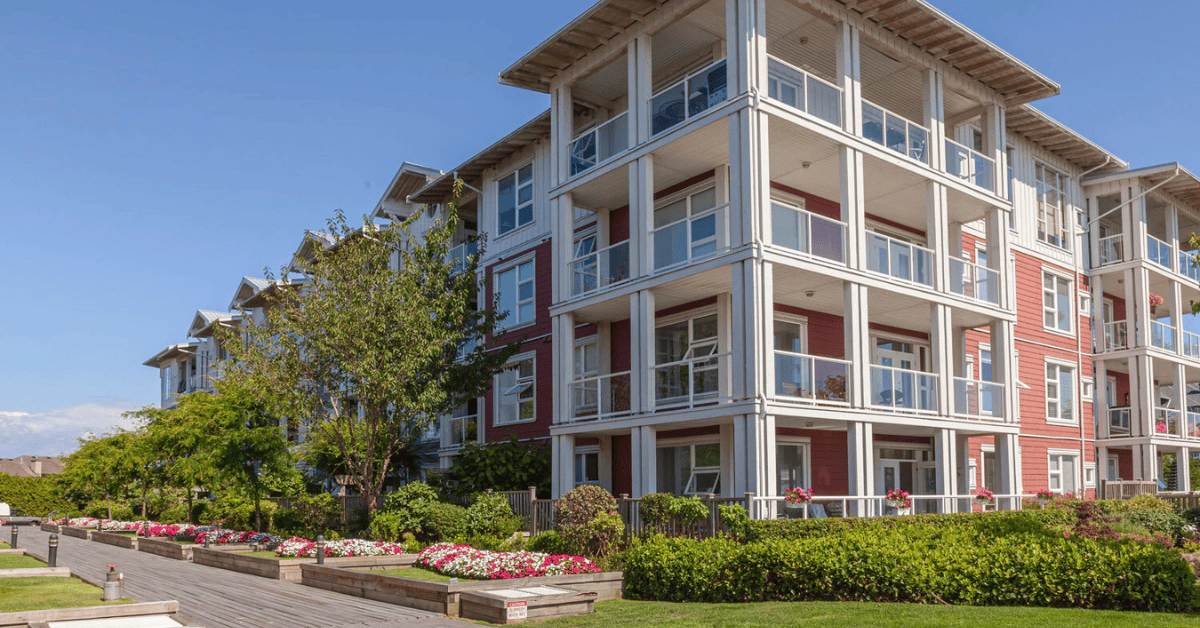
Low cost of living, mild climate and quality of life factors such as arts, culture, entertainment and transportation make the Raleigh area highly attractive to retiring seniors. The recent boom in new and renovated senior living communities is evidence that investment in this economic sector is strong. The Raleigh-Durham area is now home to over 100 senior living communities, ranging from active, independent living to more specialized care like skilled nursing or memory care facilities. Opening a new senior living facility in Raleigh may be more complex and challenging than bringing a standard residential community online. Even if you’re just renovating an existing facility or converting a traditional apartment complex into a senior living community, there are several factors to consider: Regulations Bringing a new senior living facility online comes with a host of red tape. Stay on top of the requirements for your area of specialty. Maximize your access...

7 Tips for Renovating a Senior Living Community
The senior living industry is gearing up for explosive growth. In the fourth quarter of 2021, continuing care retirement communities reached 85.7 percent occupancy, according to Ziegler Investment Banking. As the United States population ages, the sector has the potential to reach even higher occupancy rates in the next decade. The NAIOP projected that the 75-and-older age group in the U.S. will increase by 76 percent from 2020 to 2035, creating new demand for senior living. For some senior living communities, renovating or rehabilitating the facilities is critical to preparing for this growth. Roughly 58 percent of senior living communities are more than 20 years old, according to the National Investment Center. Renovations allow property managers to upgrade their facilities, provide better support for current residents, attract new members and signal a change in ownership or services. Here are seven ways to prepare for a successful renovation. Gather feedback from...

What You Need to Know: Moving Seniors into a Living Facility
There comes a time to discuss living arrangements for the elders of our family. Family members of those moving have asked, “What can I do to alleviate moving complications?” This time can be challenging and stressful. Moving symbolizes a new chapter in life. A welcome or unwelcome transition, it is important to understand the journey ahead for both you and your family and make the right preparations in advance. If you've recently visited relatives or have growing concerns over a senior in your family, we have identified common challenges and tips to make the seamless transition to the senior living community. The age of adults moving into these facilities is becoming younger. For most assisted living facilities, ages 62+ can move in. This continuing trend of younger individuals might suggest it is time to further consider when the move is right. In the United States alone, approximately 1.4 million people...
Interested in joining the Armstrong family ?