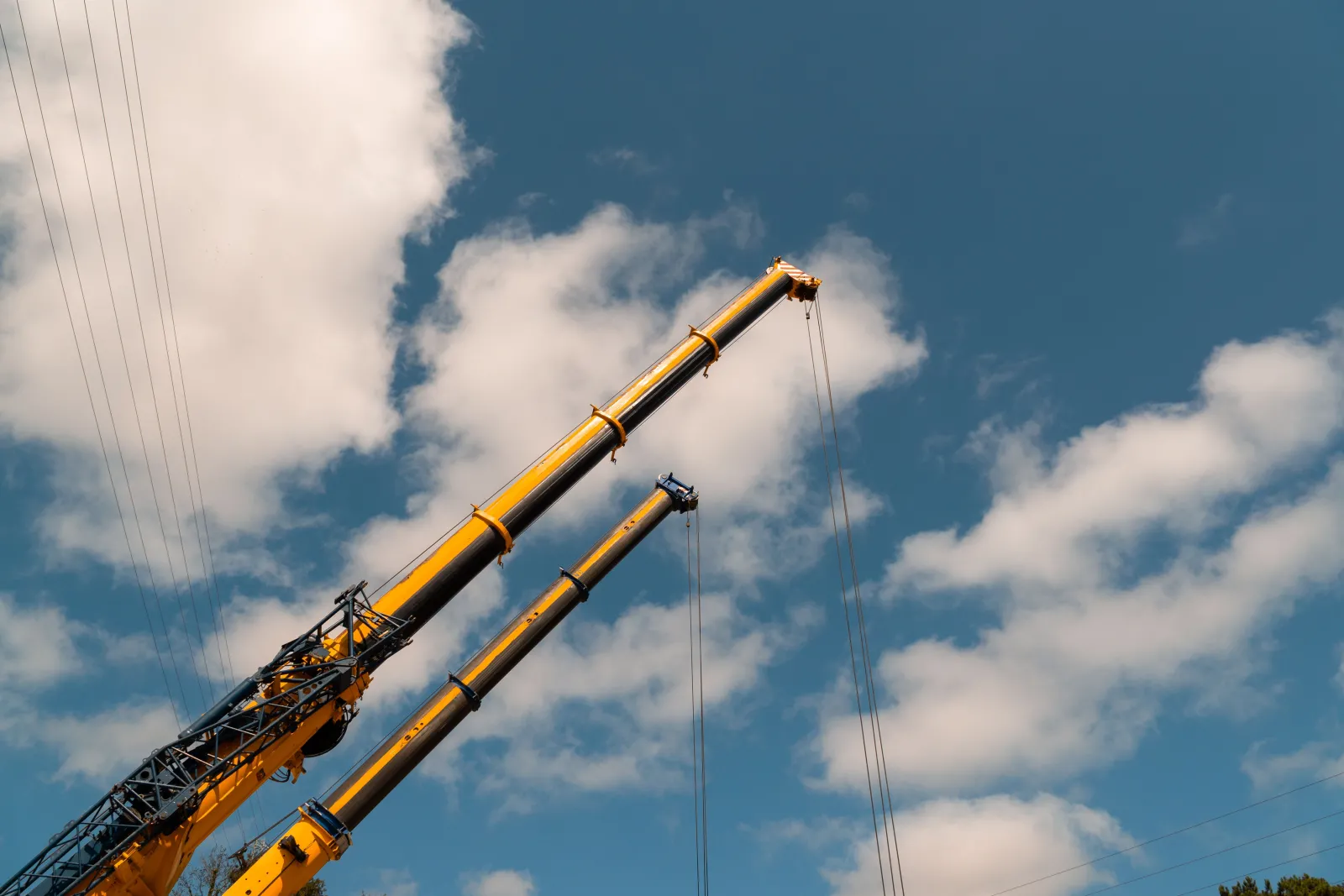
Heavy Lift & High Stakes: Selecting Machinery Rigging Partners
When equipment is heavy, high-value, sensitive or tied directly to an installation schedule, every handoff matters. A late delivery, a blocked access point, an unclear lift plan or a mismanaged staging area can delay work across the entire build. That is why choosing the right heavy machinery partners is not just a transportation decision. It is a project control decision. For site superintendents, MEP contractors, infrastructure managers and construction leaders, the right machinery moving partner brings structure to high-stakes work. For complex deployments, this organized approach ensures that equipment moves safely, efficiently, and precisely on schedule. Armstrong provides a single-partner solution for secure transport, rigging and placement, helping reduce congestion, protect critical equipment, coordinate heavy lifts in real-world jobsite conditions and keep mission-critical infrastructure moving safely toward final placement. Key Takeaways The right heavy machinery logistics services protect project timelines by coordinating transport, rigging, staging and placement in line with...
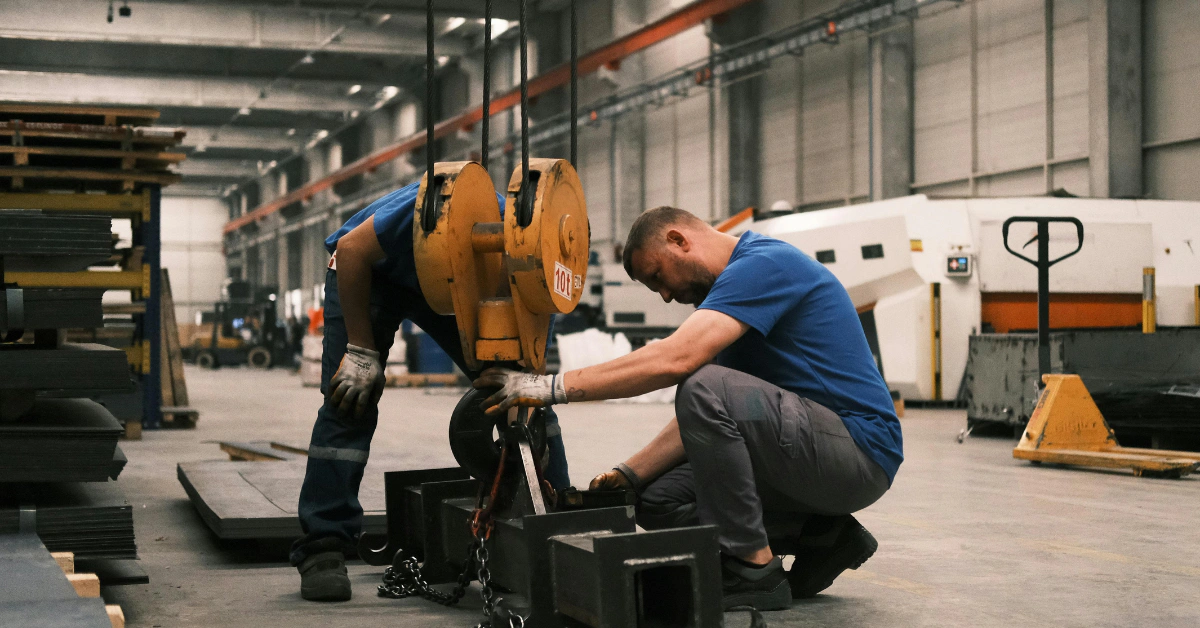
Moving Heavy Industrial Equipment in Austin: Key Considerations
Over the past decade, Austin and the broader South Central Texas region have experienced rapid industrial growth. From large-scale telecommunications expansions to booming commercial construction and infrastructure upgrades, the area has evolved into a major hub for development. With this expansion came the need to move heavy industrial equipment. Successfully moving heavy objects requires careful planning and coordination. From navigating dense construction zones to complying with local regulations, even small missteps can lead to delays, added costs or safety risks. This blog highlights key considerations to help ensure a smooth move, no matter the size or scope of your project. 1. Know What You’re Moving When planning an industrial move, the first step is understanding exactly what’s being transported. Different types of equipment have different requirements for handling, packaging, and delivery. Some common examples include: Telecommunications equipment – Often large, sensitive and valuable; may include data center racks, cabling, antenna...

How to Choose a Logistics Partner in Sacramento to Keep Your Data Center Online
The AI-driven data center industry is growing rapidly, driving power consumption to record levels. As artificial intelligence models demand massive computational resources, data centers are facing rising energy demands, increasing costs and limited space. To keep operations running smoothly, it’s more important than ever to partner with a logistics provider that can efficiently handle the storage, delivery, removal and disposal of lithium-ion batteries—the foundation of uninterrupted power supply (UPS) systems. Data centers in Sacramento are increasingly exploring sustainable solutions like solar energy storage to enhance backup power systems. However, efficiently managing backup energy infrastructure requires more than just good planning—it requires the right logistics partner. A provider with expertise in warehousing, inventory management and just-in-time delivery ensures a steady energy supply, minimizes downtime and optimizes overall operations. Here’s how to choose the right logistics provider to support your data center’s growing power needs. Why Data Centers Need a Strong Logistics...
Interested in joining the Armstrong family ?