Everything You Need to Know About Storage in Transit
It’s no secret that most Americans have more stuff than space. An average household in the United States has 300,000 things, according to the Los Angeles Times. The Times also reports that more than 25 percent of families with two-car garages use them for storage, not cars. Every home represents a lifetime’s worth of belongings. When moving to a new home, most people need extra time and room to get all their belongings from one destination to another. That’s where storage in transit (SIT) comes in handy. Here’s what you need to know about this value-add service before your next relocation. What is storage in transit? Moving companies offer storage in transit as a short-term option for people who need to clear their current home of belongings but aren’t yet prepared to settle into their new residence. Rather than racking up charges with a self-storage unit, you can ask your...

4 Retail Trends to Watch in 2022
The retail industry is proving its resilience by reporting solid earnings and optimistic outlooks for 2022. Despite supply-chain and inflationary pressures, big-box, wholesale and e-commerce retailers have announced new store openings, growth strategies and shopping experiences. Here are four trends experts are watching in the retail landscape. Brick-and-Mortar Shopping Bounces Back After the pandemic upended the global brick-and-mortar sector, physical stores appear to be making a comeback. Fueled by a seven percent year-over-year rise in retail sales, brick-and-mortar retailers performed better than their online competitors in March 2022 — the first time since COVID-19 emerged, according to the National Retail Federation (NRF). The NRF reported that U.S.-based retailers announced plans to open more than 4,000 brick-and-mortar stores in the first quarter of 2022 and close only 635 locations, compared to the 2,100 store closings in the first quarter of 2021. Experts predict a sunny forecast for clothing and apparel stores...
BBF Global Logistics Joins Armstrong Relocation & Companies
BBF Global Logistics, LLC ("BBF"), a Memphis-based transportation brokerage company, has joined Armstrong Relocation & Companies ("Armstrong")—an industry-leading provider of moving, relocation and supply chain solutions. This transaction elevates BBF's portfolio of services through the additional resources Armstrong has to offer. While many businesses were focused on remaining operational through the pandemic, BBF President Alexander Folk launched the logistics firm in June 2020 with co-founders William Melford and Nick Bogdanovic. All three businessmen brought different areas of logistics expertise to the company. "We each have a good pulse of what is going on in the logistics industry and what issues people are experiencing, so we were confident going into this, even during the pandemic," Folk said. Since inception, BBF has experienced significant growth. "We look forward to expanding our transportation management and brokerage model, as well as customer solutions with Armstrong-owned assets," said Folk. Todd Watson, CEO of Armstrong Relocation & Companies commented, "As Armstrong is seeking to...
5 Common Uses for Commercial Storage
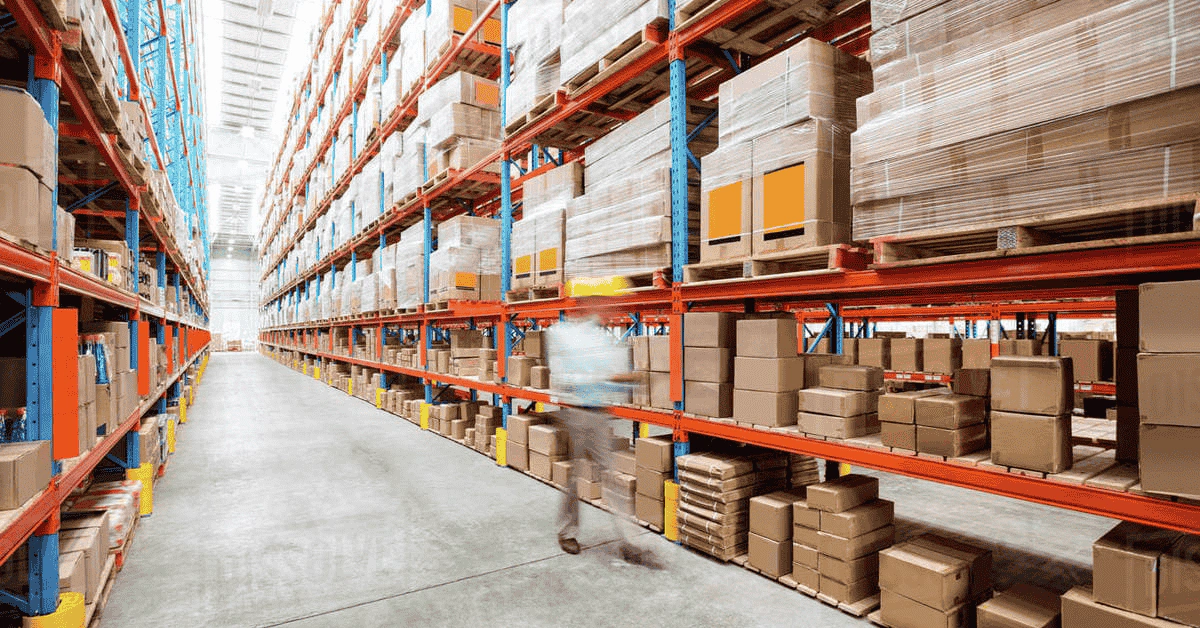
During the COVID-19 pandemic, commercial storage became instrumental to the short-term plans of companies in flux. As businesses adopted remote-friendly workplaces, commercial storage preserved companies’ office equipment, files and furniture. But many companies are not new to commercial-storage — storage solutions have already been foundational to their success for decades. Here are five ways that industries have historically leveraged commercial storage space to stay agile amid changing trends. Fulfilling nationwide e-commerce orders In many industries, e-commerce has replaced brick-and-mortar retail as consumers’ shopping avenue of choice. As a result, e-commerce businesses are snapping up vacant warehousing space to keep up with fulfillment. A recent report by The Business Research Company found that worldwide warehousing usage has accelerated because of a boom in e-commerce orders and an increasing demand for speedy deliveries. E-commerce giants not only rely on commercial storage for available inventory, they also depend on third-party logistics companies (3PLs)...

A 3PL’s Guide to the US Warehousing Shortage
As consumer demand continues to put the squeeze on the global supply chain, warehouses around the country are rapidly reaching capacity. The Wall Street Journal reported that the average industrial vacancy rate in the United States recently fell to 4 percent, the lowest rate on record. While the U.S. used 800 million square feet of industrial storage space in 2020, companies used more than 1 billion square feet by December 2021. With companies forced to compete for remaining space around the busiest national ports, warehousing rental prices are rising to new heights. Rental rates for industrial space increased in 2021 by more than 10 percent year-over-year, according to real-estate firm CBRE. Approaching the holidays, businesses are seeing an abnormal seasonal surge escalating the already-severe warehousing and supply-chain issues. Here’s what you need to know about the root causes of the space shortage and why companies are turning to third-party logistics...
Top 3 Industries That Depend on 3PL Services
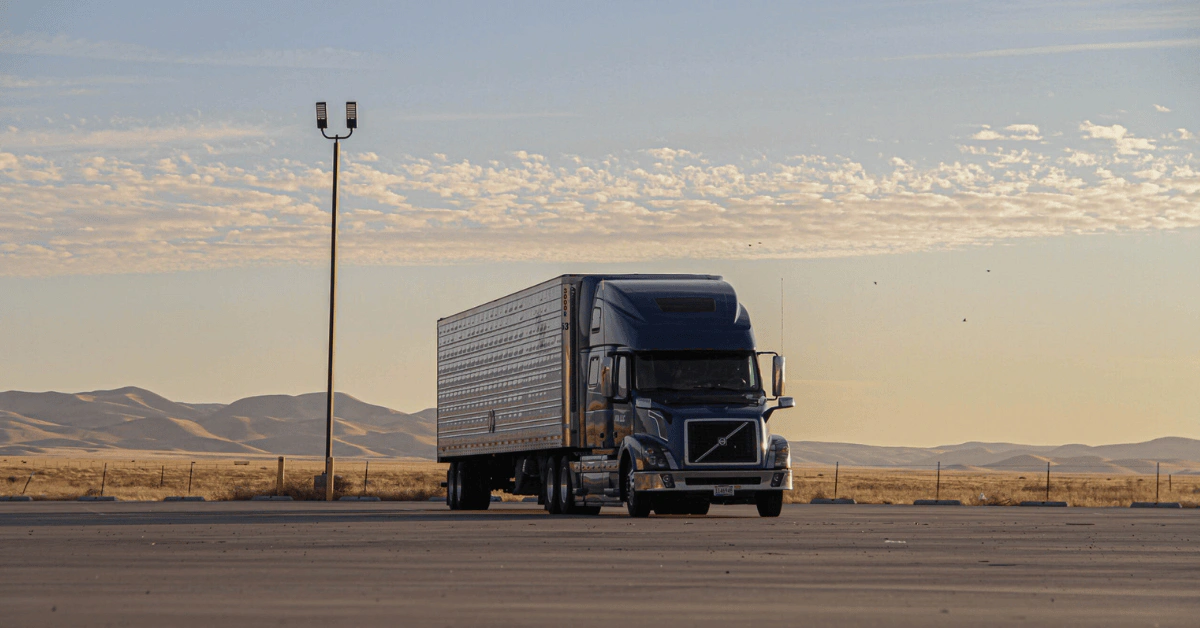
Third-party logistics providers (3PL) drive growth in many of the country’s top industries. Companies turn to logistics partners when they are preparing to scale their operations. Instead of managing their new warehousing and fulfillment needs in-house, they outsource some or all of their logistics to a 3PL. A successful 3PL partnership gives companies teams of experts, networks of assets and decades of experience, all at their disposal. Though a wide range of businesses depends on 3PL services, outsourcing warehousing and logistics is increasingly necessary in three industries. 1. Manufacturing Downtime is deadly in the manufacturing industry. Without all of the necessary personnel and parts, the whole supply chain can quickly fall apart, causing detrimental losses in revenue and retention. Third-party partners keep production on schedule and budget by ensuring materials and product get from their points of origin to their final destinations. With nationwide footprints and expansive asset-networks, logistics providers...
Case Study: Armstrong’s 3PL Services Help Leasing Company Meet Rising Demand
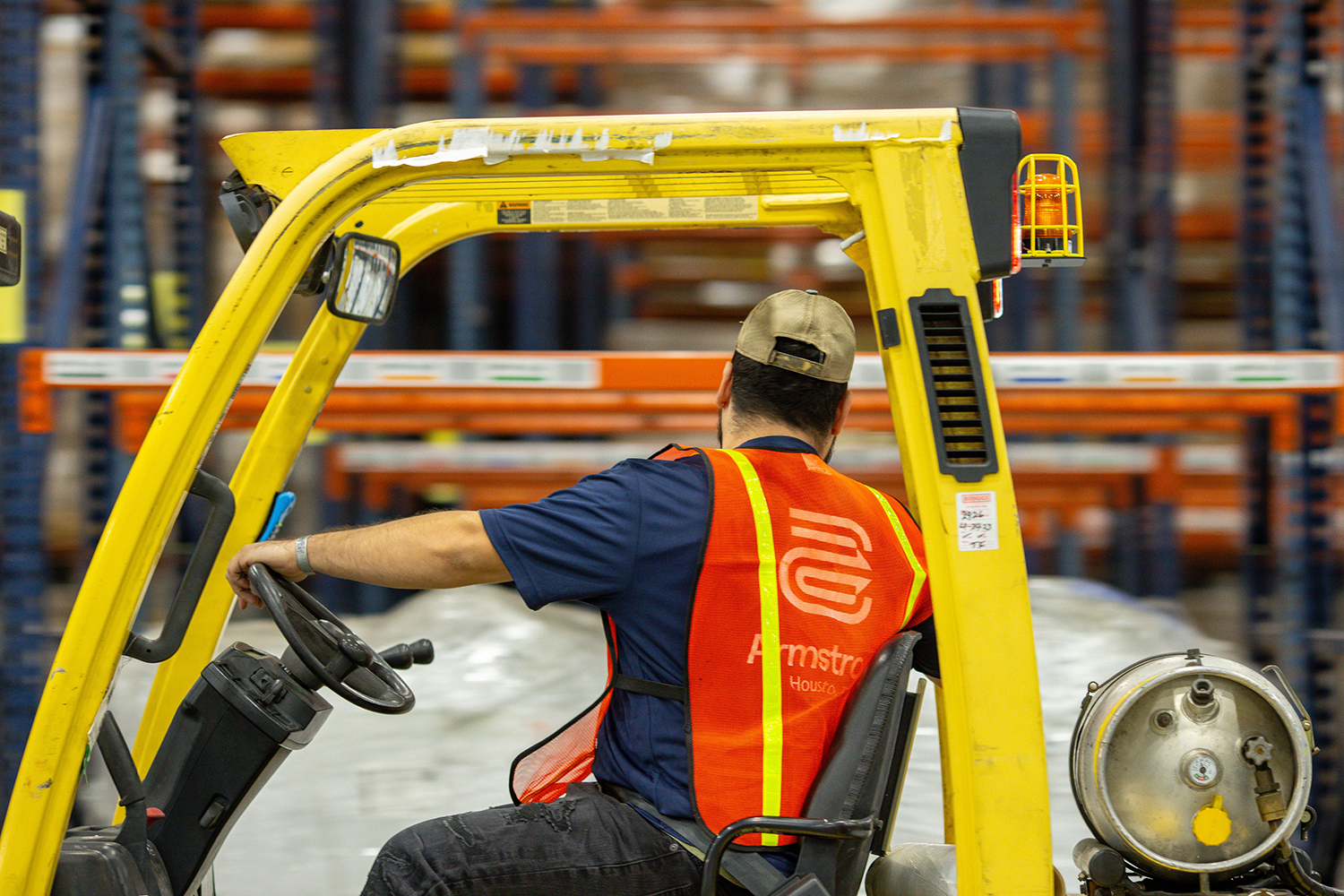
As working arrangements became more flexible in the wake of COVID-19, so did apartment living. With the new freedom to clock into work from anywhere in the country, people wanted a way to experience new locations without being tied down by extended leases, fees or application processes. Landing provides a modern solution for this emerging lifestyle. With an annual subscription, Landing members gain access to a national network of fully-furnished apartments that they can rent in minutes without long-term commitments. During the pandemic, the demand for Landing’s model exploded. In May 2020, its new-member enrollment increased 210 percent month over month, according to Inman. In order to keep up with the rapid growth, Landing needed a third-party logistics provider (3PL) to help receive, store, deliver and install the furnishings for every booked apartment. Armstrong – Houston had the assets and expertise to help Landing successfully scale. Armstrong’s Role When a...
Why You Should Outsource Your Warehousing and Distribution
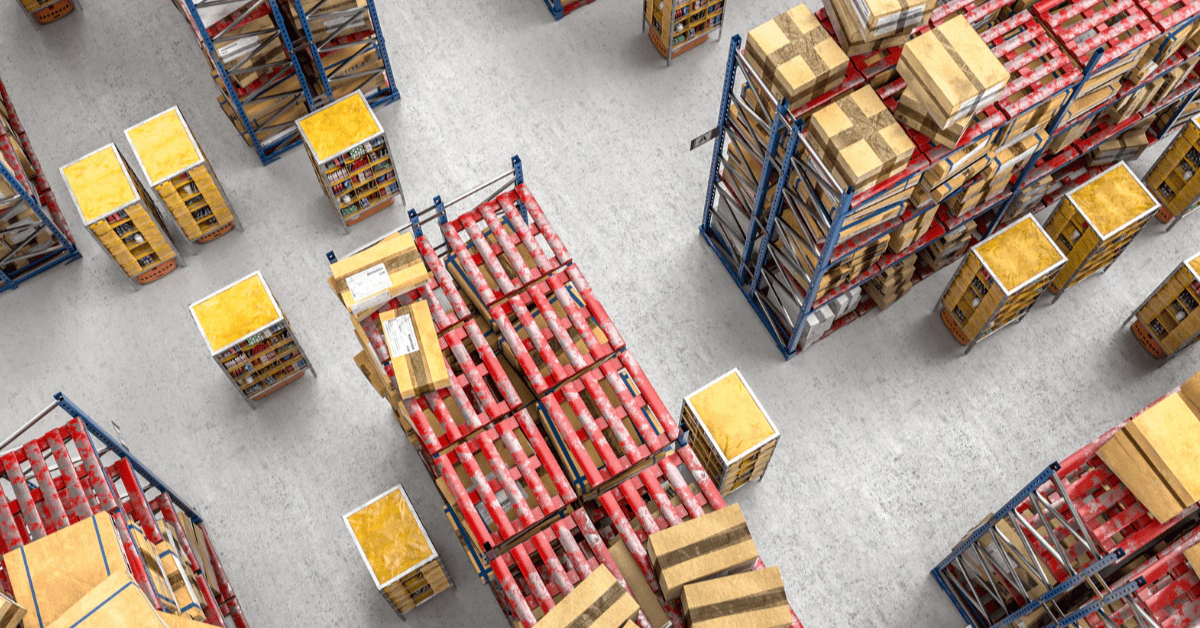
When COVID-19 struck, e-commerce sales exploded. As people switched from real to virtual shopping carts, companies of all sizes suddenly found themselves struggling to keep up with the new demand. The pandemic accelerated the growth of e-commerce by four to six years, according to an Adobe report. Even companies with already-established warehouses.had to pivot to accommodate the surge in online sales. Luckily, there’s a simple solution for companies that need to efficiently scale their operations. They can outsource their warehousing and distribution. An Armstrong & Associates report found that 90 percent of domestic Fortune 500 companies outsource part of their supply chain to third-party logistics providers. In Texas, industries ranging from apparel to health and more count on third-party partners to handle the logistics of their warehousing and distribution. Outsourcing your warehousing and distribution can be your secret weapon. Here are eight reasons why you should partner with a third-party...

Pitfalls to Avoid in Office Moving
As you set your sights on a new office building your next step is likely to investigate what the relocation will entail. Office relocation can be daunting, but don't let that stop you from making the change. Whether you are moving a few blocks away or across the country, we have identified five common moving pitfalls that, if avoided, can help make this transition seamless. Moving without a Strategy Lack of pre-planning is the cause of many common issues when moving. From logistics to time management to coordinating a checklist — these moving pieces will be better executed if planned ahead. Don't rush this process. A hurried move can lead to delays and additional expenses. Take time to scope out scenarios that may cause delays and troubleshoot them before the move. Find the right time to start the move. Coordinate with teams on a planned timeline: before the move, the...

Case Study: Whole Foods Fridge Move
Overview Three major grocery store locations serviced Refrigeration systems for freezer, deli, produce, hot bar, and other areas Warehousing Final Mile Delivery OS&E relocation Long-distance delivery Our role The Armstrong Company’s Raleigh agency provided warehousing and delivery for three separate major grocery store locations in and around Raleigh, North Carolina. These projects entailed loading into trucks, transporting and warehousing more than 40 refrigeration systems per store location, while the grocery chain was undergoing major renovations. Once renovations were complete, Armstrong’s team retrieved the systems from its warehouse storage and delivered them to the designated stores. Project Challenges Timing: All three of these major grocery locations were undergoing renovations at various times between October of 2019 and February of 2020. Each week store managers would request different refrigeration systems for different sections of the stores as their teams worked to renovate the space, section-by-section. This also had to be done after...
Interested in joining the Armstrong family ?