Decluttering for the New Year – 5 Tips for a Tidier Home and Office
It’s never too late to make your New Year’s resolutions! As many have shifted to spending more time at home — and even working from home — resolutions to be more organized and reduce clutter in living and workspaces are more common than ever. According to Psychology Today, A cluttered living space can lead to unnecessary additional stress, and a cluttered workspace can reduce productivity, interrupt creativity and lead to poor work performance. Clutter also makes it more difficult to relax and let the mind focus, and an unnecessary constant mess can signal to the brain that work is never done, leading to anxiety and feelings of guilt. While most focus on reorganizing at the apparent times — before a move, at the beginning of a new year or new season – if you notice yourself feeling regularly stressed, clearing your space and decluttering your house or office can clear your...
7 Tips for Moving Heavy Industrial Equipment
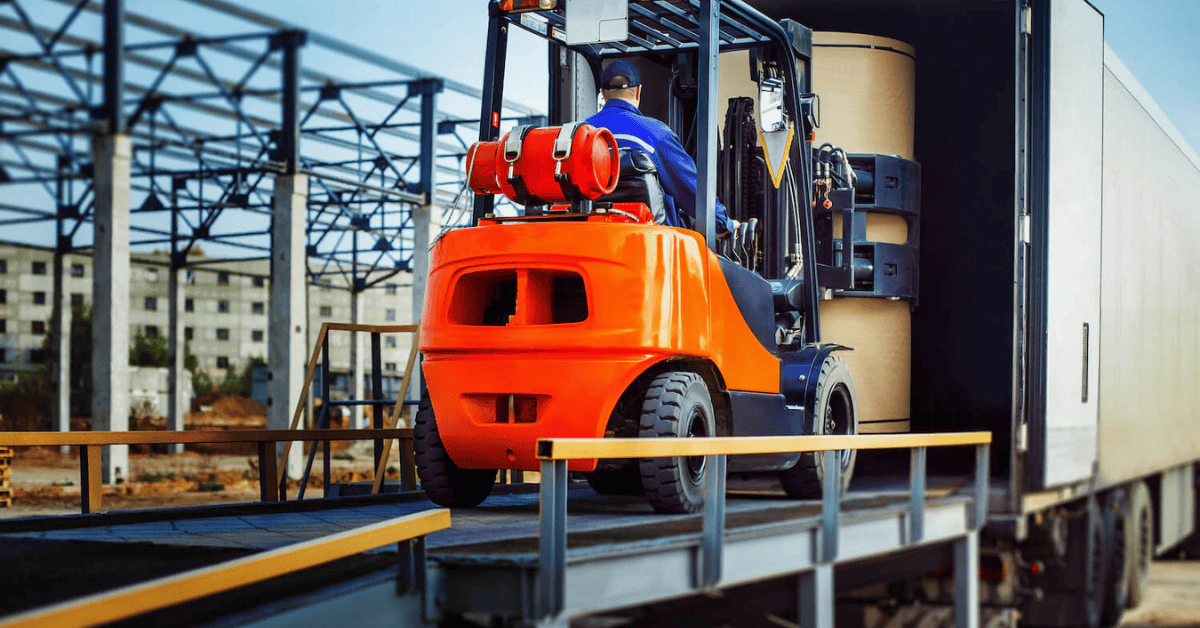
Industrial machinery is the lifeblood of every manufacturing company. When it’s time to relocate, manufacturers must devote extra care and attention to moving their equipment. Industrial equipment is often heavy and bulky, making it difficult to move any pieces without a third-party partner. A successful move can result in improved efficiency and reduced downtime for a company, but any missteps can damage people, facilities, budgets and businesses. Follow these seven steps to move your industrial equipment safely and effectively. 1. Check the fine print of your owner’s manual. Before moving any equipment, check for instructions from the manufacturer. Some vendors may require a member of their teams or another specialist to prep the equipment for the move. If unsure whether you can proceed, call your vendor for more detailed instructions on prepping, uninstalling and protecting the machinery for moving. Read the owner’s manual for other best practices on moving equipment,...
Why Everyone Is Moving to Texas
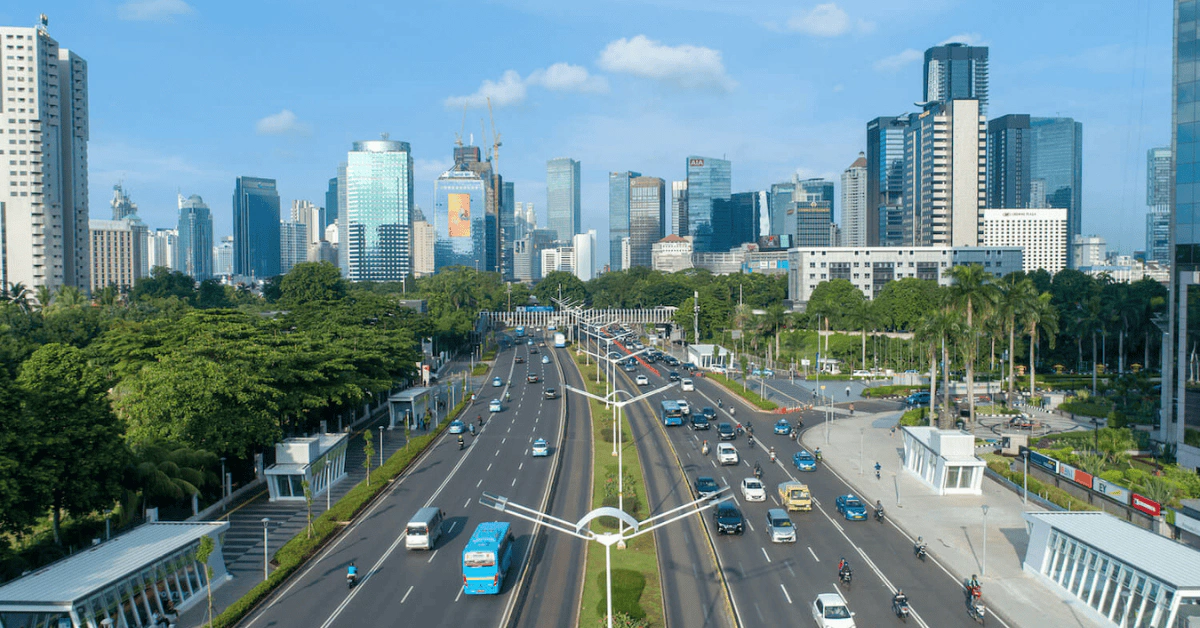
Everything is bigger in Texas — including the population. The Texas Tribune estimates 5.9 million people moved to Texas from 2005 to 2013. In that timeframe, Texas grew by an average of 345 people per day. And that’s accounting for people who left the state in the same period. In 2016, Texas was home to five of the 10 fastest-growing cities in the United States, according to The Texas Comptroller’s office. Then the pandemic hit, and migration to Texas started accelerating. The growth shows no signs of stopping in the near future. So why are so many people settling in the Lone Star State? Here are six reasons. Diverse Communities Texas is one of the most diverse states in the country, only trailing behind California, according to WalletHub. In Texas, you’ll find socioeconomic, cultural, economic, household, religious, and political diversity — all of which are valuable in painting the picture of...

Why City Downtowns Will Look Different Post-Pandemic
Urban downtowns have long revolved around office space. Soon, that may change. Before COVID-19 hit the United States, American cities were seemingly defined by the crowds of workers commuting downtown for work and by the high-rise office buildings with their seas of cubicles. Then, the pandemic came, forcing companies to abandon their offices — and leaving eerily empty downtowns in its wake. While some employers have already begun their return-to-office plans, others are closing their offices for good, instead embracing remote and hybrid working arrangements. But what does that do to the once office-heavy downtowns scattered in cities across the country? Here’s what you need to know. The Downtown ‘Stress Test’ of COVID-19 Offices account for 71% of real estate across downtowns in the 30 largest U.S. metros, according to Brookings. In some downtown neighborhoods, offices made up as much as 90% of real estate. Brookings calls COVID-19 “a profound...
How COVID-19 Changed Hospital Design
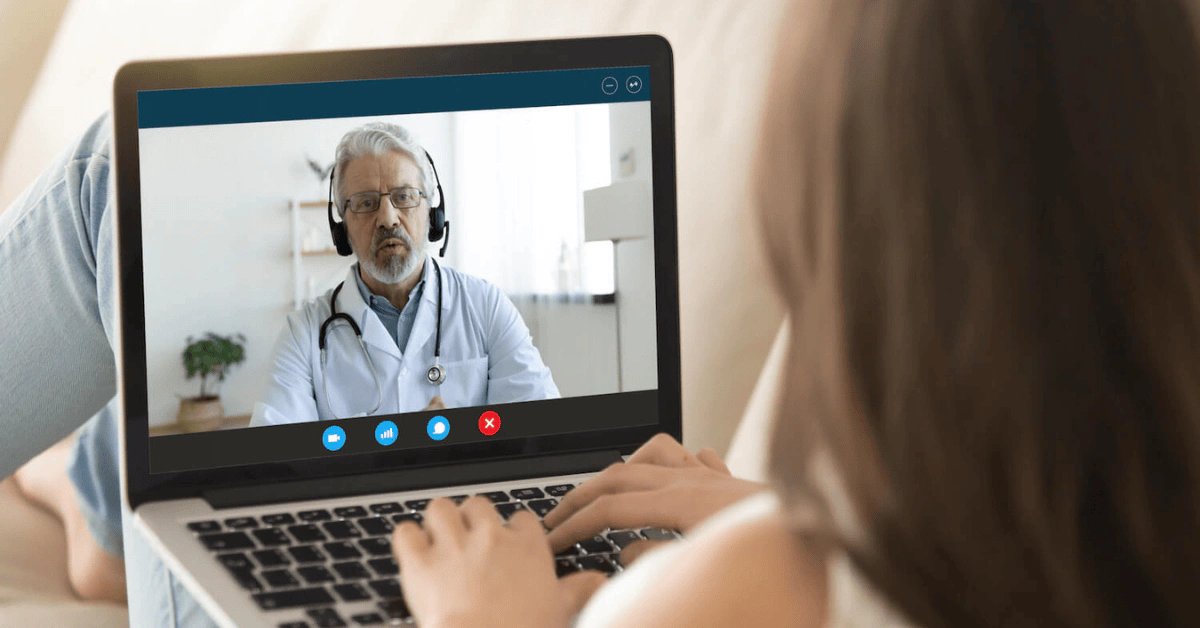
When COVID-19 hit the United States, healthcare institutions had to quickly adapt to new patient needs by temporarily transforming the design and layout of their care facilities. In addition to mitigating the risk of further spread by implementing social-distancing protocols, hospitals also limited entrances, constructed temporary walls to separate emergency-room patients and established alternate care sites at non-traditional facilities. With reported COVID-19 cases declining, many of these temporary layout changes in healthcare facilities are becoming permanent. Increasing the resilience of hospitals and care sites through responsive, adaptive design will be a priority for the U.S. now and in the future. Healthcare renovation and construction projects of varying sizes have already begun across the U.S. Here are four healthcare design trends that have become particularly prominent in reaction to the pandemic. Increased Surge Capacity At the height of the pandemic, hospitals quickly became overwhelmed by the influx of patients. In June...

Pros and Cons of Moving Your Office Over the Holidays
When companies gear up for office moves, most look at the summer and spring seasons. However, scheduling office moves over the winter holidays can be a more efficient and cost-effective solution for those with flexible timelines. Service-oriented businesses often slow down as the holidays approach, providing perfect windows of opportunity to move offices with minimal disruptions to their teams and customers. As you debate your moving timeline, consider these pros and cons of moving offices over the often-overlooked holiday season. PRO: Fewer Workers In-Office A Namely report found that employees requested time off twice as often in December compared to almost any other month. As workers head out on holiday vacations, the office will become increasingly empty, allowing movers to begin packing without interrupting your day-to-day work. During the winter holidays, you can give your movers free reign to uninstall equipment, pack up desks and decommission the office. Your movers...

Moving During the Holidays: Costs, Benefits, and Tips
There’s no place like a new home for the holidays. Families in the middle of scheduling moves may find the weeks of winter celebrations to be the perfect timeframe. After celebrating the years in your house, you can ring in the new year from a new home and start fresh. Though moving over the holidays can be stressful for some, others may find it an ideal time for such a transition. If you’re considering moving during the holidays, factor these benefits and costs into your decision. The Benefits of Moving During the Holidays 1. Off-Season Savings Peak moving season falls between April and September. If you’re willing to move outside the peak season, you may benefit from lower rates and holiday discounts on moving services. You can also save money on packing supplies such as boxes and tape, as most office-supply stores run holiday deals. 2. Holiday Generosity As your...

Why Houston Is Winning the Return-to-Office Race
Dust off those cubicles because United States offices are officially reopening. Around the country, CEOs are beginning to execute their highly-anticipated return-to-work plans — but it’s not all smooth sailing. Gallup found that fully remote work arrangements are decreasing from three in 10 remote-capable employees in June to only two in 10 for the foreseeable future. However, 34% of those employees want to work from home permanently, and six in 10 fully remote employees said they are “extremely likely to change companies” if their employers do not continue to offer remote flexibility. Eyes are on Houston for guidance as businesses nationwide strategize on the best compromise between fully remote and on-site work. Where Houston Stands in the Return-to-Office Debate As companies start plotting their returns to in-person work, some Houston companies have already begun filling their offices again. Houston has seen office occupancy levels around 58% compared with pre-pandemic levels,...

Healthcare FF&E & Its Impact on Healthcare Operations
What is Healthcare FF&E? In the healthcare industry, furniture, fixtures and equipment (FF&E) are more than décor. They’re fundamental to the missions of healthcare companies and institutions across the United States. FF&E is a buzzword used in healthcare to describe the movable items that bring value to those empty rooms. Industries typically classify FF&E items as goods that have a critical role in a company’s operations for at least a year or more. Renovations or new construction in the healthcare industry are incomplete and ineffective without new FF&E that is considerate of patients, staff and visitors. Though the FF&E process can be complicated and complex, it doesn’t have to be. Here’s what you need to know about procuring and installing FF&E in your healthcare organization. Which healthcare items count as FF&E? Most of the items lining the walls of a medical facility may fall into the FF&E category. In other...

How to Transform Your Office into a Place Employees Want to Return to
Is the work-from-home bubble bursting? In 2020, many firms cited increased productivity and employee satisfaction with working from home. As the pandemic dragged into 2022, the enthusiasm for working from home seems to have cooled for employers and employees alike. Employees express frustration with the monotony of working from home, many saying it blurs the line between work and home life and creates an imperative for employees to be available 24/7. Working from home has also distanced coworkers by eliminating the informal and spontaneous communication that comes with sharing the same physical space. Employers have expressed dissatisfaction with visibility into employee activity, some even going as far as tracking keystrokes or eye movement to ensure employees are actually working when working from home. Some have also pointed out the difficulties in identifying candidates for promotion without regular face time. The bottom line: employees are starting to demand more satisfaction from...
Interested in joining the Armstrong family ?