Dog Owner’s Guide to Moving With Pets
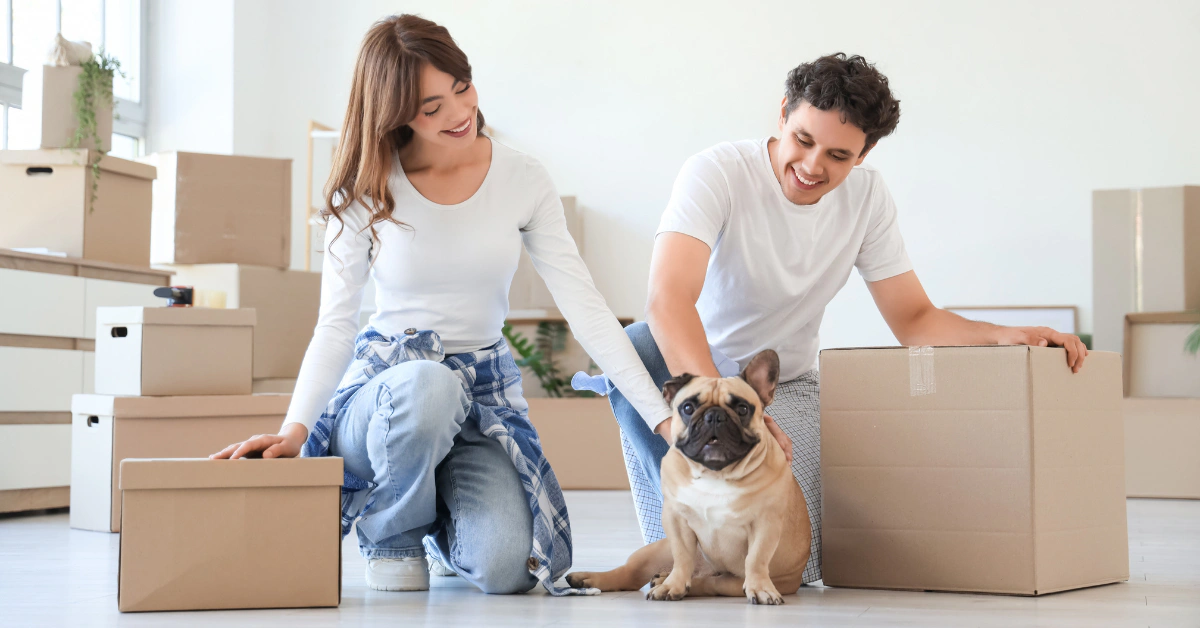
Moving to a new home is a major milestone, but for our dogs, it can feel like their whole world has been turned upside down. Pets rely heavily on familiar routines, scents and spaces to feel secure. Because of this, a successful move requires a bit of extra planning and a lot of patience. By taking proactive steps before, during and after your move, you can reduce stress for your furry family members and ensure everyone settles into their new home with ease.
Steps to Take When Moving With Pets
Since dogs are highly sensitive to shifts in their environment, sudden disruptions can lead to anxiety or behavioral hitches. To provide stability while you pack, try to keep feeding times, walks and play schedules exactly as they are. Introducing boxes and packing supplies gradually also helps your dog get used to the changing landscape of your home without feeling overwhelmed.
- Moving With Your Pet: Tips From ASPCA
- Ways to Make Moving Into a New Home With a Dog Less Stressful
- How to Keep Your Pets Safe and Stress-Free When Moving Homes
Pet Proofing Your New House
Before you let your dog officially claim their new dwelling, it’s worth taking a few minutes to see the world from their level, literally. Getting down on your hands and knees might feel silly, but it’s the best way to spot the hidden hazards that a curious nose will find in seconds.
1. Check the Perimeter
Walk the fence line of your new yard before the first off-leash bathroom break. Look for loose boards, gaps at the bottom of the gate or “presents” left behind by the previous owner’s pets.
2. The “Nooks and Crannies” Check
In a new house, dogs love to squeeze into tight spots to feel secure. Ensure there aren’t any unfinished gaps behind appliances or open vents where a nervous pup could get stuck.
3. Identify Mystery Greenery
Many common landscaping plants, like Sago Palms, Azaleas or Lilies, can be toxic if your dog decides to have a “welcome home” snack. A quick scan of the garden can save you a frantic trip to the emergency vet.
4. Secure the Essentials
Make sure loose wires from your newly set-up TV or lamp are tucked away and double-check that the window screens are sturdy. A dog seeing a squirrel in a brand-new neighborhood might test a screen they’ve never encountered before!
Taking an hour to pet-proof now means you can truly relax later, grab a coffee and watch your best friend finally settle into their new favorite nap spot.
- How to Stop Dogs From Escaping Your House
- Toxic Foods and Substances for Pets
- Common Household Hazards for Pets to Watch Out For
Staying in Touch With Your Vet or Finding a New One
Consistent veterinary care is essential during the transition to a new location. Before you leave, request a full copy of your pet’s medical records and confirm all vaccinations are up to date. If you are moving out of the area, research highly-rated clinics near your new home and schedule an introductory visit shortly after you arrive. Having an established contact ready to go ensures you have professional support if the stress of the move affects your pet’s health.
Keeping Pets Entertained and Stress-Free During the Move
Moving day is naturally noisy and chaotic, which can spike a pet’s anxiety levels. To create a sense of comfort, keep their most familiar toys, blankets and bedding easily accessible rather than packed away in a truck. Extra exercise or a long game of fetch can also help burn off nervous energy. Setting aside a quiet, designated room away from the heavy lifting allows your pet to rest peacefully while still feeling close to you.
Making the Trip Comfortable for Your Pets
The journey itself is often the most taxing part of the move. Whether you’re traveling by car or plane, safety and comfort should be your top priorities. If your dog uses a carrier or crate, make sure they are familiar and comfortable with it well before travel day. For road trips, secure crates with seat belts and plan for regular breaks for water and exercise. If you’re flying, review airline policies early to ensure you meet all carrier and health requirements.
Reading Up on Local Pet Laws
Pet regulations can vary significantly from one city or county to the next. Before you relocate, take a moment to research local leash laws, licensing requirements and even breed-specific regulations in your new area. If you’re moving into a rental property or a community with an HOA, double-check their specific pet policies to avoid any surprises. Staying informed helps you stay compliant and ensures a warm welcome from your new neighbors.
- Local Government Animal Control Guidelines
- U.S. State and Territory Animal Entry Requirements
- Rabies Prevention and Control
Keeping Your Pet Secure and Safe During the Move
Moving day is a whirlwind of propped-open doors and heavy foot traffic, which is a recipe for a “bolt for the door” moment. Since your dog hasn’t yet learned that this new house is home, an accidental escape is much more dangerous than it would be at your old place. To keep them from getting lost in a neighborhood they don’t recognize, you need a strategy that prioritizes physical barriers and updated identification.
Designate a “Zoned-Out” Zone
Pick a quiet room (like a bathroom or a cleared bedroom) and set it up with their bed and water. Put a sign on the door that says “DO NOT OPEN” so movers don’t accidentally let them out.
Check the Chip
Verify that your pet’s microchip is registered to your new address and current phone number. If they do wander off, this is their quickest ticket home.
Supervised Sniffing
For the first few days, keep your dog on a leash even in the backyard. It allows you to monitor their reaction to the environment and ensures they don’t find a hidden exit.
Consider a “Stay-Cation”
If your dog is particularly anxious, moving day might be the perfect time for a day at their favorite doggy daycare or a sleepover at a friend’s house to skip the noise.
Close supervision during the first days in a new home helps pets adjust safely to unfamiliar surroundings.
First-Night Essentials for Your Pet
To make your first night in the new house as cozy as possible, pack a dedicated “go-bag” for your pup. Having a few basic supplies within reach ensures your first night together is about relaxing, not digging through towers of cardboard.
- 48 Hours of Food and Bottled Water: Consistency is key for their digestion and bottled water prevents any “new tap water” tummy upsets
- The “Scent of Home”: Pack an unwashed blanket or their favorite bed; having a familiar smell in a sterile new room is incredibly comforting for a dog
- High-Value Treats: Keep some extra-special rewards on hand to celebrate small wins, like their first time successfully using the new “potty spot” in the yard
- Emergency Basics: Keep a leash, a few poop bags and a basic first-aid kit in the side pocket of the bag for easy access
Helping Pets Settle Into a New Home
Adjusting to a new home after the movers leave takes time and patience is key. Introducing pets gradually to different rooms, maintaining familiar routines and offering reassurance helps build confidence. Some pets may display temporary changes in behavior, such as decreased appetite or increased clinginess. These responses are common and usually fade as pets become comfortable in their new environment.
By planning ahead, staying attentive and focusing on your pet’s comfort, moving pets can become a manageable and positive transition. With consistency and care, pets can quickly learn that their new house is a safe and happy place to call home.