Relocation Information and Resources for Military Families
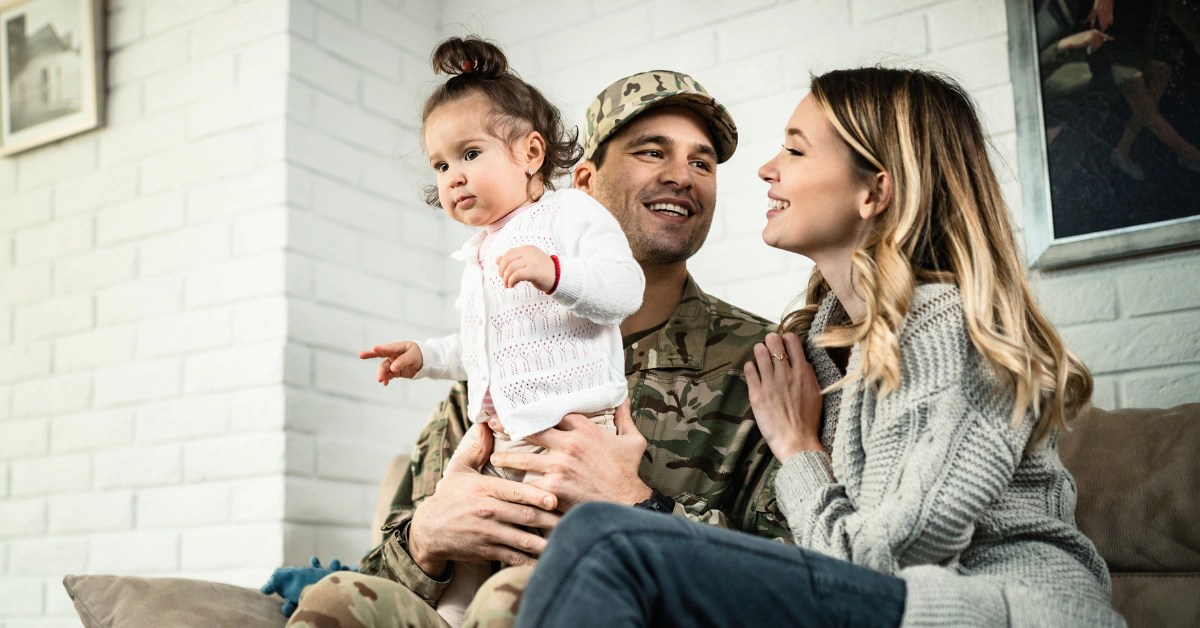
Relocation is a regular part of military life, but when children are involved, each move brings added emotional and logistical complexity. For many military families navigating a Permanent Change of Station (PCS), the process can feel overwhelming as parents juggle packing, timelines, school changes and their children’s emotional needs.
But while military moves often come with stress and uncertainty, they can also become opportunities for growth, resilience and stronger family connections when handled with care and preparation. Open communication, consistent routines and access to the right residential moving services can make a meaningful difference.
By approaching relocation as a shared family experience rather than a sudden disruption, families can reduce anxiety and help children adjust with greater confidence.
Opening the Conversation About a Move
How and when children learn about an upcoming move can strongly influence their experience of the entire transition. Because many children rely on routine and familiarity to feel secure, sudden changes without explanation can create anxiety or confusion. Introducing the idea of a move early gives children time to adjust emotionally before the physical transition begins.
Helpful approaches include:
- Sharing information honestly while tailoring details to your child’s age and understanding
- Encouraging questions and acknowledging worries, even when you don’t yet have all the answers
- Explaining why the move is happening in simple, clear terms
- Reassuring children that their needs and feelings remain a priority
Rather than treating the conversation as a one-time announcement, revisit it regularly as plans progress. Children often process change in stages and new concerns may surface as the move becomes more real. Ongoing dialogue helps reinforce stability and trust, even as circumstances change.
Building a Family-Friendly Moving Plan
Creating a shared moving plan helps children understand what will happen and when. This sense of predictability can reduce stress and give kids a clearer picture of the transition ahead.
A family timeline might include:
- Packing milestones and room-by-room progress
- Farewells with friends, teachers and caregivers
- Travel plans and arrival dates
- The first night in the new home and the first school day
Displaying the timeline visually allows children to follow along and feel involved. Some families find it helpful to turn the timeline into a checklist or shared calendar so children can track progress and anticipate upcoming changes. When kids understand the sequence of events, the move feels more manageable and less overwhelming.
Using Military Relocation Support Programs
Military families are not expected to navigate relocation alone. Numerous programs exist specifically to help service members and their families manage the logistical, emotional and social aspects of a PCS move.
Support resources may assist with:
- Pre-move planning and relocation checklists
- Counseling services for adults, children and teens
- School transition support and youth sponsorship programs
- Community orientation and connection opportunities
PCS moves often involve compressed timelines, shifting orders and overlapping responsibilities, making early planning difficult without additional support.
Accessing these resources early can reduce stress and prevent avoidable challenges later. Many programs focus on helping children adapt by providing peer connections, structured activities and continuity during periods of change. Knowing what support is available—and how to access it—can make relocation feel far more manageable.
Managing the Financial Impact of a PCS Move
Even with military allowances and reimbursements, relocation can temporarily strain household finances. Out-of-pocket costs may arise before reimbursements are processed, and families may encounter expenses that are difficult to predict in advance.
Planning strategies often include:
- Understanding which relocation expenses are reimbursable and which are not
- Setting aside funds for temporary housing, meals or travel delays
- Tracking all move-related expenses carefully
- Short-term financial assistance if needed
Addressing financial concerns proactively allows families to focus more fully on emotional well-being and logistics rather than financial uncertainty. When parents feel financially prepared, children often sense greater stability during the transition as well.
Helping Children Navigate School Changes
Changing schools can be one of the most challenging aspects of relocation for children. New academic expectations, unfamiliar social environments and curriculum differences can all contribute to stress.
Because military relocation often occurs mid-school year, children may also face gaps in curriculum pacing or differences in state or district requirements.
Steps that often ease school transitions include:
- Requesting school records early and keeping copies on hand
- Communicating with counselors or administrators before enrollment
- Exploring tutoring or academic support if needed
- Encouraging participation in extracurricular activities
Early preparation helps children feel more confident and supported as they adjust academically and socially.
Maintaining Stability Through Familiar Routines
Consistency provides reassurance when everything else feels new. Familiar routines help children feel safe and grounded during a PCS move.
Stability can be reinforced by:
- Keeping regular meal and bedtime schedules
- Packing favorite items separately for immediate access
- Setting up children’s bedrooms early in the new home
- Continuing family traditions when possible
These familiar patterns send a clear message that, even in a new place, some things remain the same. This can be an enormous source of comfort for your children and remind them that, despite new surroundings and circumstances, stability can be found.
Supporting Healthy Goodbyes
Saying goodbye can be emotionally complex for children, especially when they are leaving behind close friendships, trusted teachers or familiar routines. Avoiding or rushing farewells may unintentionally minimize feelings that children need help processing.
Supportive farewell strategies include:
- Allowing children to choose how they want to say goodbye
- Encouraging them to express gratitude or appreciation for friendships
- Helping preserve memories through photos, notes or small keepsakes
- Normalizing sadness as part of change, not something to “get over quickly.”
Honoring relationships helps children recognize that meaningful connections don’t disappear simply because circumstances change. This emotional closure often makes it easier for children to open themselves up to new experiences later.
Balancing Optimism With Emotional Support
Maintaining a positive outlook during a move can be helpful, but it’s equally important to create space for uncertainty or discomfort. Children benefit most when adults acknowledge both excitement and apprehension as valid responses.
Ways caregivers can support emotional balance include:
- Listening attentively without immediately trying to “fix” emotions
- Reflecting feelings back to children so they feel heard and understood
- Reassuring them that adjustment takes time
- Watching for signs of prolonged distress that may require additional support
- Changes in sleep, appetite or social withdrawal that continue beyond the initial adjustment period
By modeling emotional openness and resilience, caregivers help children develop healthy coping strategies. This approach reinforces that feeling unsettled during change is normal – and temporary.
Finding Connection in a New Community
After arriving at a new duty station, establishing a sense of belonging helps children and adults alike feel more grounded. Connection doesn’t happen instantly, but small steps can make a meaningful difference.
Community-building efforts often include:
- Exploring family-focused events and programs
- Encouraging children to participate in activities aligned with their interests
- Introducing routines that include familiar and new social interactions
- Seeking out other military families who understand the relocation experience
Feeling connected supports emotional recovery after a move and helps families rebuild daily rhythms more quickly. Over time, these connections contribute to a stronger sense of home—no matter how temporary the assignment may be.
Additional Resources for Families During Military Relocation
Military relocations can be demanding for families, especially when children are involved, but home-moving support systems exist to help ease both the practical and emotional aspects of the transition.
- Department of Defense Education Fact Sheet
- Education for Military Children
- Tools for Helping The Military Community
- Military Parent Support and Resources
- The National Military Family Association
- Military PCS and Relocation Assistance
- Supporting Military Families: Resources and Programs
- Child Care Aware of America: Military Families
- How You Can Turn a Military Move Into a Worthwhile Trip with Preparation
- Financial Assistance for Military Families
- How Military Relocation Professionals Can Help Ensure a Smooth PCS
- Sesame Street for Military Families
- Helping Kids Adjust After a PCS Move
- Five Tips for a Smooth PCS
- The Impact of Multiple School Transitions on Military Children
- Navigating Deployment with Young Children
- Easing Anxiety in Military Children during Duty Station Changes
- Supporting Our Military Kids: Bridging Education Gaps During School Transitions
- Illuminating the Path to Stronger Mental Health for Children in Military Families
- Resources for Children in Times of Change