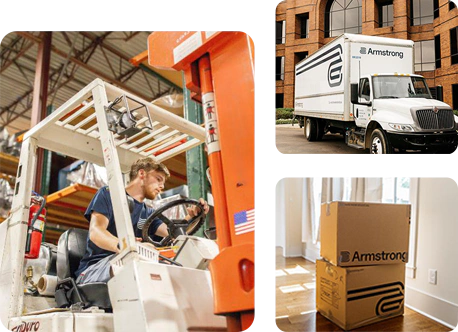
An Environmentally Friendly Guide to Residential Moving
Residential moving often creates a much larger environmental footprint than households anticipate. From the rapid accumulation of cardboard to the heavy use of single-use plastic wrap, the waste generated by thousands of families moving annually adds up to a significant ecological burden. In the United States alone, millions of people move every year, creating a massive influx of single-use materials into the waste stream. Approaching the moving process with sustainability in mind can reduce waste, conserve resources and make a residential move more intentional from start to finish. Environmentally friendly moving does not require drastic changes or specialized equipment. Small, thoughtful decisions made before, during and after the move can significantly lower waste while keeping the process manageable and organized. Plan Ahead to Reduce Waste The most effective way to reduce waste during a move is to start planning early. Rushed decisions often lead to unnecessary purchases, excess packaging and...
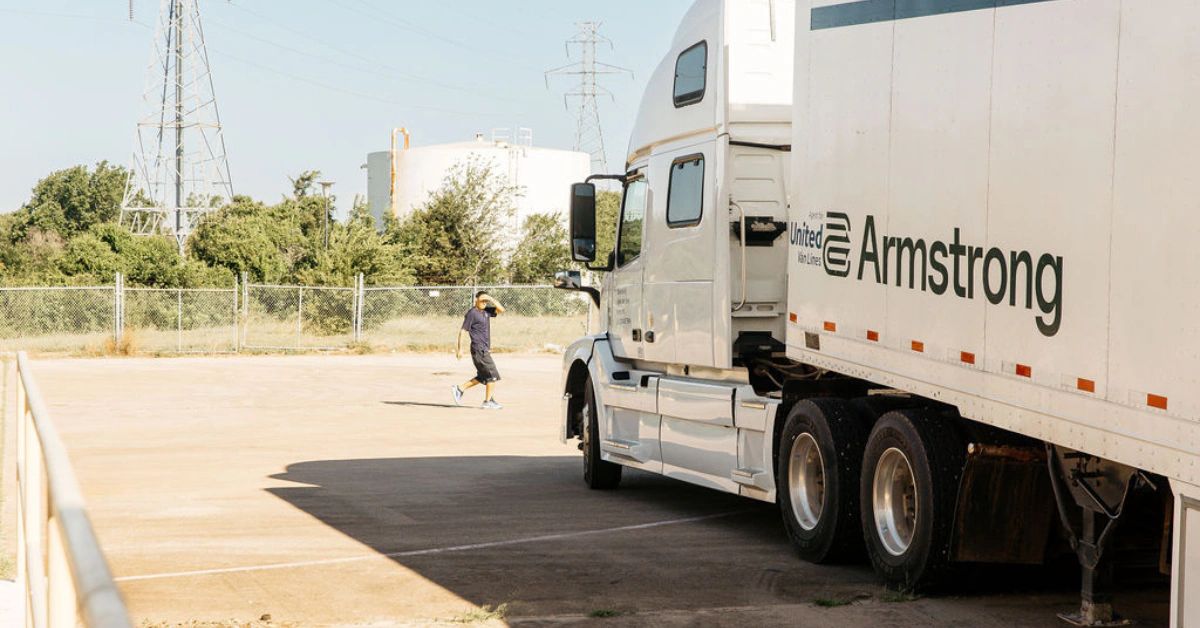
A Guide to Top Final-Mile Logistics Companies
If you’re evaluating final-mile logistics companies, you need a partner who can protect the customer experience, meet tight delivery windows, resolve exceptions quickly and deliver high-touch services like inside delivery or installation—consistently, at scale and with reliable service. That’s why comparison searches for last-mile delivery logistics solutions keep growing. Procurement teams and small business owners don’t just want names; they want clear criteria that separate marketing promises from real-world performance. Key Takeaways Prioritize scalable capacity, white glove service and transparent, ethical practices Protect delivery operations by validating the delivery process upfront, including site readiness, exception management and POD with clear chain of custody Look for supply chain innovations that improve performance, such as route optimization for efficient delivery routes, dynamic scheduling and real-time tracking Use the checklist to confirm the provider can meet customer expectations and deliver reliable service across markets What Is Final-Mile—and Why Does It Matter? Final-mile logistics...

The Armstrong Company Acquires Accent Moving, Storage & Logistics
Acquisition allows Armstrong to expand its Tulsa services, enhancing relocation and transportation services for area businesses and residents. MEMPHIS, Tenn., April 01, 2026 – The Armstrong Company, a global moving and supply chain company, today announced the acquisition of Accent Moving, Storage & Logistics in Tulsa, Oklahoma. Founded in 1939 as an agent for Mayflower Transit, Accent specialized in household goods moving, high-value commercial product transportation, logistics and storage. The purchase allows Armstrong to expand its existing operations in the area, offering area customers more depth across a comprehensive lineup of services. Accent’s Owner/President Jody Davis will serve as president of the combined, Armstrong entity. “For more than 80 years, Accent has remained a competitive player in the relocation and logistics industry throughout Oklahoma and beyond,” said Will Abbay, CEO of Armstrong. “The Armstrong Company looks forward to aligning itself with the storied history of Accent and continuing the same...
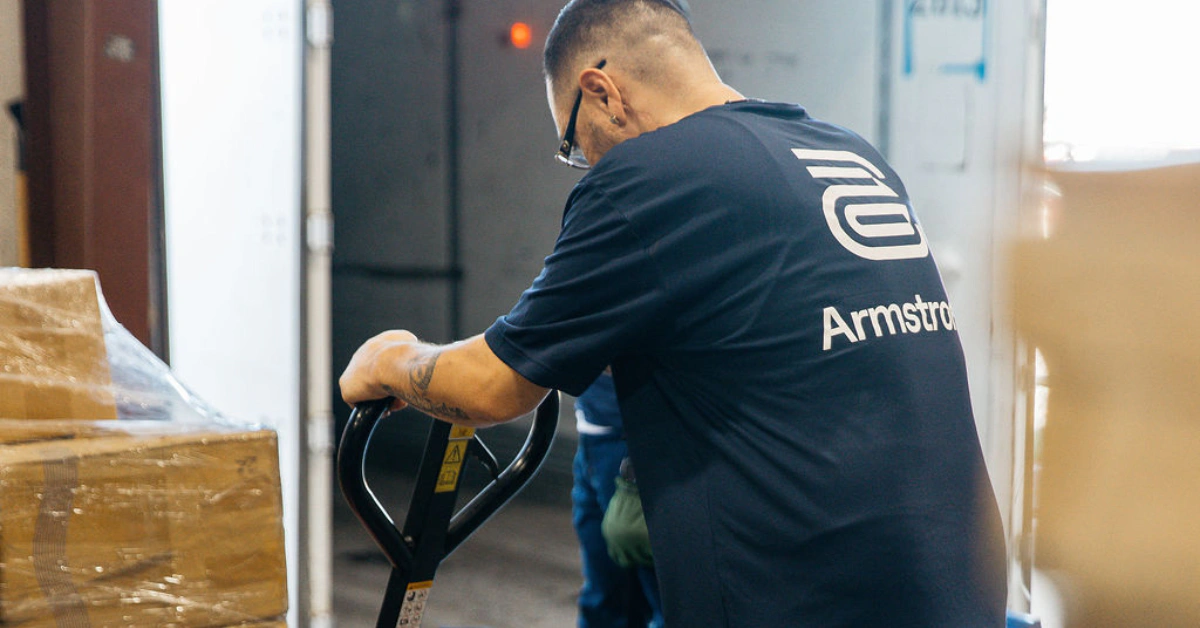
First to Last: The Strategic Integration of First and Final-Mile Logistics
If you manage a distribution network, you’ve likely seen shipments hit their first-mile and hub milestones, then fail at the moment that matters most: delivery. That’s why first- and final-mile logistics work best as an integrated system, not as separate programs with different partners and disconnected data. When you plan from first to final, you reduce handoffs, improve visibility and deliver more consistent outcomes. For VPs of Logistics and Warehouse Managers, integrating logistics-first-mile delivery is a practical way to reduce exceptions, protect margins, and align service promises with real-world execution. Key Takeaways Integrating first-to-last execution strengthens your supply chain by reducing handoffs and improving visibility Better final mile delivery starts upstream with load planning, clean data and tight hub execution End-to-end delivery services improve accountability, speed exception recovery and protect OTIF First Mile vs. Final Mile: Where Handoffs Create Risk First-mile logistics moves goods from the origin (manufacturer, supplier, or distribution center) to the first...

Last-Mile Furniture Delivery Logistics Solutions
When a hotel, hospital or office project needs furniture delivered and installed on a deadline, the final mile decides whether the space opens on time. It is where purchase orders become finished rooms, or delays that disrupt operations and budgets. Final-mile logistics are different from standard shipping. It includes room-by-room placement, on-site assembly, debris cleanup and coordination around tight schedules. For facility managers and procurement officers, choosing the right final-mile logistics provider means avoiding damaged inventory, missed opening dates and weeks of claims paperwork. Key Takeaways Define final mile delivery service scope in writing Integrated pickup linehaul staging and installation reduces touchpoints and missed windows Choose threshold or white glove service based on site constraints, timeline and in-house labor Armstrong supports multi-site FF&E rollouts with crew infrastructure and closeout documentation The End-to-End Journey: Integrating the Supply Chain Successful FF&E execution starts well before the truck arrives. Final-mile delivery logistics work...

Seamless Project Delivery and Installation for Complex Projects
Commercial rollouts rarely fall apart because one team doesn't work hard enough. More often, they stall in the handoffs. A shipment arrives before the site can receive it, a critical component goes to the wrong entrance, installers can't get access or a staging plan that looks solid on paper becomes a bottleneck on move-in day. When that happens, timelines slip for internal teams and for customers who expect the space to be ready. When you move high-value equipment, specialized furniture or assets that must go live quickly, delivery isn't the finish line. The goal is installed, verified and ready for use and that requires different levels of control depending on the environment. That's why delivery and installation work best as a single coordinated project, with final-mile delivery aligned with site readiness and installation requirements. With the right planning and execution, rollout logistics stay predictable and your teams don't have to fix problems...

How to Estimate Your International Moving Expenses & Avoid Financial Surprises
Planning an international move involves more than choosing a destination—it requires building a precise and reliable budget. While an expert quote covers the logistics of packing and shipping your household goods, it represents only one part of the total financial picture. As your trusted international moving company, we help you look beyond the base quote and build a complete financial plan. Understanding how to estimate your total expenses step by step can help you avoid common pitfalls and apply smart strategies to save money when relocating overseas. Key Takeaways Compare quotes carefully to confirm each estimate includes the same services, coverage and destination support Plan beyond shipping costs by budgeting for travel, housing, paperwork and a contingency fund for delays or added fees Reduce unnecessary expenses by decluttering early, avoiding peak-season moves and replacing low-value items after arrival when it makes more financial sense Step 1: Get a Precise Moving...
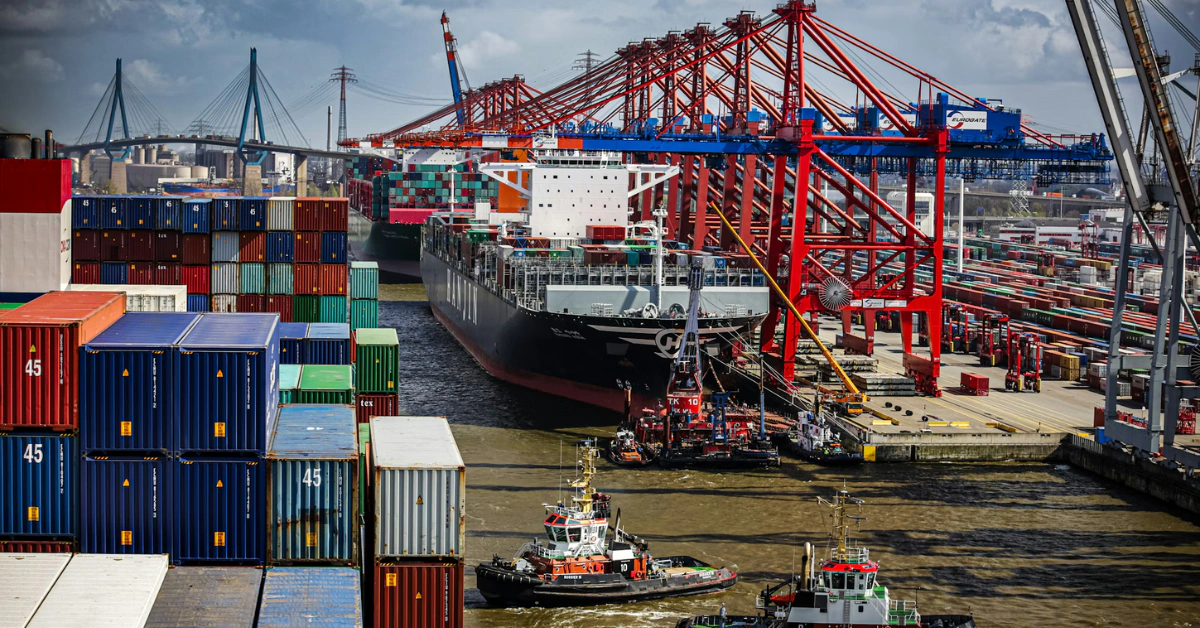
How New Tariff Regulations Could Impact Sacramento’s Supply Chain Operations
Tariffs are back in the headlines—and for supply chain leaders, the focus is execution. When tariff rules change (or the risk of change rises), the effects are quickly reflected in landed costs, sourcing decisions, lead times and customer pricing. Planning is especially challenging right now because multiple tariff programs can overlap, tariffs can be imposed quickly and exclusions may change with little notice. Ongoing legal questions about emergency tariff authority add another variable for teams trying to forecast costs and maintain service levels—which is why many organizations rely on experienced supply chain partners to help them stay agile and avoid costly disruptions. Sacramento is particularly sensitive to these shifts because of its mix of industries and its role in regional logistics. Greater Sacramento sits at the center of a major agri-food ecosystem, supports manufacturing and industrial supply chains and continues to expand as a distribution and warehousing market. With key...
Full-Service vs. DIY: Choosing Overseas Shipping For Your Household Move
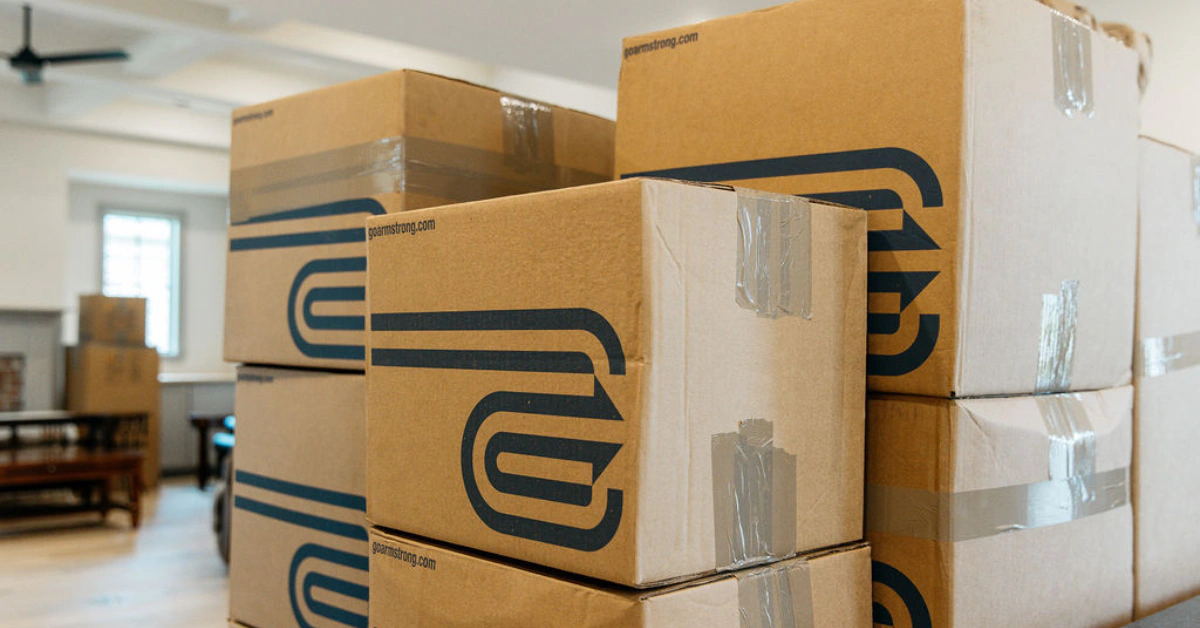
Shipping your household goods overseas is a major undertaking. Between paperwork, logistics coordination and ensuring your belongings stay safe in transit, the process can quickly feel overwhelming. One of the first—and most important—decisions you’ll face is whether to choose full-service overseas shipping or a DIY approach, where you handle the packing and use shared or full container space. Both options will deliver your belongings to their destination, but they differ significantly in terms of cost, convenience, time commitment and risk. Understanding these differences helps you make a confident and informed decision, choosing the overseas shipping approach that best supports your household move. Key Takeaways Full-service overseas shipping offers maximum convenience, with professionals handling packing, logistics, customs documentation and delivery DIY container shipping can reduce upfront costs, but requires significantly more time, labor and attention to detail Understanding the trade-offs between the two methods helps ensure your overseas household relocation is...
Ultimate Moving Guide: Raleigh Commercial FF&E (Furniture, Fixtures and Equipment) Services
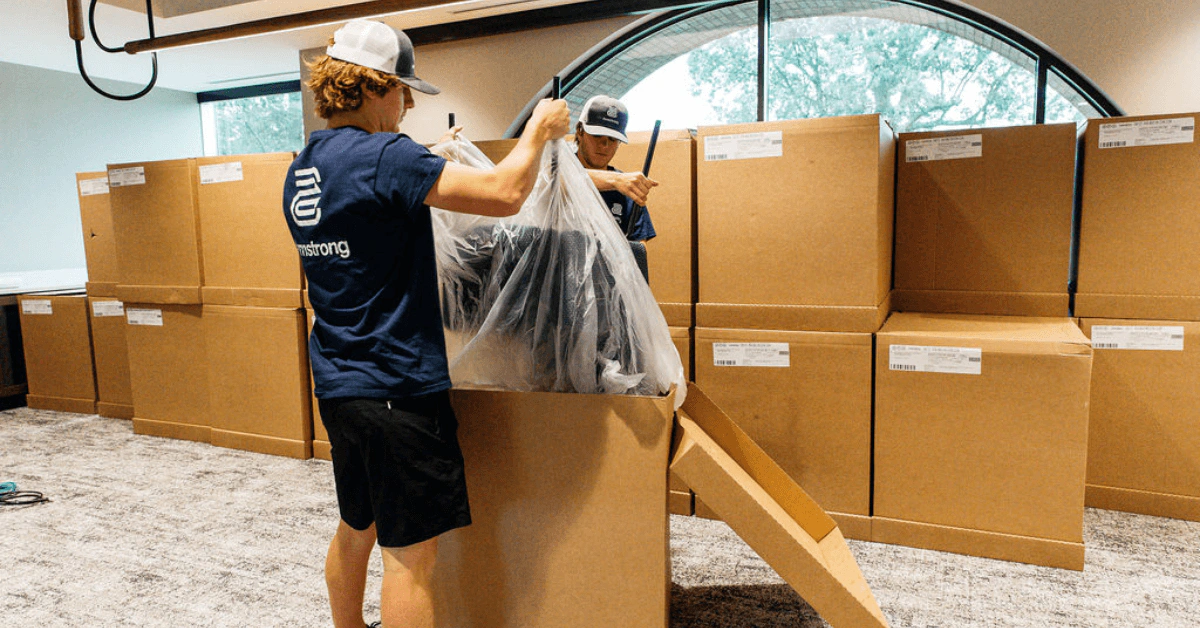
If you’re planning a commercial move in Raleigh, one of the biggest challenges is managing your furniture, fixtures and equipment (FF&E). These are the essential assets your business depends on every day—desks and workstations, conference room furniture, exam room setups, shelving, breakroom equipment, tech stations and more. Simply put, FF&E makes your space functional and productive on day one. Unlike moving office supplies and desk contents, relocating FF&E often involves disassembly, inventory coordination, careful protection, delivery planning and installation across multiple rooms, floors or locations. And when timelines are tight, a missing part or damaged component can quickly turn into costly delays. As Raleigh businesses grow, partnering with an experienced team helps protect your assets, reduce downtime and keep your business moving forward. Understanding what goes into an FF&E move—and what to look for in the right support—is key to staying on schedule. Key Takeaways FF&E moves go beyond transportation...
Interested in joining the Armstrong family ?