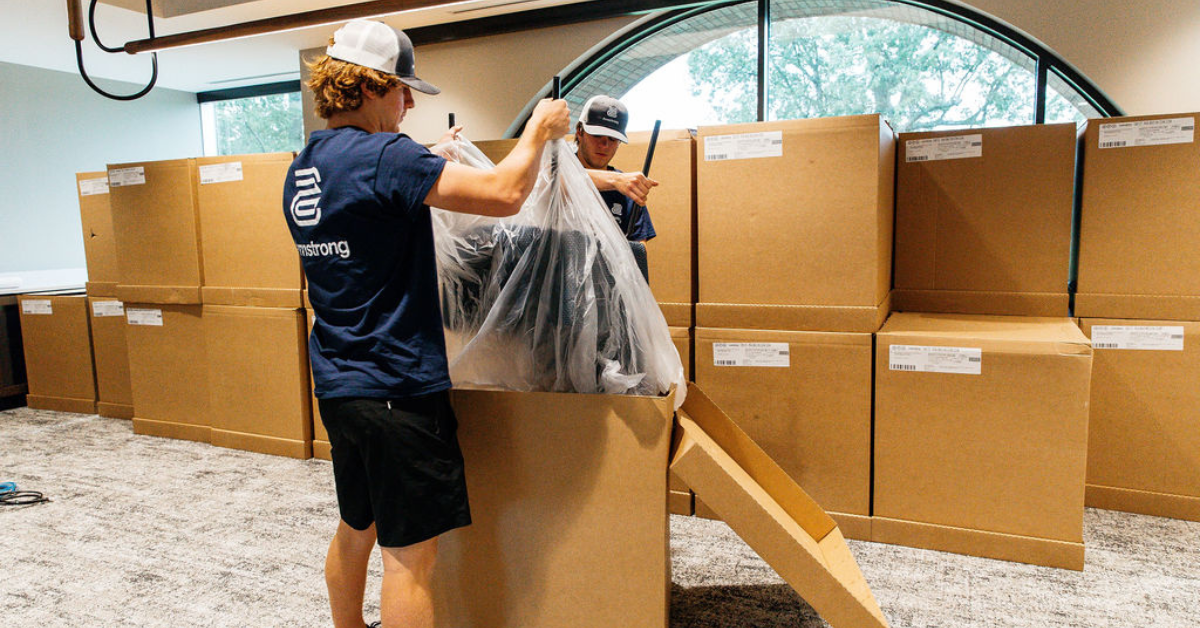
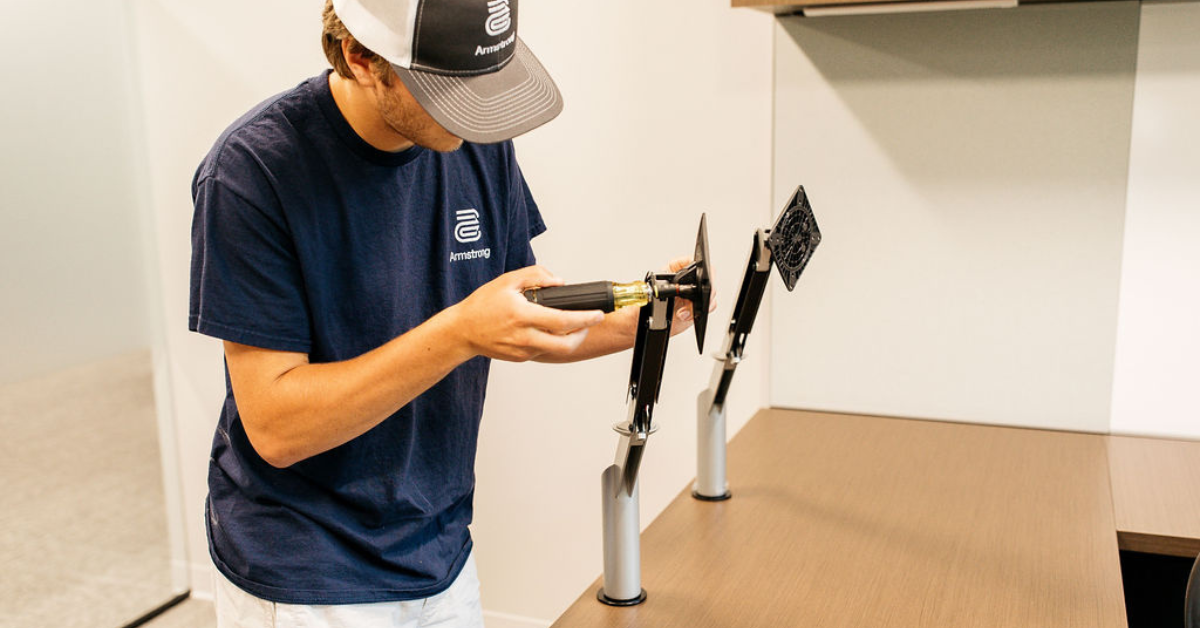
Seamless Project Delivery and Installation for Complex Projects

Commercial rollouts rarely fall apart because one team doesn’t work hard enough. More often, they stall in the handoffs. A shipment arrives before the site can receive it, a critical component goes to the wrong entrance, installers can’t get access or a staging plan that looks solid on paper becomes a bottleneck on move-in day. When that happens, timelines slip for internal teams and for customers who expect the space to be ready.
When you move high-value equipment, specialized furniture or assets that must go live quickly, delivery isn’t the finish line. The goal is installed, verified and ready for use and that requires different levels of control depending on the environment.
That’s why delivery and installation work best as a single coordinated project, with final-mile delivery aligned with site readiness and installation requirements. With the right planning and execution, rollout logistics stay predictable and your teams don’t have to fix problems in real time.
Key Takeaways
- Treat delivery and installation as one workflow to reduce handoffs and day-of delays
- Validate site realities early, including receiving constraints, travel routes, access rules and scheduling limits
- Choose a partner that can coordinate end-to-end execution and handle exceptions, from site readiness to closeout documentation
- Track performance with clear KPIs and consistent documentation to reduce rework and disputes
How To Choose a Logistics Partner for Seamless Delivery and Installation
A seamless process depends on tight coordination across planning, transportation and on-site execution, especially for commercial moving projects in complex environments such as hospitals, labs and corporate HQs. When evaluating a partner for your business, focus on capabilities that keep timelines predictable and reduce risk at handoffs.
1. End-to-End Coordination
Look for a partner that manages transportation and installation as one workflow. You want one plan, one schedule and clear accountability from receiving through sign-off—so issues don’t bounce between teams.
2. Site-Ready Planning
Ask how the partner confirms site realities that cause day-of delays, including:
- Receiving constraints (dock vs. street delivery, vehicle limits, staging space)
- Interior path-of-travel (doors, elevators, tight turns, floor protection)
- Access and building rules (COIs, badging/escorts, delivery windows, restricted areas)
If they can’t explain their validation process, you may end up absorbing the risk onsite.
3. Asset-Appropriate Transportation
High-value or sensitive assets need more than standard freight. Confirm how the partner protects items in transit and plans for placement inside the building—including material handling, staging, sequencing and heavy-lift support when needed.
4. Documentation and Recovery Planning
Disruptions happen. Look for a partner that documents execution consistently and follows a clear process for exceptions, such as missing parts, damage, access issues and schedule changes. This capability prevents minor problems from becoming significant delays.
The end-to-end process typically breaks down across three phases:
Phase 1: Pre-Delivery Planning
This phase protects the schedule and budget by eliminating surprises that trigger extra labor, return trips, rushed rescheduling and downtime. That reliability matters even more when you need to meet shifting project demand across sites.
Confirm Site Receiving Basics
Not every site receives freight the same way. A box truck at a loading dock differs from a tractor-trailer at a curb with limited parking and strict time windows. Lock in the basics before anything ships:
- Is the delivery dock-based or street-level?
- What vehicle sizes can the site handle?
- Is there enough staging space to keep corridors and exits clear?
- What delivery windows apply and how strictly does the site enforce them?
Map the Path Inside the Building
Even if the dock works, the interior route can stop the install. Tight turns, elevator limits and door clearances create delays fast—especially for oversized or high-value assets. Confirm:
- Door clearances and turning radio
- Elevator dimensions and weight limits
- Floor and wall protection requirements
- Handling needs for high-finish areas (glass, premium flooring, sensitive surfaces)
Secure Access, Permits and Building Rules
A schedule only works if the site is ready to accept it. Late paperwork and access issues derail timelines more often than teams expect. Coordinate requirements early, including:
- Loading dock or elevator reservations
- Certificates of insurance (COIs) and compliance documents
- Security check-in steps, visitor policies and badging
- Building rules around tools, noise, elevators and restricted areas
Plan Routes Early
For national rollouts and high-volume programs, routing reduces disruption. If you know a corridor has chronic congestion, ongoing construction or restricted entry timing, plan routes and timing to minimize exposure.
Phase 2: Integrated Transportation for High-Value Assets
Once the plan is ready, match transportation to both the asset and the site. This stage is where logistics delivery services go beyond basic freight. You’re not just moving products, you’re protecting the conditions required for a successful install: equipment arrives intact, in the right order and on a schedule that aligns with labor and site access.
Match Equipment to the Load
Sensitive, high-value items do not tolerate standard transit. Reduce risk in motion with the right equipment and handling approach, such as:
- Air-ride transport for vibration-sensitive equipment
- Temperature-controlled options when required
- Secure loading and bracing to prevent shifting
- Packaging and handling protocols that limit shock and impact
Preventing damage in transit prevents delays, reorders and avoidable disputes.
Plan the Last 50 Feet
For many commercial installs, “delivered” doesn’t mean “ready.” The hardest part is often getting assets from the truck to the final location inside the building.
Plan for site-specific receiving and placement, including:
- Liftgate needs
- Pallet jack vs. forklift access
- Staging and sequencing for multi-piece systems
- Rigging or heavy-lift support when standard routes won’t work
When you plan these details upfront, you avoid stalled trucks, blocked corridors and last-minute workarounds.
Protect the Schedule With Appointments and Visibility
The real cost often comes from timing. If a shipment misses its window, labor sits idle and installs a slip.
Use appointment-based delivery and proactive updates to:
- Keep site contacts aligned
- Keep installation crews productive
- Keep stakeholders informed without constant check-ins
When transportation and installation run as one coordinated system, you cut idle time and reduce costly rescheduling.
Phase 3: Installation and Site Readiness
Installation stays on track when the site is ready before unboxing and assembly starts. This step prevents avoidable downtime, like crews waiting because power isn’t live or network access isn’t available.
Confirm Site Readiness
Use a readiness checklist to ensure the environment supports the equipment and the work plan. Depending on the project, confirm:
- Power availability and outlet placement
- Network readiness and access requirements
- Staging space and the installation sequence
When you confirm permissions early, installers keep moving instead of waiting on other trades.
Use Site-Ready Installation Teams
Complex commercial sites run on strict rules. Hospitals often require infection-control awareness and restricted movement protocols. Labs may limit access and enforce tighter handling requirements. Corporate HQs typically add security processes and scheduling constraints.
Make sure installers can work within:
- Badging and escort requirements
- Restricted access zones
- Site cleanliness expectations
- Facility rules for noise, timing and elevator use
Deliver a Clean Handoff
The job is still ongoing when the installation ends. Facilities need a clean, usable space immediately after the work is complete.
Plan for:
- Packaging removal and debris management
- Basic cleanup and workspace reset
- Clear pathways restored for normal operations
Safety, Compliance and Quality Assurance
In hospitals, labs and corporate environments, quality must be proven. The goal is simple: protect the asset, prevent disputes and keep a clear record of what happens from delivery through installation.
Safety and Code Alignment
Commercial sites expect disciplined safety practices. Follow PPE requirements, site rules and applicable building or electrical requirements within the installer’s scope of work. Strong safety controls also reduce the risk of “stop work” issues that disrupt schedules.
Verify Condition and Performance
Quality assurance starts at receiving and continues through installation completion. Confirm that every item meets basic expectations before handoff, including:
- Verify items arrive intact and accounted for
- Confirm placement matches the plan
- Complete relevant functional checks (for example, connectivity confirmation for IT assets, leveling for installed fixtures and other scope-appropriate tests)
This approach catches issues early, reducing return trips and rework.
Document Closeout
Documentation turns execution into proof. Capture the evidence stakeholders need to close out the project quickly and confidently, such as:
- Photos (condition, placement, before/after as required)
- Digital proof of delivery (POD)
- Installation sign-off
For program leaders, consistent documentation makes performance measurable across sites.
Managing Rollouts at Scale: KPIs and Risk Mitigation
For multi-site programs and complex projects, visibility and recovery planning keep timelines intact. When something shifts, you need a straightforward process to respond fast and keep the rollout moving.
Here are the key KPIs to look for:
On-Time Performance
Track timing against the project plan, not just freight milestones. Align arrivals and installations so the site becomes operational on schedule.
OTIF (On Time, In Full)
Use OTIF to measure completeness. Missing components cause the most significant delays by triggering return trips, rescheduling or partial installations.
First-Time Installation Success
Measure how often teams complete installs without rework, missing parts or site blockers. High first-time success typically reflects strong planning, tight coordination and consistent execution.
Contingency Planning and Exception Management
Disruptions happen. What matters is how quickly you recover. Build an operation that includes:
- Clear escalation paths
- Alternate scheduling options
- Exception workflows for delays, access issues or damaged components
Strong contingency planning limits the impact of surprises and prevents minor issues from turning into major schedule slips.
From Delivery to Ready-for-Use: Keep Your Rollout on Track
Seamless delivery and installation come down to one thing: connecting planning, transportation and onsite execution so the site becomes operational on schedule. When teams validate site realities early, move assets with the right handling and sequencing and close out with consistent documentation, rollouts stay predictable.
For multi-site programs or high-stakes installations, a coordinated approach reduces handoffs, limits downtime and keeps projects moving from the first delivery window to final sign-off.
Ready to make your next rollout smoother and more predictable? Discover Armstrong’s business moving solutions.