Moving Guide for Students Studying Abroad
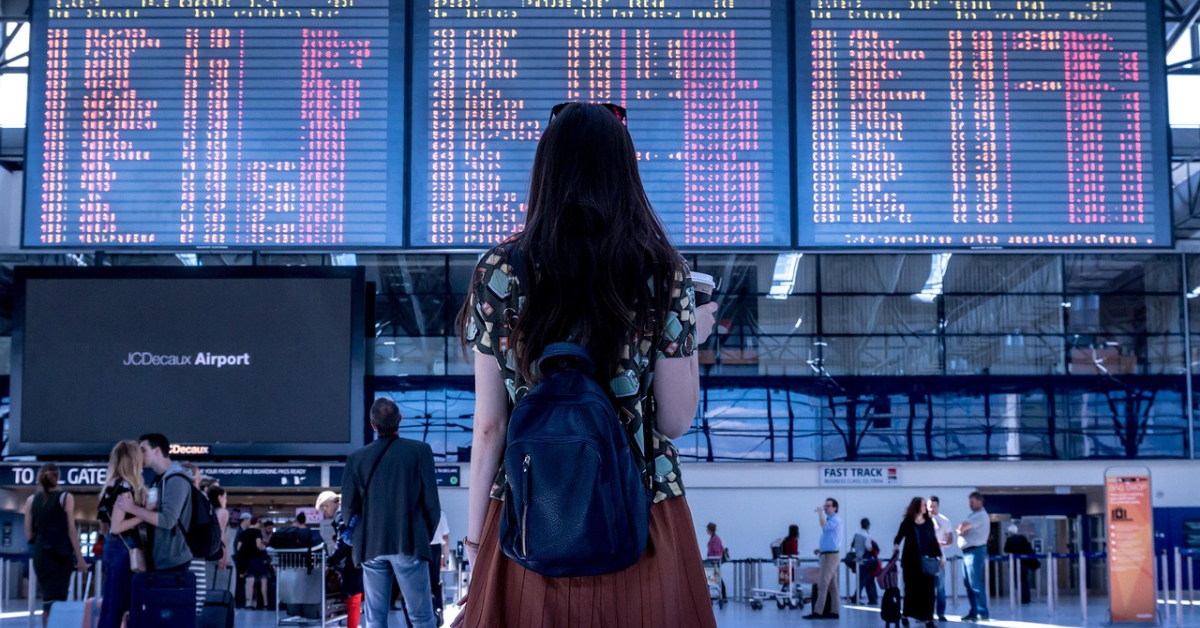
Studying abroad is an exciting opportunity that allows students to experience a new culture, meet people from around the world and practice independence. At the same time, moving to another country can feel overwhelming, especially when it involves paperwork, packing and adjusting to unfamiliar systems. Careful preparation helps students stay organized, avoid common problems and feel more confident as they get ready to live and study in a new place. Advance planning also reduces the risk of delays or disruptions that could affect enrollment, housing or travel schedules.
Planning Ahead for an International Move
Early planning makes all the difference and makes studying abroad far less stressful. Many important requirements, such as travel documents and housing arrangements, take time to complete. Creating a clear timeline helps students stay organized and avoid last-minute issues that can put a sudden stop to plans.
Key planning steps include:
- Confirming program start and end dates
- Reviewing housing arrangements
- Scheduling deadlines for documents and applications
- Allowing extra time for unexpected delays
Planning ahead also makes it easier to balance preparation with schoolwork and other commitments, rather than scrambling to complete paperwork, book travel or resolve housing questions close to departure.
Travel Documents and Entry Requirements
A valid passport is required for international travel and many countries also require student visas. Passports often must remain valid for several months beyond the planned return date, making early review and potential amendments essential. Visa requirements vary by country and may include proof of enrollment, financial records or even medical documentation. Missing or incomplete documents can delay entry or prevent travel altogether.
Important document reminders:
- Check passport expiration dates early
- Research visa requirements for the destination country
- Keep digital and printed copies of key documents
- Store documents in a secure, accessible location
Official government sources provide the most reliable information on entry requirements, especially when rules change or vary by nationality.
Health Preparation and Insurance Coverage
Health preparation is an important part of moving abroad. Students should ensure routine vaccinations are current and ask healthcare providers whether additional immunizations are recommended. International health insurance is also essential, as healthcare systems differ widely across countries. Without proper coverage, unexpected medical expenses can be difficult and costly to manage.
Helpful health preparation steps:
- Schedule medical and dental checkups
- Refill prescriptions and bring documentation
- Confirm health insurance coverage abroad
- Learn how to access medical care at the destination
Being prepared helps students respond calmly if health concerns arise and reduces the likelihood of interruptions to academic schedules.
Packing for Life Abroad
Packing for another country requires careful thought and lots of time. Airlines often restrict the number and size of bags per passenger, so reviewing policies before packing is important. Take suitable clothing for the local climate and ensure your choice of items respects cultural expectations, particularly in academic or professional settings.
Packing essentials often include:
- Important documents and travel papers
- Medications and basic first-aid items
- Weather-appropriate clothing
- Personal items that provide comfort
Packing efficiently makes travel easier and leaves room for items purchased abroad, while also reducing the stress of managing excess luggage during transit.
Housing Options for Students Abroad
Students studying abroad may live in university dormitories, shared apartments or with host families. Each option comes with different responsibilities and expectations. Understanding what is included helps students prepare appropriately and avoid confusion after arrival. Housing arrangements can also affect daily routines, budgeting and commute times.
Housing considerations to review:
- Furniture and utilities provided
- Internet and phone access
- Local housing rules and customs
- Commute distance to campus
Learning these details ahead of time supports a smoother transition and helps students settle more quickly into daily life.
Managing Money and Banking Overseas
Managing money in another country can feel challenging at first. Checking whether debit or credit cards will work internationally and what fees may apply helps avoid surprises. Notifying banks before traveling also reduces the risk of losing access to accounts while abroad. Financial preparation plays a key role in managing everyday expenses and emergencies.
Financial planning tips include:
- Creating a simple monthly budget
- Understanding currency exchange basics
- Tracking daily expenses
- Keeping emergency funds accessible
Planning ahead helps students manage money responsibly while abroad and avoid unnecessary financial stress during the program.
Staying Safe in a New Country
Safety awareness is important when living in an unfamiliar environment. Learning about local laws, emergency procedures and cultural norms helps students avoid risky situations and misunderstandings. Awareness and preparation often make a meaningful difference in how quickly students can respond to unexpected issues.
Basic safety habits include:
- Keeping copies of important documents
- Saving emergency contact numbers
- Staying aware of surroundings
- Following local laws and guidelines
Many educational programs also provide safety guidance for students overseas, including emergency procedures and local support resources.
Adjusting to Cultural Differences
Cultural adjustment takes time and early discomfort is common. Differences in communication styles, social customs and daily routines often require patience as students settle into their new environment. Understanding these differences ahead of time helps reduce frustration and confusion during the adjustment period.
Helpful ways to adapt include:
- Observing local behavior and customs
- Asking respectful questions
- Staying open-minded
- Participating in school or community activities
Building connections helps students feel more at home in a new environment. Over time, these connections often support both academic success and personal growth.
Preparing for Life Abroad
Studying abroad involves many moving parts, but steady preparation helps students navigate each stage with greater clarity and confidence. With planning, awareness and reliable information, students are better equipped to adapt, stay organized and make the most of their experience in a new country.
- International Travel Checklist for Students Studying Abroad
- Health and Vaccination Guidance for International Travel
- How Financial Aid Can Be Used for Study Abroad Programs
- Emergency Travel Alerts and Support for U.S. Students Abroad
- Student Visa Rules and Entry Requirements for Studying Abroad
- Official Guidance for Students Planning to Study in Canada
- Budgeting and Money Management Tips for Students Overseas
- Coping With Culture Shock While Studying Abroad
- International Packing Checklist for Students
- Residential Household Moving Services
- Official Advice for International Students Studying in the U.K.