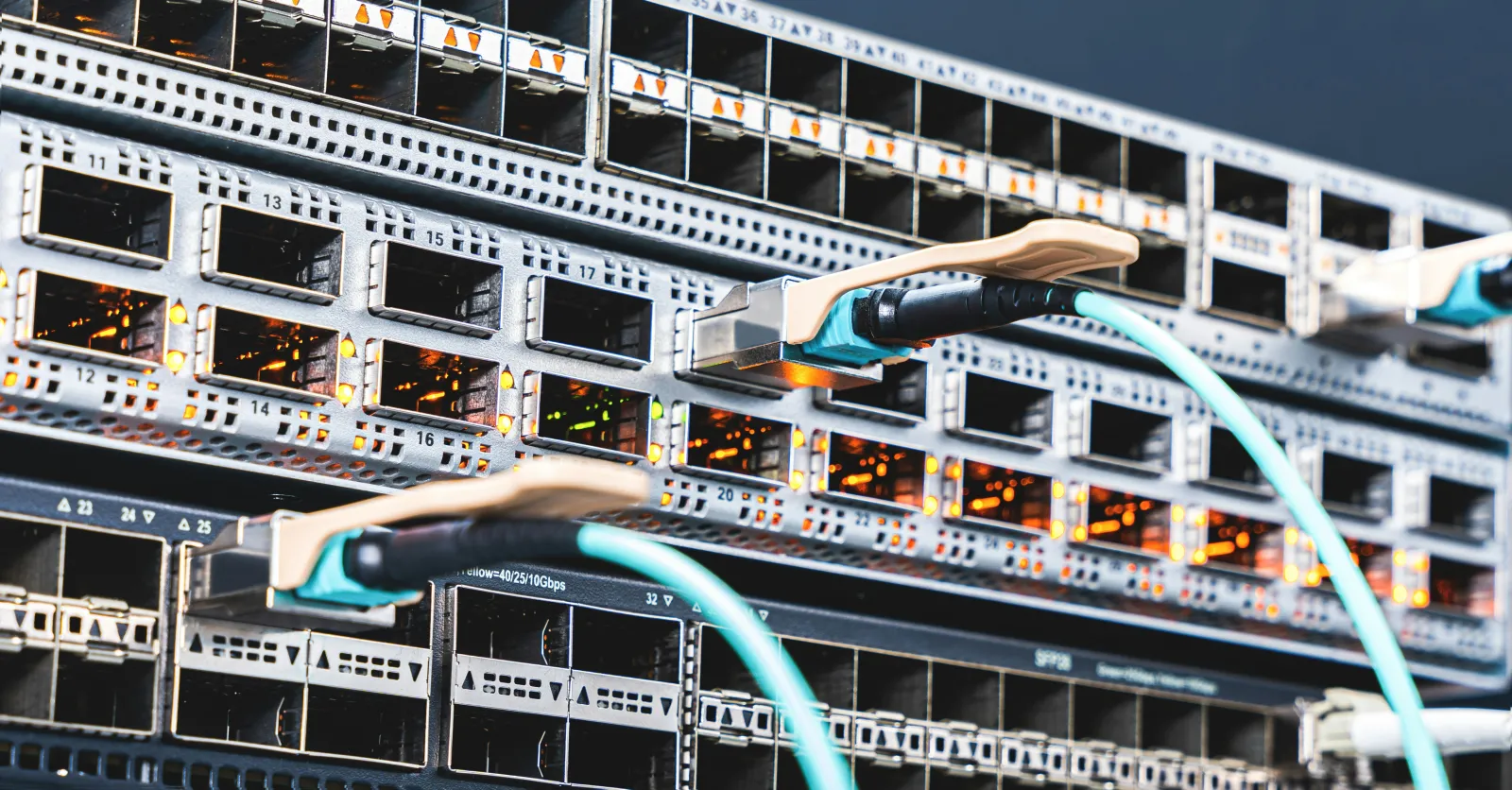
Beyond the Truck: What is Essential Data Center Relocation Equipment?
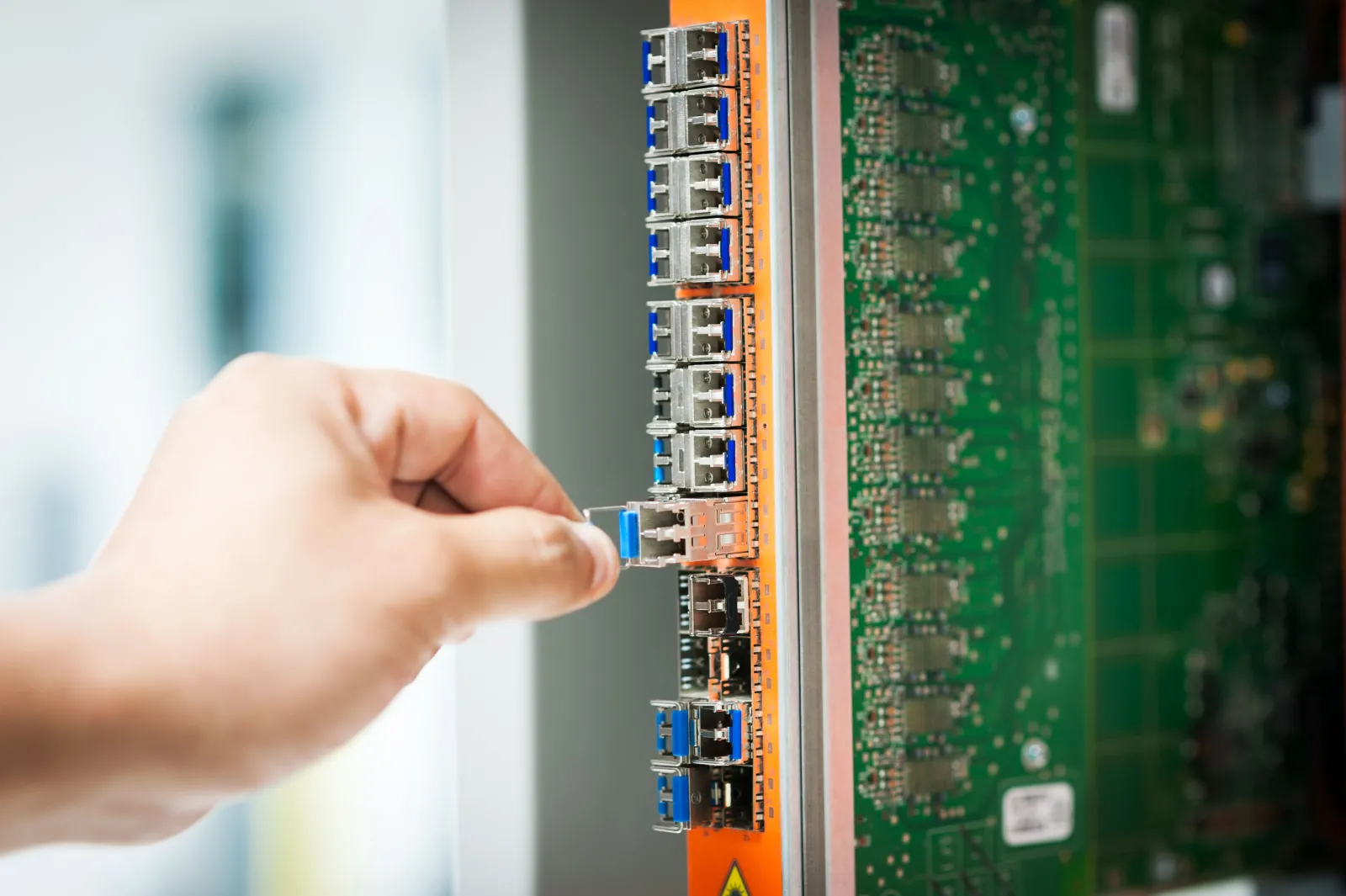
Moving mission-critical infrastructure requires specialized technical hardware to protect project schedules and infrastructure integrity. For project managers and IT infrastructure leads, the shift from a legacy facility to a new environment is a high-stakes transition where success is measured in uptime and hardware longevity.
This mission-critical process demands a strategic approach to data center relocation equipment. Whether you are moving single-node GPU clusters or managing high-volume inbound materials for hyperscale builds, the tools used to bridge the gap between sites determine the safety of your hardware. Prioritizing technologies and protocols helps maintain a pristine operational environment during your next relocation.
Key Takeaways
- Specialized lifting, rigging and protective handling tools help prevent physical damage to sensitive racks, servers and supporting infrastructure during transit
- Secure staging, serialized asset tracking and monitoring systems improve visibility across every phase of the move and reduce the risk of misplaced or delayed equipment
- Site preparation measures support safer delivery, smoother placement and faster installation at the destination
- Well-coordinated logistics, safety procedures and chain-of-custody controls help teams protect critical assets, support compliance and keep relocation projects on schedule
Specialized Handling and Rigging Equipment
The physical profile of modern data center hardware has evolved and the equipment used to move it must follow suit. Utilizing dedicated server relocation specialists and specialized lifts enables management of fully populated cabinets without compromising rack integrity.
As infrastructure grows more dense, specialized handling becomes a requirement for safety and precision:
- High-Density GPU Support: Specialized equipment stabilizes bottom-heavy AI server racks, addressing unique weight distribution and center-of-gravity challenges during transport
- Crane and Rigging Services: For complex on-site placement, deploying heavy-lift equipment ensures that infrastructure is positioned correctly, even when navigating raised floors or mezzanine levels
- Technical Lift Systems: Precision-controlled lifts prevent the jarring movements that can dislodge components or damage sensitive backplanes
By matching the tool to the specific hardware profile, you reduce the physical risk to the rack and ensure a smoother installation at the destination. These specialized mechanical aids transform a high-risk manual labor task into a controlled, repeatable engineering process.
Mission-Critical Transport Technology
Protecting sensitive IT assets during transit requires careful handling and full visibility. Professional services combine GPS-tracked transport, tilt/shock monitoring, climate-controlled storage, serialized asset tracking and white-glove handling to keep hardware secure and stable from warehouse to deployment. These transport technologies provide a verifiable layer of security that standard freight options cannot match, giving clients confidence that their infrastructure arrives in the same operational state in which it left the original rack.
Real-time audit trail for compliance:
- Tilt/Shock Monitoring and Reporting: Sensors generate real-time, auditable data confirming hardware remains within safe G-force and orientation thresholds
- Climate-Controlled Storage and Transit: Secure, temperature- and humidity-monitored environments protect sensitive equipment throughout warehousing and staging
- GPS-Tracked, Monitored Transport: Continuous location tracking ensures high-value infrastructure remains visible and secure throughout transit, as verified by server relocation specialists
Secure Warehousing and Staging Infrastructure
A successful deployment often begins weeks before the equipment arrives in the data hall. Dedicated prefabrication space enables off-site technical assembly and rack staging. This approach reduces jobsite congestion and allows IT leads to configure hardware in a controlled environment, away from the dust and chaos of an active construction site.
By unboxing and inspecting equipment in a dedicated facility, you can identify DOA (Dead on Arrival) components before they reach the data center floor, preventing costly delays in the final install window.
To maintain the readiness of these assets, the storage environment must be as secure as the data center itself:
- Secure, Restricted-Access Storage: 24-hour monitored security for indoor and outdoor staging ensures components remain safe from theft or unauthorized tampering
- Environmental Integrity Inspections: Conduct weekly audits of stored assets to ensure they remain deployment-ready and free of environmental degradation
- Scalable Staging Footprint: Having the room to spread out and organize equipment by row or pod simplifies the final delivery and install sequence
Leveraging a professional staging infrastructure effectively reduces the risk of the physical installation phase. It allows your technical teams to focus on configuration while server relocation specialists manage the heavy lifting and material flow in the background.
Asset Tracking and Security Tools
Visibility is the cornerstone of risk management. Using a Warehouse Management System (WMS) for serialized asset control allows you to manage every component with complete visibility. For your IT Infrastructure leads, the data is as important as the hardware. A robust tracking system provides a digital twin of the physical move, enabling real-time auditing of migration progress.
Chain-of-Custody with Seal Control
Using numbered, tamper-evident seals on transport vehicles prevents unauthorized access. Every seal change is documented and signed off by a server relocation specialist and a client representative.
Customizable Customer Portal
A direct window into the move process provides real-time access to receiving reports and inspection data. This transparency reduces the need for constant status meetings.
Digital Asset & Deployment Tracking
Serialized asset tracking and staged deployment plans ensure every piece of equipment arrives at the correct rack on schedule, eliminating the inefficiencies of uncoordinated moves.
These security tools create an unbreakable chain of custody that protects your investment from dock to dock.
Execution Tools for Site Readiness
A pristine operational environment is essential for hardware health and site readiness involves far more than simply clearing a path. It requires staging, kitting, sequencing and careful path planning to ensure equipment moves safely from the loading dock to its final rack location.
Pre-Site Surveys and Path Planning
Before moving any equipment, identify physical constraints such as elevator capacities, low-clearance door headers, narrow turns and other potential obstacles. Testing floor tiles for stability and mapping the route in advance ensures that fully loaded cabinets can be safely transported without risk to personnel, hardware or the facility.
Debris Removal and Site Cleanup
Post-installation cleanup is critical to maintaining operational integrity. Using specialized HEPA-filtered vacuums, anti-static cleaning tools and dust control measures prevents conductive debris from settling on sensitive components or clogging cooling systems, keeping the environment clean and ready for immediate operation.
Protection of Site Surfaces
Heavy equipment and server racks can easily damage floors and other surfaces. Employ protective measures such as Masonite sheets, high-impact plastic or temporary floor coverings to safeguard the facility during transport, preventing scratches, dents or sub-floor damage while equipment is in motion.
Labeling and Cable Sequencing
Efficient labeling and pre-sequenced cabling accelerate deployment and reduce errors. Pre-labeling ports, cables and racks according to the site map ensures a smooth “plug-and-play “installation, minimizes troubleshooting and helps teams maintain order during high-pressure relocation phases.
Safety, Compliance and Minimized Downtime
Successful relocations are powered by trained operational teams who understand the unique culture and hazards of a data center.
Compliance is not just about safety; it’s also about business continuity. Following documented Standard Operating Procedures (SOPs) ensures that the move meets the requirements of SOC2, HIPAA or other regulatory frameworks.
- Just-In-Time (JIT) Delivery: Equipment is moved only when the facility is ready, minimizing disruption during the transition
- Protocol Adherence: Following strict safety and security standards, including PPE and grounding straps, protects people and assets
- Collaborative Planning: Specialized partners work with IT teams to support phased migrations and maintain business continuity
- Incident Response Kits: On-hand crash carts and spill kits allow immediate management of unforeseen events without causing outages
These safety and compliance measures form the foundation of a risk-averse relocation strategy. They provide the necessary structure to manage complex logistics without compromising the integrity of the data center environment.
Protecting Your High-Speed Network
Successful data center relocation is defined by the equipment used to bridge the gap between the warehouse floor and the construction site. It is not merely about transport; it is about an integrated system of protection. By integrating tilt/shock monitoring, climate-controlled logistics and serialized tracking, server relocation specialists can ensure your mission-critical infrastructure remains protected at every step.
Strategic logistics management enables you to maintain project schedules while ensuring that the network’s integrity is the top priority for stakeholders. When the right tools meet the right expertise, the result is an invisible move to the end user and a foundation for long-term operational success.
Are you ready to plan your next mission-critical move with confidence? Explore Armstrong’s data center logistics today.