Hurricane Season in Houston: AI-Powered Disaster Recovery for Floods
Disaster relief organizations recognize their pivotal role in supporting communities during natural disasters such as hurricanes, tornadoes, and wildfires. Hurricane season in Houston, Texas, presents a unique set of challenges. The Atlantic hurricane season, officially lasting from June 1 to November 30, brings a heightened risk of major hurricanes and tropical storms, often leading to devastating floods in the area. The National Hurricane Center (NHC) at the National Oceanic and Atmospheric Administration (NOAA) closely monitors weather patterns in the Atlantic, Caribbean Sea, and Eastern Pacific Ocean, issuing forecasts and warnings to help communities prepare. While hurricanes can cause significant damage, their heavy rainfall is often the most catastrophic consequence, considering Houston's unique geography. The city's network of bayous, creeks, and low-lying areas makes it particularly susceptible to flooding during hurricane season. Analyzing the case of Houston, we'll explore how disaster relief organizations can utilize AI technology to prepare for and...
From Just in Time to Just in Case: The New Inventory Approach
For decades, industries have been perfecting “just-in-time” inventory management models, ordering products and materials on an as-needed basis to prevent unsold stock. On average, United States companies reduced their inventories by two percent every year from 1981 to 2000, according to a study in Management Science. By keeping inventories as lean as possible, businesses could reduce their warehousing presence and significantly cut costs. Then, COVID-19 upended the global supply chain, leaving corporations with massive stockouts, heightened consumer demand and no safety nets. Instead of waiting for the supply chain to straighten out, most companies are increasing their buffer inventories to minimize the effects of ongoing delays on their buying cycles. Nearly 60 percent of companies told McKinsey they had adopted new supply-chain risk management practices over the past year. The new approach is called the “just-in-case” model, a balance between the conventional just-in-time system and the panicked stockpile mentality. Here’s...
Retail Storage Solutions to Boost Your Bottom Line
Key Takeaways Retail storage solutions help retailers manage inventory more efficiently and reduce operational costs Outsourcing to a 3PL provides flexible storage capacity during seasonal or unexpected demand shifts Armstrong offers advanced security measures to protect inventory and reduce risk A national 3PL network helps minimize delays and improve fulfillment speed Partnering with Armstrong strengthens customer satisfaction and frees retailers to focus on growth Delays at factories, shipping yards and ports are contributing to rising prices and product shortages, forcing the retail industry to get creative to keep up with orders. Brick-and-mortar and e-commerce retailers have fought to maintain some semblance of normalcy in the supply chain by expanding their warehousing footprints. However, today’s tight industrial market makes building, buying and leasing new warehousing space expensive, inefficient and unproductive. Instead, retailers are increasingly turning to third-party logistics providers (3PL) to deliver short- and long-term storage solutions that reduce overhead costs...
Armstrong Commercial Services Opens New 116K-SF Warehouse at Port of Houston
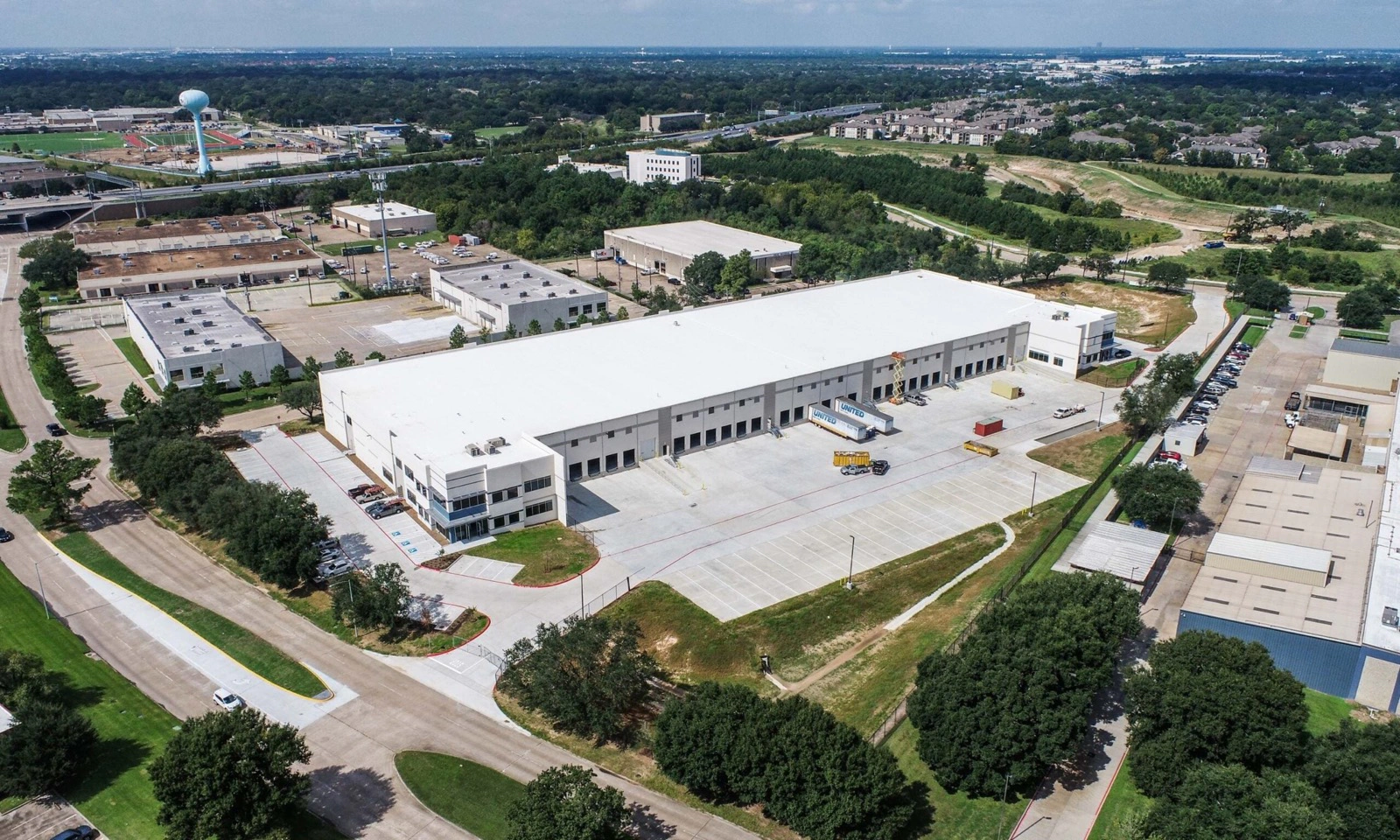
Houston, Texas — March 1, 2022 ― Armstrong Commercial Services has finished construction on a new 116,000 square-foot warehouse facility on Gulf Bank Road. The move grows the Memphis-based company’s Gulf-Coast presence by more than 25,000 square feet. As the largest asset-based provider of commercial services in the United States, Armstrong has experienced first-hand Houston’s rapid increase in industrial activity over the past decade. This expansion will allow Armstrong to minimize supply-chain disruptions for clients across the West and Midwest while investing in Houston’s future as a national transportation hub. The new facility is a designated pick-and-pack location, complete with: 150,000 square feet of racked space for pallets and loose assets 30 dock doors, two being drive-up 360-degree security with 40 cameras Driver lounge with restrooms and showers Sliding-gate entrance with code-operated, swing-gate exit State-of-the-art tracking technology for incoming and outgoing assets After the port’s record-breaking year in 2021, Houston...

4 Lessons Learned from Managing an Internal Relocation
For decades, Armstrong has been seamlessly moving companies to new locations across the city and the country. But Armstrong recently had the opportunity to experience a move from the perspective of a client. Driven by a growing client base and a changing supply chain, Armstrong – Houston began the process of transitioning into a larger facility that better meets customer needs. As Armstrong faced the unique opportunity to be its own client, the team was appreciative of the fresh perspective — one which makes continuous innovation possible — and reinforced commitment to easing the loads of partners. Here are four takeaways from navigating this relocation process internally. 1. While planning your move far in advance is ideal, sometimes your business has other plans. Though it is recommended that you prepare for your commercial relocations as soon as possible, growing businesses often have urgent needs and tight timelines. Armstrong – Houston...
Top 3 Industries That Depend on 3PL Services
Third-party logistics providers (3PL) drive growth in many of the country’s top industries. Companies turn to logistics partners when they are preparing to scale their operations. Instead of managing their new warehousing and fulfillment needs in-house, they outsource some or all of their logistics to a 3PL. A successful 3PL partnership gives companies teams of experts, networks of assets and decades of experience, all at their disposal. Though a wide range of businesses depends on 3PL services, outsourcing warehousing and logistics is increasingly necessary in three industries. 1. Manufacturing Downtime is deadly in the manufacturing industry. Without all of the necessary personnel and parts, the whole supply chain can quickly fall apart, causing detrimental losses in revenue and retention. Third-party partners keep production on schedule and budget by ensuring materials and product get from their points of origin to their final destinations. With nationwide footprints and expansive asset-networks, logistics providers...
Case Study: Armstrong’s 3PL Services Help Leasing Company Meet Rising Demand
As working arrangements became more flexible in the wake of COVID-19, so did apartment living. With the new freedom to clock into work from anywhere in the country, people wanted a way to experience new locations without being tied down by extended leases, fees or application processes. Landing provides a modern solution for this emerging lifestyle. With an annual subscription, Landing members gain access to a national network of fully-furnished apartments that they can rent in minutes without long-term commitments. During the pandemic, the demand for Landing’s model exploded. In May 2020, its new-member enrollment increased 210 percent month over month, according to Inman. In order to keep up with the rapid growth, Landing needed a third-party logistics provider (3PL) to help receive, store, deliver and install the furnishings for every booked apartment. Armstrong – Houston had the assets and expertise to help Landing successfully scale. Armstrong’s Role When a...
Why You Should Outsource Your Warehousing and Distribution
When COVID-19 struck, e-commerce sales exploded. As people switched from real to virtual shopping carts, companies of all sizes suddenly found themselves struggling to keep up with the new demand. The pandemic accelerated the growth of e-commerce by four to six years, according to an Adobe report. Even companies with already-established warehouses.had to pivot to accommodate the surge in online sales. Luckily, there’s a simple solution for companies that need to efficiently scale their operations. They can outsource their warehousing and distribution. An Armstrong & Associates report found that 90 percent of domestic Fortune 500 companies outsource part of their supply chain to third-party logistics providers. In Texas, industries ranging from apparel to health and more count on third-party partners to handle the logistics of their warehousing and distribution. Outsourcing your warehousing and distribution can be your secret weapon. Here are eight reasons why you should partner with a third-party...
Case Study: Battleship Relocation
The historic Battleship Texas was built in 1914 and was actively used during both World War I and World War II. It was decommissioned in 1948, having earned a total of five battle stars for service in World War II. The ship was then docked in Houston, Texas where it became a fixture for tourists to experience a piece of American history. As the last remaining battleship that participated in both World War I and World War II, preserving the integrity of such a significant ship remains an integral mission of the Texas Wildlife Department. The Texas Wildlife Department knew to call on the trusted relocation experts at The Armstrong Company – Houston for a job of this size and scale. Our Role Armstrong – Houston has a long history of helping local government entities with unique relocation jobs that require a custom approach. When the Texas Wildlife Department approached the...
Interested in joining the Armstrong family ?