How to Dispose of Construction Debris and Waste
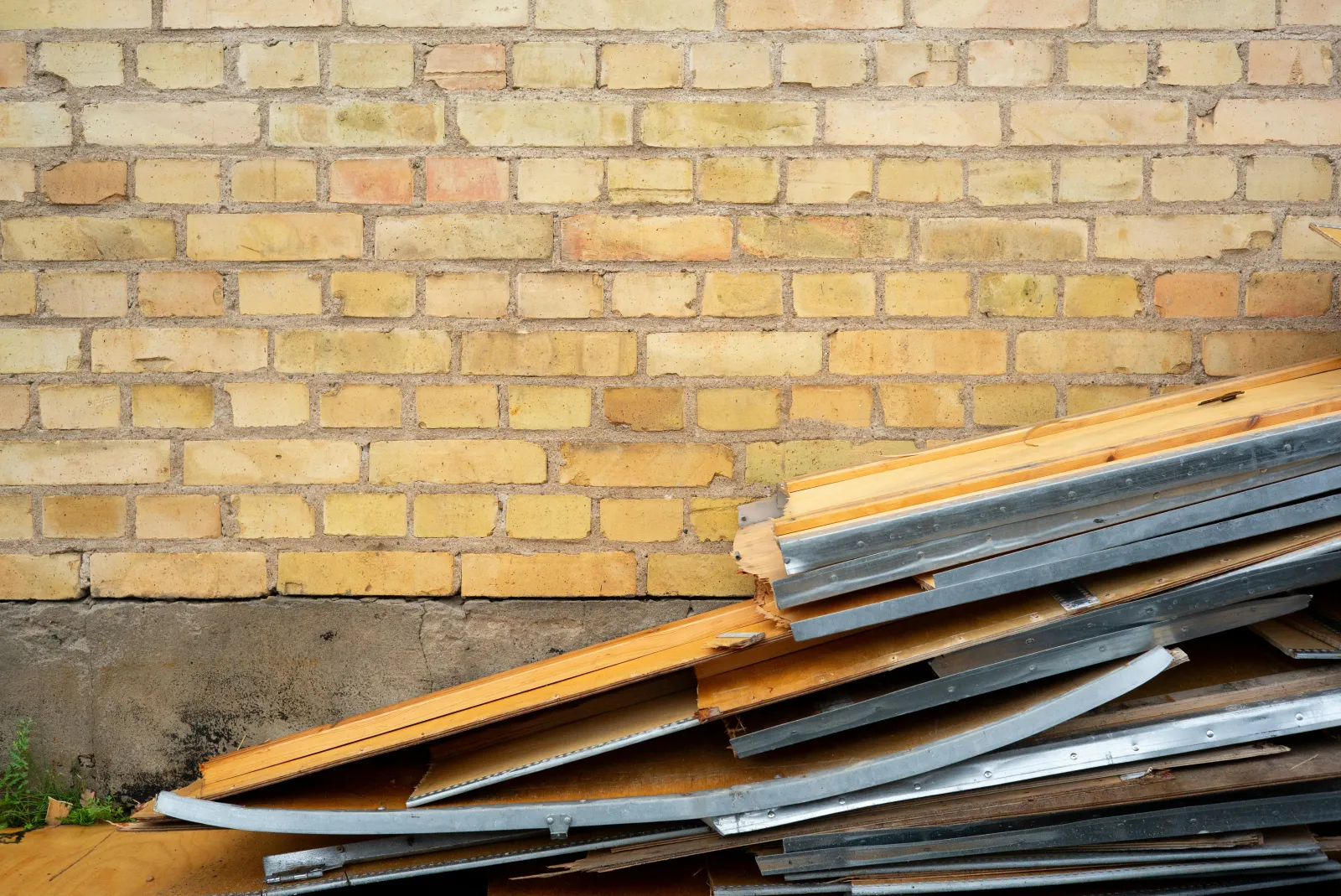
Renovating your office, industrial facility, or corporate headquarters is a necessary process to modernize your operations and better support your workforce. However, it also leaves you with piles of commercial waste and debris that require appropriate handling to meet strict environmental protection and legal compliance standards. Whether you are dealing with modular office carpeting, outdated industrial appliances or hazardous materials, having a clear plan ensures the job gets done safely and efficiently.
When planning a large-scale facility upgrade or office decommissioning, estimating project costs early in the process enables procurement teams and facility managers to accurately budget for debris removal and specialized relocation expenses. Best of all, partnering with a trusted logistics leader means you do not have to tackle this alone.
Armstrong manages every disposal method covered in this guide, from debris removal and e-waste services to in-kind donations, recycling, resale and liquidation, so your team coordinates one partner instead of five vendors.
Key takeaways
- Estimate your waste volume before starting your renovation to streamline the disposal process
- Separate recyclable materials like metals and untreated wood to minimize landfill impact
- Contact local authorities to understand specific hazardous waste rules and necessary permits
- Partner with relocation experts to minimize downtime and protect your assets during a move
- Divert usable furniture and equipment through donation, resale, or recycling instead of defaulting to the dumpster
- Liquidate assets that still hold value and apply the proceeds toward your project costs
Types of Renovation Waste and Disposal Tips
Different commercial renovation projects generate different types of waste and often each material requires a specific handling method. Understanding these categories is the first step in building an effective disposal strategy that keeps your job site clear and your project on schedule.
Partnering with a provider that offers comprehensive business moving services ensures that the sorting, transportation and eco-friendly disposal of old office furniture, heavy equipment and construction debris are handled without disrupting your daily operations.
Carpeting and flooring materials
Old commercial flooring can be tricky to discard. If your modular carpet tiles are still in good condition, they can often be donated or resold into the secondary market. Damaged carpets and vinyl flooring can be taken to specialized commercial drop-off centers for recycling. Timing matters more here than most teams expect, because carpet usually comes up at the end of a lease and pulling it exposes adhesive residue, subfloor damage and wall scuffs your landlord will hold you to.
Armstrong’s lease surrender services cover the touch-up, paint and patch work alongside the removal itself, so the space is handed back in the condition your lease requires, rather than coming back to you later as a restoration charge. Integrating these final touches with your broader strategy is essential and seeing how experts manage large-scale office relocations and facility decommissioning can help you plan a much smoother transition.
Appliances and White Goods
Large appliances like break room refrigerators, commercial dishwashers and industrial equipment have a significant environmental impact. Working units can be donated to organizations in need or resold to recoup part of their value.
Check with your utility provider about commercial rebate programs for retiring inefficient models. Scrap metal dealers will also often pay you for old appliances based on their weight. Anything with a circuit board, such as monitors, servers, printers and networking gear, should be routed through dedicated e-waste services rather than a scrap bin.
Construction debris
This broad category includes everything from drywall and concrete to scrap metal and roofing. You can often resell unused flooring and undamaged lumber. Renting a construction dumpster is usually the best approach for large volumes of mixed debris.
Lumber and scrap wood
Wood waste is frequently repurposed or recycled if handled correctly. If you are decluttering and decommissioning a workspace, separating usable pallets and crating wood from the junk pile makes the entire clearing process much easier. You can often find creative ways to reuse scrap wood and pallets rather than throwing them away. Keep in mind that treated wood cannot be burned or composted, so you must consult your local waste facility for safe commercial disposal instructions.
Local farms and gardening centers might accept untreated wood chips for mulch. Keep in mind that treated wood cannot be burned or composted, so you must consult your local waste facility for safe disposal instructions.
Handling Hazardous Waste Safely
Hazardous waste requires special attention to protect your health and the surrounding environment. Items like solvents, strippers and specific lubricants should never be thrown in the regular trash.
Identifying Hazardous Materials
Common hazardous materials found in home renovations include lead-based paint in homes built before 1978 and asbestos hidden in older insulation, floor tile and pipe wrapping. You might also encounter paint thinners, pesticides and fluorescent light bulbs. If you are unsure whether a material is hazardous, you should immediately consult a professional.
Proper Storage and Handling
Always keep hazardous liquids in their original containers. Store them in a cool and dry place away from occupied work areas, break rooms and HVAC intakes. Use appropriate protective gear, such as gloves and masks, when handling these materials. You should never mix different chemicals together as this can create dangerous reactions.
Disposal Options
Check with your municipal waste department for scheduled hazardous waste collection events. Many communities maintain permanent drop-off facilities for safe disposal. If you are managing a large corporate transition across multiple regions, access to reliable transport solutions with local knowledge ensures that hazardous materials are removed and disposed of in accordance with strict regional compliance standards.
Certain hardware stores may even accept specific hazardous items, such as batteries, for recycling.
Steps to Prepare For Debris Disposal
Planning ahead reduces stress and streamlines the entire cleanup process. A solid preparation strategy keeps your renovation site organized and compliant with local laws.
Assess Your Waste Volume
Estimate the types and amounts of waste you expect to generate before demolition begins. For companies undergoing major facility upgrades, coordinating waste removal with regular construction services ensures old furniture and debris are cleared without delaying your operational timeline. This helps you determine if you need to rent a dumpster or hire a specialized junk removal service.
On multi-floor and multi-site projects, Armstrong inventories what is leaving the building by category—donation, resale, recycling, e-waste and storage—and tracks each item, so you end up with a defensible record of where every asset ended up for budget reconciliation and sustainability reporting alike.
Identify Recyclable Materials
Take an inventory of your waste and research local recycling options. Separating items such as copper wiring and steel beams early on keeps valuable resources out of local landfills and can sometimes yield cost savings. Electronics belong in a category of their own, particularly in data centers, healthcare and financial facilities where documentation requirements apply.
Armstrong crews separate recyclables, e-waste and landfill-bound debris at the point of removal and route electronics through dedicated e-waste services, so you are not paying to unpick a mixed pile after it has already been hauled.
Research Local Regulations
Waste disposal rules vary significantly between municipalities. By leveraging the regional expertise across our locations, facility managers can rely on our teams to secure the necessary commercial permits for dumpsters and navigate complex local ordinances without slowing down the renovation.
Eco-friendly Disposal Methods
Sustainable disposal approaches benefit the environment and reduce your overall footprint. The goal is landfill avoidance: every item that gets reused, donated, recycled or resold is one that never reaches a tipping fee and one less line on your disposal invoice.
Recycling Construction Materials
Concrete and asphalt can frequently be crushed and reused in new projects. Drywall gypsum is easily recycled into new wall panels or used as a soil amendment. Nonferrous metals, such as copper, achieve higher recycling rates than ferrous metals.
Donating Usable Items
Many renovations involve removing fixtures that still have plenty of life left. Donate cabinets, sinks and doors to organizations that specialize in building material reuse. The same applies to what you are clearing out inside the space: an in-kind donation program can place usable workstations, seating and equipment with schools, nonprofits and community organizations that need them. This supports your local community and offers you a charitable tax deduction.
Liquidating Assets That Still Hold Value
Not everything you remove belongs in a donation pile. Conference room furniture, height-adjustable desks, specialty equipment and data center hardware often retain real resale value. Armstrong leverages a nationwide network of brokers and vendors to liquidate those assets on your behalf and the proceeds can be applied against your moving and decommissioning costs or paid directly back to you.
Legal Considerations For Debris Disposal
Properly disposing of your debris is a strict legal requirement. Following local laws helps you avoid costly fines and unexpected project delays.
Local Regulations and Permits
You will likely need a permit if you plan to place a dumpster on a public street or sidewalk. And bear in mind that certain municipalities restrict what can be thrown in your regular household trash. Always verify the rules with your city’s waste management office before tossing large items.
Environmental Compliance
Strict environmental laws govern the disposal of asbestos, chemical waste and e-waste. Dumping commercial construction debris in unauthorized areas is illegal and carries heavy penalties. Armstrong ensures your disposal methods align with all state and federal recycling and hazardous waste requirements.
Building a Sustainable Decommissioning Plan
Decommissioning is where sustainability commitments either hold up or quietly fall apart. Armstrong prioritizes sustainable decommissioning that redistributes corporate assets rather than discarding them, helping you reduce your environmental impact while supporting communities that need what your business no longer provides.
In practice, that means diverting unwanted and end-of-life furniture and equipment through in-kind donations, recycling, resale and comprehensive e-waste services, then liquidating whatever still holds value through a nationwide network of brokers and vendors. The savings show up in two places at once: proceeds that offset your project costs and volume that never reaches a landfill.
Ready to streamline your facility upgrade while maintaining strict environmental compliance? Get moving with Armstrong to build a sustainable, eco-friendly decommissioning plan tailored to your commercial needs.
Frequently Asked Questions
How do I Dispose of Old Appliances?
You can donate working appliances to local charities or resale stores. Broken units can be taken to scrap metal dealers or picked up by retailers when you purchase a replacement.
Can I Throw Construction Debris in the Regular Trash?
Most municipalities prohibit large amounts of construction debris from being included in standard household trash. You should rent a dumpster or take the materials directly to a local transfer station.
What is Considered Hazardous Construction Waste?
Hazardous waste includes asbestos, lead-based paint, chemical solvents and pesticides. These materials require specialized handling and must be taken to a designated drop-off center.
Resources to Learn More
Renovation and Demolition Waste
Center for Sustainable Materials Management
Habitat for Humanity ReStore Locations
Construction, Renovation and Demolition Waste
OSHA Asbestos Safety Standards
EPA Hazardous Waste Regulations
HSE Collecting waste and recyclables