Specialized Last-Mile Delivery Logistics Equipment
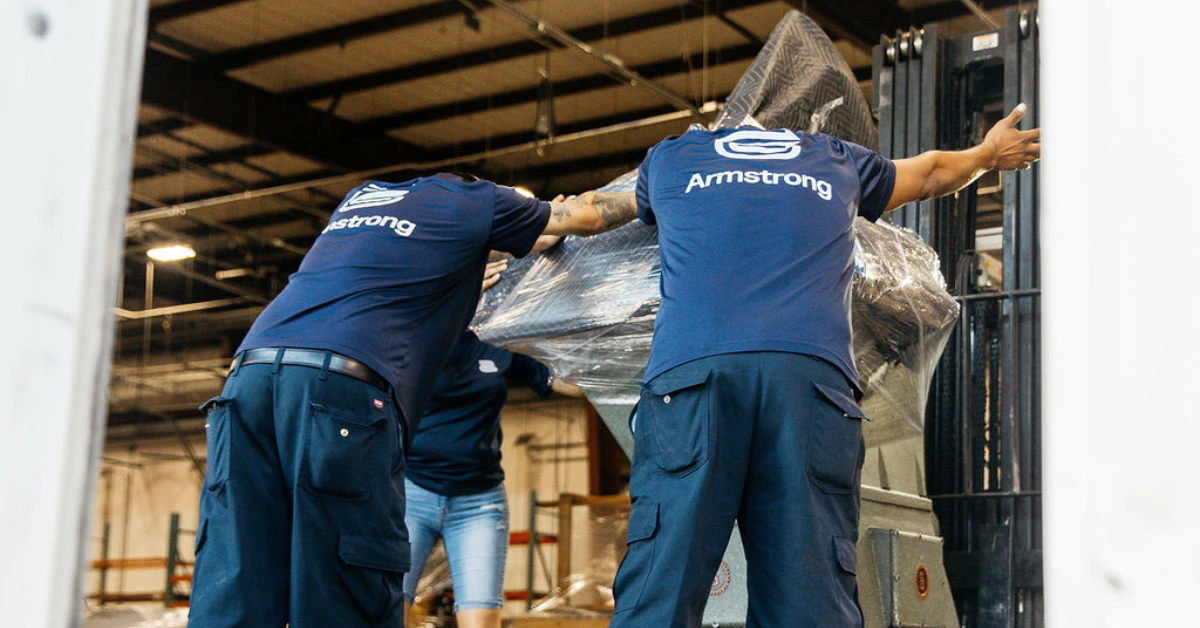
Commercial deliveries often go well beyond dropping off standard parcels. When your team moves high-value, heavy or sensitive assets—like MRI machines or AI server racks—standard handling methods can fall short.
For safety officers and warehouse operations leads, a zero-failure expectation means treating final-mile execution as a controlled operation rather than a routine delivery. The right approach protects crews, equipment and the customer site from preventable incidents.
That’s where specialized last-mile delivery logistics equipment becomes a critical risk-control layer. Purpose-built vehicles, precision movement tools and protective materials reduce injury exposure for handling teams while minimizing cargo damage and costly rework—especially when crews navigate tight access points, strict delivery windows and complex site conditions.
Understanding the core equipment categories behind commercial-grade final-mile delivery is essential for building a safer, more reliable delivery process—from liftgate trucks and specialized dollies to padding and crating tools that keep freight secure through the last few feet.
Key Takeaways
- Prioritize specialized last-mile delivery logistics equipment to protect heavy commercial assets and reduce site damage
- Match liftgate specifications and precision movement tools to site constraints to ensure safe handling
- Use environmental monitoring and advanced padding/crating to maintain visibility and protect product integrity
- Partner with final-mile logistics experts to standardize safety compliance and reduce operational downtime
The Backbone: Liftgate Trucks and Vehicle Specifications
Many commercial delivery locations—especially in dense urban areas—don’t have a traditional loading dock, so crews often need equipment that supports safe, at-grade unloading.
In these scenarios, the vehicle and liftgate setup plays a big role in how smoothly the delivery runs. Load weight and footprint, along with real-world site conditions such as curb height, street slope and whether teams move pallets or carts, all influence which liftgate type works best.
Common liftgate categories include rail-style systems, large-platform liftgates and tuck-under configurations designed for frequent stops and variable curb conditions. Inside the truck, securement systems and ride-stability features also help reduce shifting and limit vibration exposure for sensitive freight.
Precision Movement: Specialized Dollies and Rigging Tools
Moving heavy commercial assets through tight interiors calls for controlled handling—not brute force. Using the right precision-movement equipment helps crews navigate narrow doorways, thresholds and tight turns while reducing the risk of injury, property damage and delays.
Common commercial final-mile tools include appliance/machinery dollies, pneumatic-tired dollies and low-profile skates for controlled positioning in restricted spaces.
Safeguarding the Asset: Advanced Padding and Crating
Protecting the delivery site is just as important as preserving the freight and standard moving blankets rarely hold up in commercial environments.
Site Protection Tools That Prevent Damage
To reduce property damage during transit and final room-of-choice placement, equip crews with purpose-built protection such as:
- Floor runners to prevent scuffs and tracked-in debris
- Corner guards to protect walls and edges in tight turns
- Door-jamb protection to avoid chips and finish damage at entry points
When Custom Crating Becomes Essential
High-risk or high-value assets often need custom crating to manage conditions that standard packaging can’t handle. Crating helps:
- Reduce impact exposure during handling and transport
- Protect against stacking pressure in transit or staging
- Secure items during extended dwell time at a distribution center or hub
Because commercial shipments move through multiple touchpoints, proper crating also lowers handling risk across the broader supply chain.
Impact-Resistant Packaging For Sensitive Components
Impact-resistant packaging adds another layer of defense—especially for technology and fragile components. Engineered materials like honeycomb board, air-cell padding and foam blocking absorb shock and prevent abrasion during last-mile services.
Stabilize Loads With Block-And-Brace
To prevent internal movement, teams should use a block-and-brace method inside both the crate and the vehicle. This approach stabilizes irregular, top-heavy or high-value items, reduces shifting in transit and helps ensure the asset arrives in pristine condition.
Technology Integration: Telematics and IoT for Equipment
Visibility and maintenance discipline sit at the core of modern last-mile logistics. Telematics and diagnostic signals help operations leaders track liftgate usage, monitor vehicle health and schedule maintenance before failures interrupt routes. A proactive maintenance program reduces mid-route breakdowns, avoids avoidable delays and supports predictable cost control.
Digital visibility tools also tighten handoff accountability. RFID and barcode scanners support real-time, unit-level identification at the delivery site, reducing misloads, improving chain-of-custody clarity and speeding up exception resolution.
Some commercial deliveries also demand environmental verification. IoT sensors track temperature, humidity and shock events in real time. That documentation becomes especially valuable for sensitive lab equipment, medical supplies or food-adjacent shipments where conditions must remain within tolerance before final acceptance.
Safety, Compliance and Regulatory Standards
Equipment reduces risk—but a consistent process reduces risk even more. Strong programs pair the right tools with documented standards, routine checks and training discipline. High-performing teams typically prioritize:
PPE and Ergonomic Controls
High-visibility gear, protective footwear and task-appropriate gloves set a baseline. Pair PPE with clear role assignments and appropriate lift-assist choices to reduce strain, pinch-point exposure and preventable handling injuries.
Operational Safety Checklists
Routine weight and dimension verification ensures loads meet access requirements and comply with route restrictions. This prep reduces unsafe loading conditions and helps prevent delivery failures in congested urban zones.
Regulatory Alignment
Aligning standard operating procedures with DOT and FMCSA expectations reinforces securement standards, driver readiness and accurate documentation. Staying compliant protects your company from unnecessary regulatory risk.
Training and Qualification
Commercial final-mile success relies on trained execution. Hands-on training for liftgate operation, load securement and heavy-move coordination reduces incident risk and creates consistent performance across crews and job sites.
Why Choosing Expert Final-Mile Delivery Solutions Matters
Managing complex commercial deliveries in-house often exposes gaps in equipment, training or repeatable processes—gaps that put safety, product integrity and timelines at risk. Working with final-mile logistics experts closes those gaps and brings the operational discipline required for commercial-grade execution.
A capable partner helps reduce incident exposure, lower claims risk and support reliable readiness from day one. You also gain access to specialized tools, experienced crews and standardized procedures that protect the customer site while keeping deliveries on schedule.
Understanding core equipment categories—and applying them within a consistent, safety-first operating model—helps teams protect people, freight and facilities through the final handoff.
Discover how Armstrong’s supply chain solutions support high-value, high-risk deliveries with the specialized equipment and handling expertise your operation requires.