Scaling the Triangle: Rollout Logistics for Raleigh’s Lab and Tech Spaces
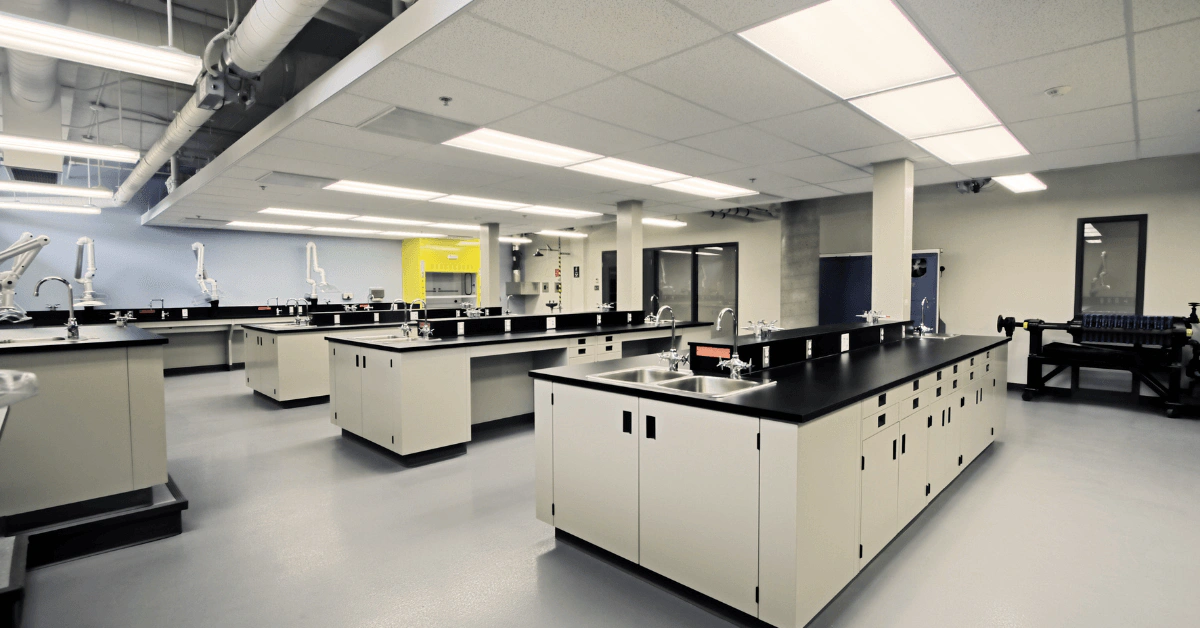
Raleigh and the Research Triangle Park (RTP) are scaling fast. New lab builds, biotech expansions and modern tech workspaces rise across RTP, Morrisville and Holly Springs, often on timelines that feel more like product launches than traditional construction. If you own the opening date, you already know the most challenging part is not purchasing equipment. It’s getting the right FF&E to the right room, in the proper condition, at the moment the site can receive and install it.
That’s the role of rollout logistics, and it goes far beyond final mile delivery. In a typical RTP project, you juggle multiple vendors, tight delivery windows and sensitive equipment while adapting to dock schedules, access rules and elevator bookings. Whether you’re leading life science operations, running a franchise rollout or scaling a tech workspace, you need execution that stays predictable and repeatable as you grow. That’s where supply chain consulting helps, by aligning vendors, timelines and delivery rules before the first shipment arrives.
Key Takeaways
- Rollout logistics in Raleigh and RTP coordinates FF&E delivery, staging and installation timing, not just transportation
- Kitting keeps every room or workstation consistent by bundling small parts that commonly slow down installs
- Sequenced delivery protects your schedule by sending items in the order your crews need to install them
- Unit-level tracking and exception management reduce surprises and keep projects moving
What FF&E Logistics Means for Lab and Tech Environments in Raleigh
FF&E stands for Furniture, Fixtures and Equipment, but in Raleigh lab and tech spaces, it goes beyond desks and chairs. You coordinate items that must arrive in the right order, stay protected and land in the right room so installation moves without interruptions, including:
- Lab benches and casework that must align with the installation flow
- Cleanroom-compatible or controlled-area storage components
- Specialty seating and ergonomic setups for high-utilization teams
- Modular workstations that require consistent setup across dozens or hundreds of stations
- AV and collaboration equipment that supports hybrid-ready spaces
- High-density tech equipment like racks or cabinets (when applicable) that requires careful handling and precise placement
In this environment, FF&E logistics differs from standard freight because “delivered” doesn’t mean “done.” You need staging and protection, appointment-based delivery, inside placement to specific rooms or zones and coordination with installation teams.
The right technology solutions also help you track items at the unit level and keep teams aligned from receiving through placement. If your rollout also includes relocating teams or existing assets, partner with a Raleigh logistics company that can coordinate relocation, FF&E delivery and installation on one integrated schedule.
Your goal is simple: deliver installation-ready FF&E so your teams move from receiving to buildout without losing time to damage, missing parts or a staging area that turns into a bottleneck.
Kitting for Speed and Consistency Across Teams and Rooms
Sequencing controls when items arrive and kitting ensures the right items come together.
Kitting bundles the small parts and hardware that turn a delivered item into an install-ready station or room. Instead of sending your team to hunt for mounting brackets, power strips or accessory packs—you receive them together, labeled and organized for a specific room, zone or workstation.
For lab and tech rollouts, kitting often includes:
- Mounting hardware and fasteners
- Power strips, cable management and adapters
- Accessories and add-ons vendors often ship separately
- Labels, signage or room-specific identifiers
- Small parts that cause big delays when they go missing
Kitting makes the most significant difference when you need:
- Standardization at Scale: Keep setups consistent across workstations or lab bays
- Fewer Missing-Part Delays: Group and verify small components before delivery
- Repeatable Rollout Rules: Apply the same kit standards wing by wing or location by location
Kitting turns a multi-vendor procurement process into a clean, repeatable installation experience.
Sequenced Delivery: The “Right Order, Right Time, Right Place” Model
Sequenced delivery sits at the core of rollout logistics and it’s where a strong final mile strategy shows up.
Sequencing means planning deliveries around the installation flow, not vendor shipping dates. A workable sequencing plan includes:
- Coordinating inbound shipments from multiple vendors into one clear timeline
- Timing deliveries to the build schedule and trade availability
- Sequencing loads so crews install efficiently, such as floor protection first, then heavy items, then finishing items
This approach matters in RTP-area job sites because delivery constraints are real. Loading docks stay tight, elevator windows fill up quickly and access rules change by build phase. In high-growth areas like Morrisville and Holly Springs, overlapping projects add congestion and stricter appointment windows.
When you sequence deliveries well, you avoid flooding the site with inventory that can’t be installed yet and keep crews moving rather than waiting for critical items that arrive out of order.
Visibility and Inventory Control
You don’t need more data. You need fewer surprises.
Visibility helps you confirm readiness, spot gaps early and keep every room or location aligned to the same launch standard. For your business, it also supports effective communication across vendors, site teams and installers, so decisions happen quickly and the rollout stays on track. Strong rollout visibility comes down to three outcomes.
Unit-Level Tracking Across the Lifecycle
At a minimum, track FF&E items from start to finish, including:
- Receiving and inspection
- Staging and storage
- Kitting and labeling
- Dispatch and scheduled delivery
- Inside placement and confirmation
Exception Handling Built Into the Process
No rollout runs perfectly. Shipments arrive short, backorders happen, cartons get damaged and vendors miss dates. What matters is whether your process flags issues early enough to protect the schedule and whether you have a clear plan to resolve them without stalling the site or disrupting downstream order fulfillment.
Proof of Delivery and Condition Documentation
For high-value assets, document what arrives, confirm the condition and record where items go. Track custody from receiving through inside placement with condition checks and documented handoffs to support accountability and closeout.
If you want your logistics partner to connect with existing systems, explore integrations as needed. The priority stays the same: reliable status and exception reporting that keeps your team moving.
Why a Raleigh-Based Hub Matters for Rollouts
Many providers can ship into North Carolina, but rollouts succeed or fail in the last 50 feet. The critical moments happen at the dock, in the elevator and in the exact room where installation takes place.
Choosing a logistics company in Raleigh, NC, that teams rely on for rollouts is not about geography for its own sake. It’s about operational advantage, exceptional project management and proactive communication that keeps every handoff controlled:
- Faster Response to Schedule Changes: Local staging and dispatch flexibility keep you moving
- Less Transit Complexity for Staged FF&E: Fewer handoffs reduce the risk of damage, misrouting or missed appointments
- Familiarity with RTP Delivery Patterns and Protocols: Local teams plan around site security, receiving rules and strict appointment windows
For rollout logistics, local providers mean fewer surprises, faster course correction and project oversight you can trust.
Rollout Playbook: A Repeatable Plan for Labs, Offices and Multi-Site Expansion
The strongest rollouts follow a repeatable process. Use this framework to scale from a single lab wing to multiple sites without losing control and give your project managers a clear playbook to run. A capable logistics company helps you execute each step consistently, especially when multiple vendors and tight site windows are involved.
1. Plan
Define scope and success metrics. Align vendors, delivery windows and installation sequencing rules. Set room and zone labeling standards and decide how kits will be built. Confirm site constraints early, including security check-in rules, dock scheduling, elevator bookings, floor protection requirements and controlled-area procedures when relevant.
2. Stage and Kit
Receive and inspect shipments. Use unit-level inventory management to track every item, then store FF&E securely in the right warehouse space until rooms are ready for installation. Build room-ready or station-ready kits by zone. Flag exceptions immediately, such as short shipments, damage or backorders, so they don’t become opening-week surprises.
3. Execute
Run sequenced delivery with strict appointment discipline. Deliver inside to the correct rooms or zones. Coordinate with installation teams so that what arrives today installs today or stages cleanly for the next step.
4. Close Out
Close out punch lists, confirm final placement, complete documentation and handle packaging or ensure debris removal. Provide a clean handoff so your team can focus on operations, not cleanup.
For franchise rollouts, this playbook keeps every location consistent. When each site receives the same kits, labeling rules and sequencing standards, you reduce variance and make it easier to hit launch dates across the region.
Build Faster Without Losing Control
Raleigh rollouts succeed when you manage FF&E like a program, not a series of deliveries. When you control staging, build kitting with intent and align sequencing to the installation flow, you gain speed without chaos.
With the right supply chain management approach, logistics experts support Triangle-area expansions through secure staging, repeatable kitting, sequenced delivery and controlled last-mile execution, so your rollout stays on schedule as you grow.
Ready to map your rollout plan? Discover Armstrong’s logistics services for your RTP expansion, especially if you need a staging, kitting and sequencing strategy that protects your opening timeline.
Frequently Asked Questions
1. What does a logistics service do?
A logistics service plans and manages how goods move from suppliers to your site, including receiving, distribution, scheduling, delivery and documentation. For rollouts, it often also covers warehousing, staging and inside placement so your team and your customers get a consistent, on-time result.
2. How is FF&E logistics different from standard freight?
Standard freight typically ends at delivery. FF&E logistics supports installation by coordinating appointment windows, staging, inside placement and protecting high-value items. The goal is to deliver in the correct order and condition so crews can install without delays.
3. Why does warehousing matter for Raleigh and RTP rollouts?
Projects rarely become install-ready all at once. Local warehousing provides a secure place to hold FF&E until each room or floor is ready, reducing job-site congestion and preventing damage from repeated handling.
4. What should you look for in a rollout logistics partner?
Look for expertise in multi-vendor coordination, controlled staging and kitting, appointment-based delivery and clear documentation. Strong partners also communicate proactively, manage exceptions early and support consistent outcomes across sites.