A Guide to Top Final-Mile Logistics Companies
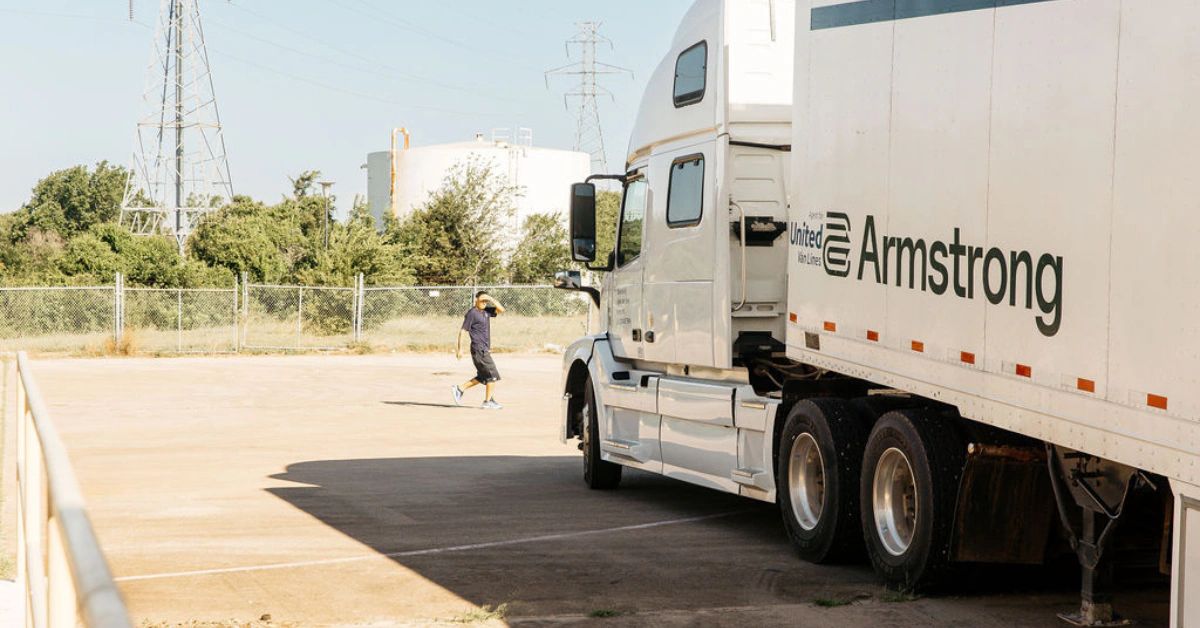
If you’re evaluating final-mile logistics companies, you need a partner who can protect the customer experience, meet tight delivery windows, resolve exceptions quickly and deliver high-touch services like inside delivery or installation—consistently, at scale and with reliable service.
That’s why comparison searches for last-mile delivery logistics solutions keep growing. Procurement teams and small business owners don’t just want names; they want clear criteria that separate marketing promises from real-world performance.
Key Takeaways
- Prioritize scalable capacity, white glove service and transparent, ethical practices
- Protect delivery operations by validating the delivery process upfront, including site readiness, exception management and POD with clear chain of custody
- Look for supply chain innovations that improve performance, such as route optimization for efficient delivery routes, dynamic scheduling and real-time tracking
- Use the checklist to confirm the provider can meet customer expectations and deliver reliable service across markets
What Is Final-Mile—and Why Does It Matter?
Final-mile logistics services are the last leg of the supply chain—moving products from a local facility or hub to the final commercial destination. When the final-mile breaks down, the impact is immediate: missed delivery windows, reattempts, rescheduling costs and avoidable claims.
What’s changed is the scope. Many commercial deliveries now require more than a curbside drop-off. Today’s final-mile often includes:
- Scheduled delivery windows
- Secure-site access and compliance protocols
- Inside placement (room-of-choice)
- Assembly or installation support
- Debris removal and packaging disposal
- Coordination with receiving teams or site contacts
In other words, the final-mile is where customer expectations meet execution—and where customer satisfaction can rise or fall in a single visit.
Why “High-Touch, Low-Maintenance” Is the New Standard
That’s the difference between a basic carrier and a proper final-mile delivery solution. Expert teams call it high-touch, low-maintenance: a disciplined delivery process that runs smoothly without constant oversight.
- For Procurement Teams: fewer escalations, fewer reattempts and cleaner documentation when issues do happen
- For Business Owners: a polished delivery experience for your customers without building an in-house logistics department
Choosing the Right 3PL: Evaluation Criteria That Predict Performance
When you’re comparing leaders in last-mile logistics, it helps to shift the question from “Who has trucks?” to “Who can run my delivery process consistently—with control and accountability?” These four criteria are strong indicators of long-term performance across delivery operations and customer-facing execution.
1. Scalability and Capacity: Look for Elastic Capacity
The final-mile comes with volume swings—seasonal surges, project rollouts and market expansions can strain providers quickly. Elastic capacity is the ability to absorb that demand without disrupting delivery operations or service quality.
Look for signals like:
- Multi-market coverage with consistent SOPs (not a patchwork of standards)
- The ability to flex crews, equipment and scheduling capacity
- Proven experience with multi-site deployments or national rollouts
- Contingency plans for overflow volume and tight delivery windows
A strong last-mile delivery logistics company should be able to show how it maintained reliable service during past surges.
2. White-Glove and Technical Capabilities: Go Beyond the Truck
If your deliveries require more than dock-to-dock transport, the final-mile becomes a technical service. The right capabilities keep deliveries smooth and projects moving, especially when you expect white glove service.
Prioritize providers that can support these final-mile logistics services:
- Inside delivery and room-of-choice placement
- Appointment scheduling and receiving coordination
- Assembly or installation (when applicable)
- Debris removal and packaging disposal
- Specialized handling or rigging for heavy or sensitive items
- FF&E (Furniture, Fixtures & Equipment) delivery and installation
In commercial environments—such as healthcare, corporate offices and retail stores—this is where many providers fall short. The best last-mile delivery logistics solutions make white-glove execution standard, not “special,” because it directly impacts customer satisfaction.
3. Ethical Practices and Transparency: Reduce Risk, Protect Your Brand
Final-mile is people-intensive and customer-facing, often within your customer’s four walls. That raises the stakes for screening, safety and accountability.
Look for documented practices around:
- Background checks and secure-site access protocols
- Safety training and incident reporting
- Claims handling with clear timelines
- Performance reporting tied to service expectations
- Transparent subcontractor oversight (when using subcontractors)
4. Single Point of Contact: Make Complexity Manageable
Final-mile solutions involve many moving parts: scheduling, access constraints, product sensitivity, receiving teams and exception handling. A dedicated Single Point of Contact (SPOC)—often a project manager—keeps coordination simple and prevents communication gaps.
A strong SPOC model includes:
- A consistent communication cadence
- Clear escalation paths
- Proactive issue identification
- Ownership of exceptions through resolution
This capability matters most for multi-site deliveries and high-value projects. You shouldn’t have to chase updates across multiple inboxes to get a straight answer.
Operational Risks and How Top Providers Prevent Them
Final-mile issues are rarely surprises—they’re usually planning gaps, visibility gaps or process gaps. Top experts, including Armstrong’s Commercial Moving and Logistics team, reduce risk by standardizing the delivery process and managing exceptions before they ripple into customer-facing failures.
Failed Deliveries: Causes and Recovery That Protect the Window
Failed deliveries typically stem from access constraints, inaccurate site details, missing documentation, delivery restrictions or site unpreparedness. High-performing providers reduce failures through:
- Proactive site verification (receiving hours, dock availability, elevator requirements, access rules)
- Clear delivery requirements communicated in advance
- Appointment confirmation workflows and reminders
- Real-time exception management when conditions change
When issues do occur, recovery should be fast and documented—so a disrupted delivery window doesn’t turn into a week of reschedules.
Cost Control: Routing, Fuel and Stop Efficiency
Final-mile costs climb when delivery routes are unrealistic and reattempts increase. Strong delivery operations focus on sequencing stops to protect on-time performance while reducing cost exposure.
Instead of tracking miles alone, measure:
- Cost per stop
- Stops per route
- Dwell time at each location
- First-attempt success rate
- Reattempt and reschedule rates
These metrics reveal whether a provider is building routes that work in the real world—or setting crews up for late arrivals and missed stops.
Risk, Compliance and Claims Prevention
When something goes wrong—damage, a missing item or a dispute—you need documentation that’s consistent and easy to access. Look for proof of delivery (POD) that includes:
- Timestamps
- Serial number capture when relevant
The goal is simple: reduce disputes and speed resolution with a clear chain of custody.
Technology: The Digital Backbone of Final-Mile Execution
Even great crews can’t compensate for weak systems. Many of today’s supply chain innovations are most evident in final-mile technology, keeping the delivery process organized as delivery routes, site requirements and delivery windows change.
Advanced Route Optimization
The best platforms don’t build delivery routes based solely on distance. They account for constraints like vehicle limitations, service time per stop, historical traffic patterns, site access rules and narrow windows—so routes stay stable even when conditions shift.
Dynamic Scheduling: From “Delivery Day” to “Delivery Window”
In commercial final-mile, scheduling supports both efficiency and customer expectations. Defined delivery windows improve predictability, while real-time slot visibility helps teams plan around an accurate estimated delivery date. When appropriate, self-service scheduling also supports more efficient routes and smoother repeat deliveries—an essential part of a strong last-mile delivery solution.
Real-Time Tracking and Communication
Visibility reduces noise across delivery operations. Push updates (SMS/email), live tracking and proactive exception alerts keep stakeholders aligned, confirm the estimated delivery date and surface issues early—before they escalate.
Workforce Readiness for Consistent White-Glove Results
White glove service only works when training is consistent. Workforce discipline is what keeps quality predictable across markets and protects the customer experience at the point of delivery.
SOPs and KPIs
Specialized deliveries require documented SOPs—especially in healthcare, retail fixtures and office FF&E. Tie those SOPs to KPIs so performance is measurable and continuously improved.
Driver and Crew as Brand Representatives
Final-mile is customer-facing. Crews should be trained for professional communication, careful handling and on-site etiquette—because they represent your brand in person.
Health and Safety
Safe execution depends on training and compliance for equipment use (lift gates, stair climbers, dollies), handling procedures and site protocols. This protects workers and freight, supports reliable service and helps keep projects on schedule.
Selection Checklist: Last-Mile Delivery Logistics Solutions
When you’re narrowing providers, use a checklist that maps directly to outcomes:
- Operational Fit: Do they support your requirements (inside delivery, assembly/installation, debris removal, secure-site access)?
- Technical Demo: Can they walk through real scenarios (scheduling, exceptions, route changes, POD)?
- References: Can they share relevant case studies (multi-site rollouts, time-sensitive installs, regulated environments)?
- Systems Integration: Can they integrate with your ERP/OMS/WMS—or provide clean reporting and data feeds?
- Vetting and Compliance: Are crews screened, trained and documented for customer-facing and secure environments?
Use the checklist to build your shortlist—then use the questions below to validate how each provider runs delivery operations day to day.
Move Beyond a Vendor to a True Final-Mile Partner
The best providers do more than move freight. They combine proven capabilities, strong technology, disciplined execution and ethical accountability to deliver reliable service, manage exceptions quickly and keep costs predictable.
If you’re evaluating last-mile delivery logistics solutions for commercial deliveries, installations or multi-site rollouts, Armstrong’s commercial moving and logistics team delivers white glove service, clear communication and scalable operational control.
Discover how Armstrong’s supply chain solutions can streamline your next final-mile project.