Full-Service vs. DIY: Choosing Overseas Shipping For Your Household Move
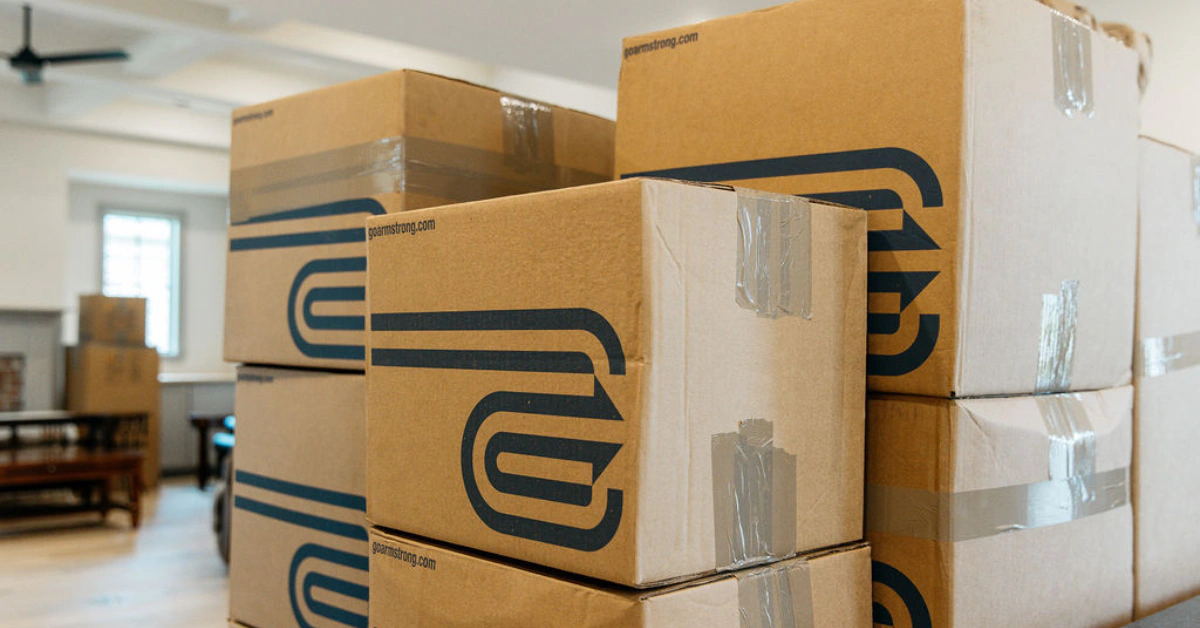
Shipping your household goods overseas is a major undertaking. Between paperwork, logistics coordination and ensuring your belongings stay safe in transit, the process can quickly feel overwhelming. One of the first—and most important—decisions you’ll face is whether to choose full-service overseas shipping or a DIY approach, where you handle the packing and use shared or full container space.
Both options will deliver your belongings to their destination, but they differ significantly in terms of cost, convenience, time commitment and risk. Understanding these differences helps you make a confident and informed decision, choosing the overseas shipping approach that best supports your household move.
Key Takeaways
- Full-service overseas shipping offers maximum convenience, with professionals handling packing, logistics, customs documentation and delivery
- DIY container shipping can reduce upfront costs, but requires significantly more time, labor and attention to detail
- Understanding the trade-offs between the two methods helps ensure your overseas household relocation is efficient, secure and stress-free
Understanding Your Overseas Shipping Options
When exploring overseas shipping services, you’ll typically encounter two main service models for moving household goods overseas:
Full-Service International Shipping
A professional moving company manages every step of your household move—including packing, transportation, customs documentation, delivery and often unpacking—providing a seamless, reliable experience for families and individuals who want complete support from start to finish.
DIY Container Shipping
You pack your own belongings and book space in a shared or full shipping container, commonly through LCL or FCL global shipping options. This approach gives you control over your own packages, but also requires closer attention to regulations, tariffs and taxes, which can vary by location.
What Full-Service Overseas Shipping Includes
A full-service international move minimizes stress and reduces your workload, with professional teams handling nearly every detail, including:
1. Professional Packing and Crating
Expert crews use high-quality materials and proven techniques to protect fragile, oversized and high-value items during long-distance transit.
2. Door-to-Door Pickup and Delivery
Your belongings are transported directly from your home to your new overseas address—no terminals, depots or self-loading required, ensuring a guaranteed streamlined experience.
3. Export/Import Documentation Support
International shipping services manage all customs paperwork, inventory lists, declarations and other required import documents for household goods.
4. Insurance and Liability Coverage
Full-value protection options safeguard your belongings from the moment packing begins until they’re delivered and set up.
What DIY Container Shipping Involves
A standard shipping container is a more hands-on and budget-friendly option, suited for those who are comfortable managing their own logistics. It typically includes:
1. Self-Packing Responsibilities
You purchase materials, pack your items and secure everything according to international shipping standards—similar to preparing boxes and furniture for a long-distance move.
2. Container Sharing Logistics (LCL)
If you don’t need a full container, your belongings may travel in an LCL (Less Than Container Load) shipment, which involves additional handling, consolidation and longer transit times.
Shared containers may exhibit cosmetic wear, including light surface rust, which is normal for equipment used in marine environments.
3. Documentation Responsibilities
All customs forms, packing lists and regulatory requirements are your responsibility.
4. Limited Service Coverage
Carriers handle transportation, but support for packing and in-home pickup is usually not included.
Cost Comparison: Full-Service vs. DIY Overseas Shipping
Cost is one of the first questions people ask when comparing overseas household shipping approaches. Each option includes different pricing components—some are obvious, while others are less so.
Full-service shipping costs may appear higher at first, but they often include bundled services that reduce hidden expenses and prevent damage-related losses. DIY shipping may look cheaper upfront, but costs rise quickly once you factor in packing supplies, container fees, insurance, customs charges and potential damage.
Full-Service Shipping Investment
A full-service overseas move typically includes:
- Professional packing and handling fees: Skilled labor and packing materials prevent damage and reduce claims during transit
- Door-to-door convenience: Every step—from packing to final delivery—is handled by a professional team, significantly reducing your time investment
The value comes from efficiency, safety and minimizing disruptions, especially for families or individuals moving on tight timelines.
DIY Container Shipping Expenses
DIY container shipping includes:
- Container or LCL space rental: Costs vary by destination, volume and season, with LCL offering lower rates but requiring more handling
- Self-packing materials: Boxes, tape, blankets, bubble wrap and crates can quickly add hundreds or even thousands of dollars
- Potential damage and replacement costs: Without professional packing, items are at a higher risk of damage and limited insurance may not fully cover the losses
Risk Assessment: What Could Go Wrong?
International shipping involves far more variables than domestic moves due to long transit distances, multiple touchpoints and complex customs inspections across different countries.
Whether you’re moving a few fragile items or an entire household, these risks can increase depending on your destination country and local import rules.
Some of the most common issues include:
- Damage from improper packing
- Delays caused by incomplete or inaccurate documentation
- Unexpected fees or taxes at the destination
- Miscommunication between carriers or service providers
How Professional Services Minimize Risk
Professional international movers reduce risk by offering:
- Expert packing techniques and materials: Fragile, antique, oversized or high-value pieces receive custom crating and specialized preparation
- Comprehensive documentation management: Specialists handle all customs documents and ensure your shipment meets the import requirements of your destination country
- Complete insurance coverage options: Clients have access to full-value protection rather than limited liability
Making the Right Choice for Your Situation
When deciding between DIY and international shipping services, consider the following factors:
- Your budget
- Your timeline
- Your risk tolerance
- How much of the process do you want to manage
- The value and volume of your belongings
Taking the time to evaluate these elements, along with the experience and reliability of any professional movers you’re considering, will help you choose the option that best aligns with your needs.
Full-Service vs. DIY Overseas Shipping Services: Side-by-Side Comparison
To help you quickly evaluate the differences between the two approaches, here is a clear comparison table summarizing the key factors:
| Feature | Full-Service Overseas Shipping | DIY Shipping Containers (LCL/FCL) |
| Packing | Professional packing and crating included | You purchase materials and pack everything yourself |
| Container Type | Typically, FCL (exclusive use), though it varies by shipment | LCL (shared container) or small FCL bookings |
| Documentation | All export/import paperwork handled for you | You complete customs forms, inventory lists and compliance documents |
| Insurance | Full-value protection available | Limited liability unless you purchase add-ons |
| Pickup & Delivery | Door-to-door service | Terminal-to-terminal or curbside fees apply |
| Risk Level | Very low due to expert packing + documentation | Higher risk (damage, customs delays, incorrect paperwork) |
| Time Required | Minimal—professionals handle the process | High—packing, scheduling, documentation, drop-offs, communication |
| Cost Predictability | Clear, bundled pricing with few surprises | Add-on fees are common (materials, depot fees, surcharges) |
| Transit Time | Faster, fewer handoffs | Often slower due to LCL consolidation and deconsolidation |
| Best For | Families, high-value goods, tight timelines | Budget-conscious movers with small shipments and flexible timelines |
Final Thoughts: Choosing the Overseas Shipping Path That Fits Your Household Move
Choosing the right overseas shipping method can significantly shape your household moving experience. While DIY container shipping may appear more budget-friendly on the surface, it requires you—as the owner and responsible party—to take full ownership of the planning, coordination, documentation and execution of your international move. Managing the many moving parts involved demands considerable time, attention and personal effort.
A full-service overseas move offers a far more streamlined and stress-free alternative. With professional packing, coordinated transportation and comprehensive customs support, experienced movers like Armstrong manage the complexity for you—allowing you to focus on your transition rather than the logistics that come with it.
When weighing your options, it’s essential to consider not only direct costs, but also the value of your time and energy. Factoring in these personal costs often makes the full-service approach the wiser choice for families and individuals relocating overseas.
If you’re preparing for an international household move, Armstrong is here to support you every step of the way. Get your free international shipping consultation today and start your relocation with confidence.
Frequently Asked Questions
1. How much does full-service international shipping cost?
Several factors, such as shipment size, destination, transportation method and service level, determine your pricing. Armstrong’s guide to international moving costs helps you estimate your potential expenses.
2. What are the risks of DIY overseas shipping?
DIY shippers may encounter issues such as damage from improper packing, customs delays due to incomplete documentation, limited insurance coverage and unexpected fees at the destination.
3. Do I need insurance for overseas shipping?
Yes. International shipments involve multiple transit stages, so securing comprehensive coverage helps protect your belongings from loss or damage.
4. How long does overseas shipping take?
Most overseas shipments arrive within 3–12 weeks, depending on the origin and destination, carrier schedules and whether the shipment travels LCL or FCL.
5. What items cannot be shipped overseas?
Common restrictions include hazardous materials, perishables, flammable goods, certain electronics and culturally sensitive or regulated items. Always check destination-specific import regulations.