How Smart Asset Tagging is Revolutionizing Warehouse Analytics
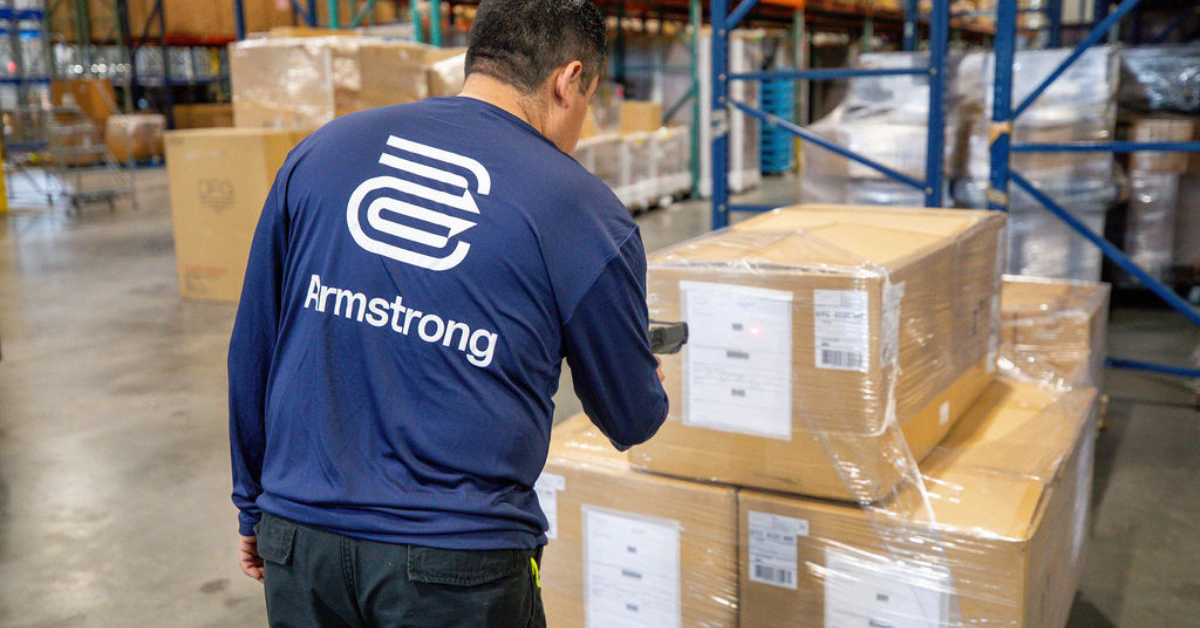
Warehousing has evolved far beyond clipboards, spreadsheets and manual tracking. Today’s facilities are intelligent ecosystems powered by data, automation and real-time visibility. At the center of this transformation is smart asset tagging, a technology that’s redefining how businesses track, manage and analyze their inventory and operations.
By enabling precise, real-time tracking through RFID, barcodes, QR codes and IoT sensors, warehouse teams gain instant insight into location data, asset condition and overall performance. Smart asset tagging isn’t just about adopting new tools—it’s about creating a connected, responsive and data-driven supply chain that enhances visibility and control across every operation.
From warehouse managers to logistics partners, everyone benefits from this shift. Smart tagging reduces errors, boosts efficiency and supports faster, more informed decision-making—turning warehouses into strategic hubs of intelligence rather than cost centers.
What is Smart Asset Tagging?
At its core, smart asset tagging involves attaching digital identifiers—such as barcodes, RFID tags or IoT-enabled sensors—to physical assets like pallets, forklifts or inventory. These tags automatically capture and transmit key data points, including location, movement, usage and condition.
Unlike traditional labels or manual tracking methods, smart tags provide a continuous stream of real-time information that integrates directly with warehouse management systems (WMS) or analytics platforms. These features enable managers to make informed decisions instantly, without relying on manual inputs or periodic inventory checks.
The result is a connected warehouse ecosystem where people, machines and systems operate in sync.
For example:
- A forklift equipped with an IoT sensor automatically updates its maintenance status when performance drops below a set threshold
- A pallet with an RFID tag can be located within seconds anywhere in the warehouse
- A barcode or QR code on incoming inventory instantly syncs with the WMS, updating stock levels and triggering reorders as needed
In essence, smart asset tagging transforms data into visibility—and visibility into control.
How Smart Asset Tagging is Transforming Warehouse Analytics
Smart asset tagging doesn’t just improve efficiency—it’s transforming smart warehousing and analytics by generating a steady stream of accurate, actionable data.. Here’s how it’s changing the game:
1. Real-Time Visibility
In traditional warehouses, tracking asset movement often required manual checks or suffered from delayed updates. With smart tags, managers can instantly locate any item, piece of equipment or shipment. This real-time visibility improves responsiveness, reduces search time and minimizes the risk of misplaced assets—a common challenge in large facilities.
2. Data Accuracy
Manual data entry is prone to human error. Smart tagging eliminates that uncertainty by automatically capturing and transmitting information. Whether verifying stock levels or tracking high-value items, accurate data ensures every decision is based on reliable insights, enhancing audit readiness and compliance confidence.
3. Operational Efficiency
When warehouse teams no longer need to scan or record data manually, they can focus on higher-value tasks. Smart tagging streamlines workflows, reduces downtime, optimizes storage and supports automated replenishment. In many facilities, the time saved translates directly into greater productivity and faster order fulfillment.
4. Cost Optimization
Better data enables smarter resource allocation. By tracking asset usage, condition and dwell time, organizations can maximize utilization, reduce waste and extend equipment lifespan. Lower maintenance costs and fewer lost or misplaced items directly boost profitability.
Collectively, these advancements create a more agile, data-driven warehouse—one that continuously adapts to demand, eliminates inefficiencies and enhances overall supply chain resilience.
Core Technologies Behind Smart Asset Tagging
Behind every smart tag lies a network of advanced technologies working together to capture, analyze and transmit data in real time.
RFID, BLE and IoT Sensors
Radio Frequency Identification (RFID), Bluetooth Low Energy (BLE) and IoT sensors form the backbone of modern asset tracking, each offering unique advantages depending on the environment and use case.
- RFID Tags use radio waves to automatically identify and track items without requiring direct line-of-sight scanning—unlike traditional barcodes. These capabilities make them ideal for fast-paced, high-volume warehouse operations
- BLE Devices are compact, energy-efficient transmitters that send continuous location updates, perfect for tracking mobile assets such as vehicles, pallets or tools
- IoT Sensors go beyond location tracking to monitor environmental factors like temperature, humidity, vibration and energy usage, enabling predictive maintenance and condition-based management
When connected through a Warehouse Management System (WMS), these technologies create seamless integration across operations. For example, when an RFID-enabled pallet reaches the loading dock, the WMS automatically updates inventory counts and verifies shipment details, eliminating the need for manual scanning and reducing human error.
The Role of IoT in Warehouse Management
The Internet of Things (IoT) transforms warehouses into intelligent ecosystems that can self-monitor and self-optimize. IoT-enabled devices continuously generate operational data that powers smarter, faster decisions through:
- Predictive Maintenance: Sensors detect performance anomalies early, alerting teams before breakdowns occur
- Route Optimization: Autonomous mobile robots and IoT tracking systems calculate the most efficient paths for retrieval and transport
- Energy Efficiency: Environmental sensors monitor air quality and energy use, helping managers optimize lighting, heating and cooling
Together, these innovations reduce labor costs, enhance safety and ensure that every square foot of warehouse space operates at maximum efficiency.
Digital Platforms and Data Analytics
Smart asset tagging is only as powerful as the systems that interpret its data. That’s where cloud-based platforms and advanced analytics come in.
Modern asset management platforms centralize data from multiple tracking devices, providing real-time dashboards, alerts and performance analytics that are accessible from anywhere. Managers can monitor key metrics, identify bottlenecks and make data-driven adjustments in real time.
By applying big data analytics and AI algorithms, organizations can uncover patterns such as recurring delays, underutilized assets or seasonal fluctuations. These insights drive better forecasting, optimized inventory management and stronger overall operational intelligence.
Benefits of Smarter Asset Management
The adoption of smart asset tagging, an integrated asset tracking system and advanced analytics delivers far-reaching benefits that go well beyond daily operational gains. Together, these technologies enable warehouses to become more intelligent, agile and strategically aligned with their long-term business goals.
Enhanced Efficiency
Automation reduces manual processes, minimizes human error and keeps workflows running smoothly. Teams spend less time searching for items or recording data and more time focusing on value-driven tasks like optimizing storage or fulfilling orders. This improved efficiency leads to faster cycle times and higher throughput.
Cost Savings
Accurate, real-time asset tracking eliminates overstocking, loss and unnecessary maintenance expenses. By understanding asset utilization and condition, managers can make data-informed decisions about when to repair, replace or retire equipment, thereby reducing waste and improving long-term cost control.
Better Decision-Making
With continuous access to high-quality data, warehouse leaders can analyze performance trends, forecast demand and optimize resources more effectively. This analytical insight enables proactive planning rather than reactive problem solving, improving responsiveness to market changes or seasonal surges.
Stronger Customer Relationships
Operational excellence extends beyond the warehouse floor. When fulfillment is faster and more accurate, customers experience fewer delays and greater transparency. Consistent performance builds trust and loyalty—turning reliable service into a competitive advantage.
Ultimately, smarter asset management transforms warehouse operations into a strategic function that directly supports growth, efficiency and customer satisfaction.
The Future of Warehouse Analytics: Powered by Smart Asset Tagging
The future of warehousing is intelligent, connected and data-driven—and smart asset tagging is at the center of that evolution. This technology enables organizations to move from reactive management to proactive optimization, leveraging real-time insights to enhance asset performance and make smarter decisions at every level.
As digital ecosystems continue to advance, we’ll see even tighter integration between IoT systems, AI-powered analytics and warehouse management platforms. Predictive insights will replace guesswork, automation will simplify complex workflows and decision-makers will gain a complete, 360-degree view of their operations — transforming how businesses navigate supply chain complexity through data-driven intelligence.
At Armstrong, we know digital transformation can be complex, but with the right strategy, it becomes a powerful opportunity for growth. Our team partners with businesses to deploy smart asset tracking solutions that enhance visibility, efficiency and scalability across their supply chains.
From RFID and IoT integration to warehouse analytics and automation, Armstrong helps organizations build a smart warehouse of the future—one that’s agile, intelligent and ready for what comes next.
Ready to elevate your warehouse operations? Discover how Armstrong’s supply chain solutions combine smart technology and hands-on expertise to deliver real efficiency, visibility and control across your logistics network.