Total Landed Cost: Key Components that Impact the Bottom Line of Your Supply Chain
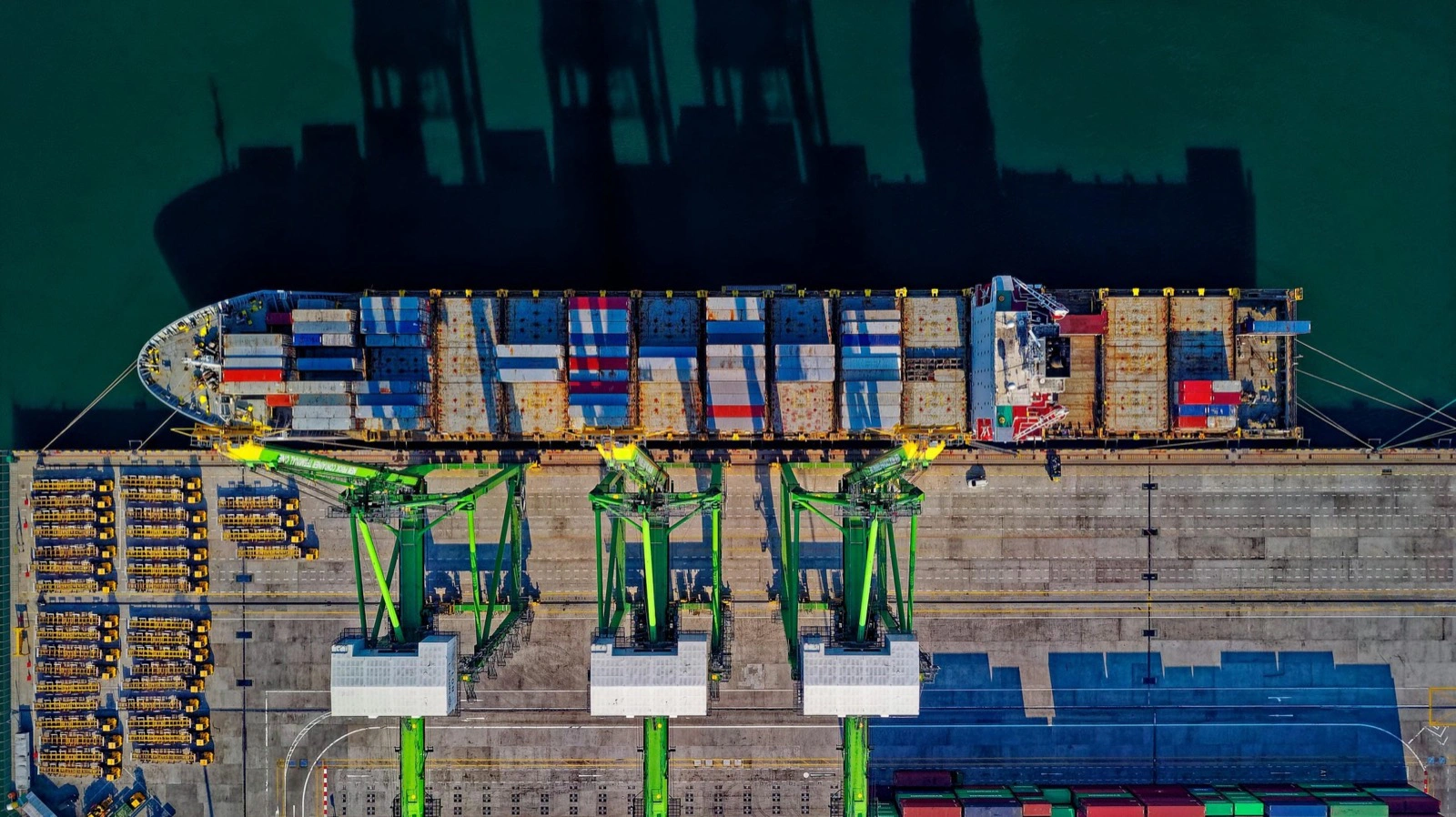
Supply chain logistics form the financial backbone of any business, overseeing the movement of goods from raw materials to final delivery. Yet many organizations underestimate the actual cost of getting a product into customers’ hands—and that’s where total landed cost (TLC) becomes essential.
Understanding TLC provides supply chain leaders with complete visibility into hidden expenses—such as transportation, duties, insurance and overhead—enabling more accurate pricing, confident forecasting, operational efficiency and stronger profitability across the entire supply chain network. Without a precise landed cost evaluation, businesses risk hidden costs, margin erosion and operational inefficiencies that directly affect the bottom line.
Key Takeaways
- Total landed cost defined: Understand what TLC is and why it’s essential for revealing your supply chain’s actual financial performance
- Key cost components: Identify major cost drivers, including freight, duties, insurance and overhead
- Profitability through evaluation: Learn how accurate TLC analysis strengthens forecasting, pricing strategy and overall profitability
What is Total Landed Cost (TLC)?
Total landed cost (TLC) represents the complete cost of a product from its point of origin to its final destination. It includes every expense incurred during procurement, production, shipping and delivery to provide a clear and comprehensive view of the true cost of bringing a product to market.
TLC provides a comprehensive view of costs, enabling businesses to move beyond the purchase price and understand their total investmentin serving customers.
A common landed cost formula used by supply chain and finance teams is:
TLC = Product Cost + Freight + Duties + Insurance + Customs + Handling + Overhead
While this formula may vary depending on industry and trade structure, the purpose remains the same: to capture all cost inputs that influence the final unit price.
Understanding TLC empowers businesses to make informed sourcing decisions, negotiate stronger supplier contracts and sustain profitability in competitive markets. It forms the foundation of practical supply chain cost analysis and remains an essential metric for finance, operations and procurement teams alike.
Why Evaluating Total Landed Cost is Critical for Supply Chain Profitability
For many organizations, profitability doesn’t decline due to poor sales, but rather because of hidden costs embedded within their supply chains. A total landed cost evaluation helps businesses gain transparency into managing investment costs, identifying where money is spent and uncovering where it may be lost.
Evaluating TLC helps your business to:
- Uncover hidden inefficiencies that erode margins and identify cost reduction opportunities across sourcing and logistics
- Use supply chain analytics to identify trends, measure cost drivers and support better decision-making
- Strengthen pricing strategies and negotiate better terms
- Make informed sourcing and distribution decisions based on total cost rather than purchase price
- Balance speed, service quality and profitability
- Improve forecasting accuracy and strengthen supply chain profitability metrics
A well-executed total landed cost calculation also ensures that every financial and logistical decision supports long-term business goals while driving meaningful cost savings beyond short-term gains.
Ultimately, TLC evaluation helps your organization:
- Support strategic pricing and cost analysis
- Strengthen supply chain profitability metrics
- Improve forecasting accuracy and resource allocation
By understanding every cost driver, businesses gain the clarity needed to maintain healthy margins, enhance efficiency and remain competitive in an increasingly complex global market.
Key Components of Total Landed Cost
A comprehensive total landed cost evaluation considers several interconnected components that together determine the true cost of delivering a product. Each factor directly influences pricing, delivery timelines and overall profitability.
- Product Cost: The base price of the item, including raw materials, manufacturing expenses and supplier markups
- Freight and Transportation: All shipping expenses across different modes—air, sea, rail or truck—along with handling fees, fuel surcharges and packaging
- Customs Duties and Tariffs: Government-imposed fees and taxes on cross-border shipments, which vary based on trade agreements, product classification and country of origin
- Insurance: Premiums paid to protect goods in transit against damage, theft or loss
- Warehousing and Handling: Expenses related to storage, inventory management, inventory costs, order fulfillment and loading or unloading activities
- Overhead and Administrative Costs: Internal expenses include labor, compliance checks, documentation and the use of management systems or logistics software
- Currency Exchange and Financial Fees: The impact of currency fluctuations and international transaction fees can alter the overall landed cost
Together, these components define your true landed cost per unit, revealing whether your supply chain operates at peak profitability or remains vulnerable to hidden losses.
Common Mistakes When Evaluating Total Landed Cost
Even experienced supply chain teams can make costly errors when they calculate landed cost. Overlooking or miscalculating just one factor can distort pricing, reduce profitability and create inefficiencies across the supply chain.
To ensure accuracy, avoid these common mistakes:
Ignoring indirect costs
Many businesses focus solely on direct expenses, such as freight or duties, while overlooking indirect costs, including administrative labor, storage and compliance fees.
Using outdated data
Freight rates, tariffs and exchange rates fluctuate frequently. Relying on old or inconsistent data can lead to inaccurate cost projections and poor financial decisions.
Failing to account for currency fluctuations
Exchange rate volatility can significantly impact landed costs, particularly for international operations that lack effective hedging strategies.
Overlooking Incoterms responsibilities
Misunderstanding trade terms can lead to unexpected expenses if buyers and sellers aren’t clear about who covers insurance, customs or shipping costs.
Relying solely on supplier quotes
Supplier estimates often exclude hidden or variable fees, such as destination taxes, local handling charges or surcharges.
Cost Management and Optimization Strategies
Effective total landed cost management focuses on optimizing expenses and driving cost reduction to enhance profitability and performance across the broader supply chain management process. By transforming cost data into actionable insights, businesses can make more informed decisions that improve efficiency and resilience.
Here are key strategies to improve cost management and optimization:
- Conduct regular supply chain cost analyses: Review and benchmark costs quarterly to identify inefficiencies, monitor trends and address challenges such as excess inventory that can lead to increased carrying and storage expenses
- Optimize freight operations: Consolidate shipments, plan efficient routes and negotiate carrier rates to reduce transportation costs without compromising service quality
- Leverage technology for visibility: Use landed cost calculators or logistics management software to monitor real-time expenses and predict cost fluctuations
- Collaborate with suppliers and logistics partners: Share data and forecasts to negotiate better rates, streamline processes and move toward end-to-end supply chain integration that improves visibility and efficiency
- Align forecasting with cost management: Apply predictive analytics to anticipate shifts in demand, fuel costs or tariffs and plan accordingly
International Shipping and Trade Considerations
For global supply chains, international shipping introduces a layer of complexity that can significantly impact the total landed cost. Understanding these variables, including currency exchange rates, is crucial for maintaining profitability and ensuring accurate cost evaluations.
Key factors to consider include:
1. Duties, tariffs and taxes
These government-imposed fees vary by product type, trade agreements and country of origin. Accurate classification under the Harmonized System (HS) codes is essential to avoid unexpected charges.
2. Exchange rate volatility
Currency fluctuations can quickly change import and export costs. Establishing a hedging strategy or using multi-currency contracts helps mitigate this risk.
3. Customs regulations and compliance
Incomplete documentation or errors in customs filings can cause delays, penalties and additional storage fees. Maintaining accurate and standardized paperwork ensures smoother border clearance and processing.
4. Shipping delays and risks
Port congestion, geopolitical events and weather disruptions can increase freight costs and lead to longer lead times. Building flexibility into logistics planning helps offset these risks.
5. Digital automation and trade management tools
Using software to automate customs documentation and compliance tracking improves accuracy and provides real-time visibility into international shipments.
By incorporating these considerations into total landed cost evaluation, companies can better manage risk, forecast costs and protect profit margins across global operations.
How Total Landed Cost Evaluation Improves Forecasting and Margins
Accurate total landed cost (TLC) data strengthens both financial forecasting and operational planning. When businesses understand their complete cost structure, they can make data-driven decisions that enhance efficiency and profitability.
With reliable TLC insights, companies can:
- Predictive modeling: Develop models that take into account variables such as fuel price fluctuations, seasonal freight variations and market volatility
- Proactive Pricing: Adjust pricing strategies in advance to protect margins during shifting operating conditions
- Performance Insights: Identify supplier or regional trends to support diversification and risk management
- Capital Optimization: Direct investments toward the most cost-effective sourcing, production and distribution channels
Why Mastering Total Landed Cost is Your Next Competitive Edge
Total landed cost (TLC) is more than an accounting figure—it’s a strategic framework that drives smarter decisions and sustainable growth.. Organizations that understand every cost component gain a significant advantage over those relying on incomplete or outdated data.
By analyzing each element of TLC, addressing inefficiencies and using data-driven insights, supply chain leaders can transform raw numbers into meaningful intelligence. The outcome is greater visibility, stronger margins and more predictable performance across the entire supply chain.
In a world defined by rising logistics costs, shifting trade policies and ongoing uncertainty, mastering total landed cost evaluation is essential to maintaining efficient supply chain management, reducing supply chain costs and protecting profitability.
To continue building a resilient, cost-efficient supply chain, explore Armstrong’s supply chain solutions and discover how better visibility leads to better performance.
Frequently Asked Questions About Total Landed Cost
1. What’s the difference between landed cost and total cost of ownership (TCO)?
Landed cost measures the total expense of delivering a product to its final destination, including all associated costs and fees. In contrast, the total cost of ownership (TCO) encompasses all lifecycle costs, including maintenance, operation and disposal. While TLC focuses on logistics and acquisition, TCO extends beyond delivery to capture long-term ownership expenses.
2. How do exchange rates impact landed cost evaluation?
Currency fluctuations can significantly influence landed cost by affecting both fixed and variable costs within the supply chain. When the local currency weakens against a supplier’s currency, import expenses rise, impacting overall profitability. To manage this risk, businesses often hedge against exchange rate fluctuations or enter into fixed-rate contracts to maintain pricing stability and protect their margins.
3. Are landed costs relevant for domestic supply chains?
Yes. Even within domestic operations, understanding landed cost helps identify key expenses such as transportation, warehousing and administrative overhead. Evaluating these costs ensures accurate pricing, better budgeting and improved supply chain efficiency.